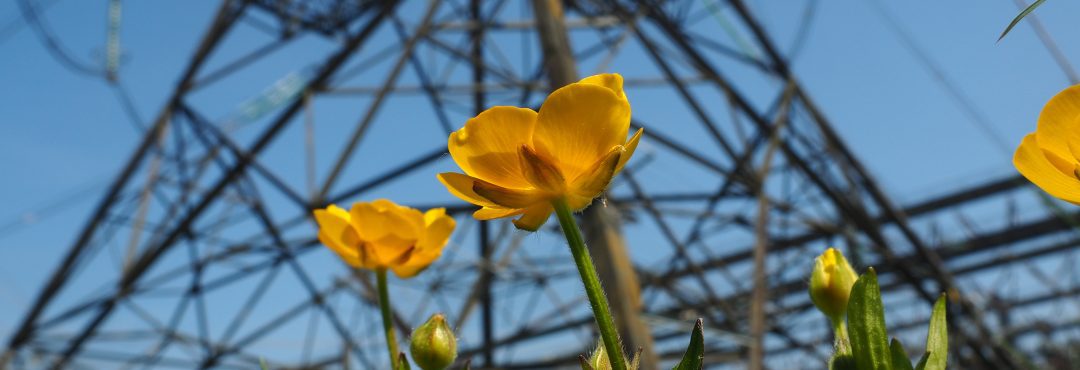
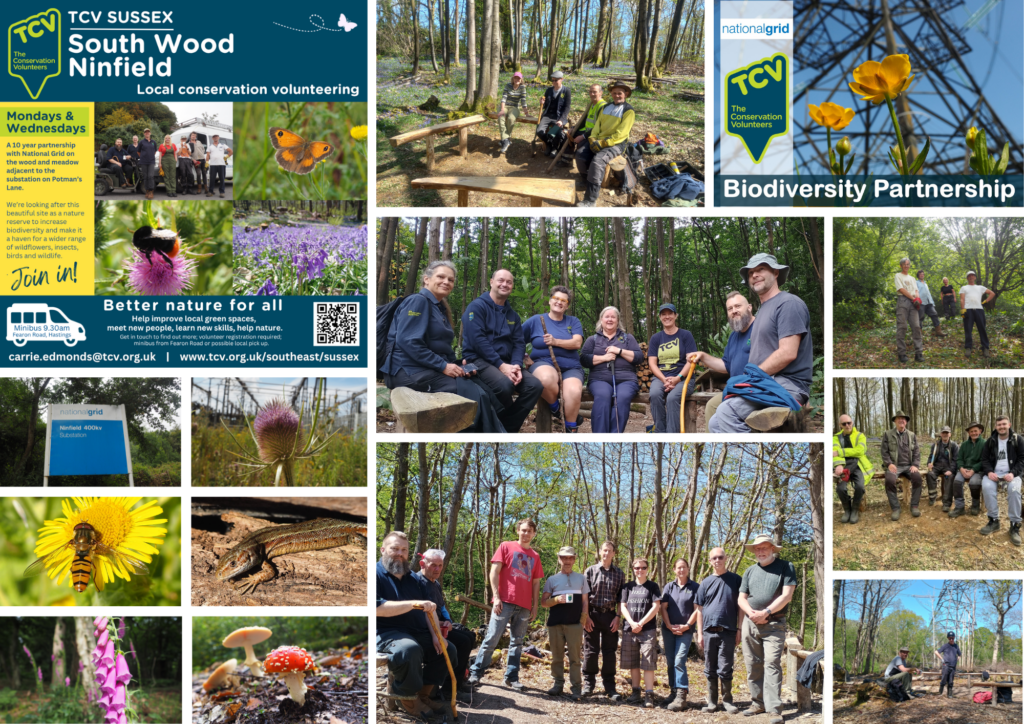
Biodiversity Partnership with National Grid
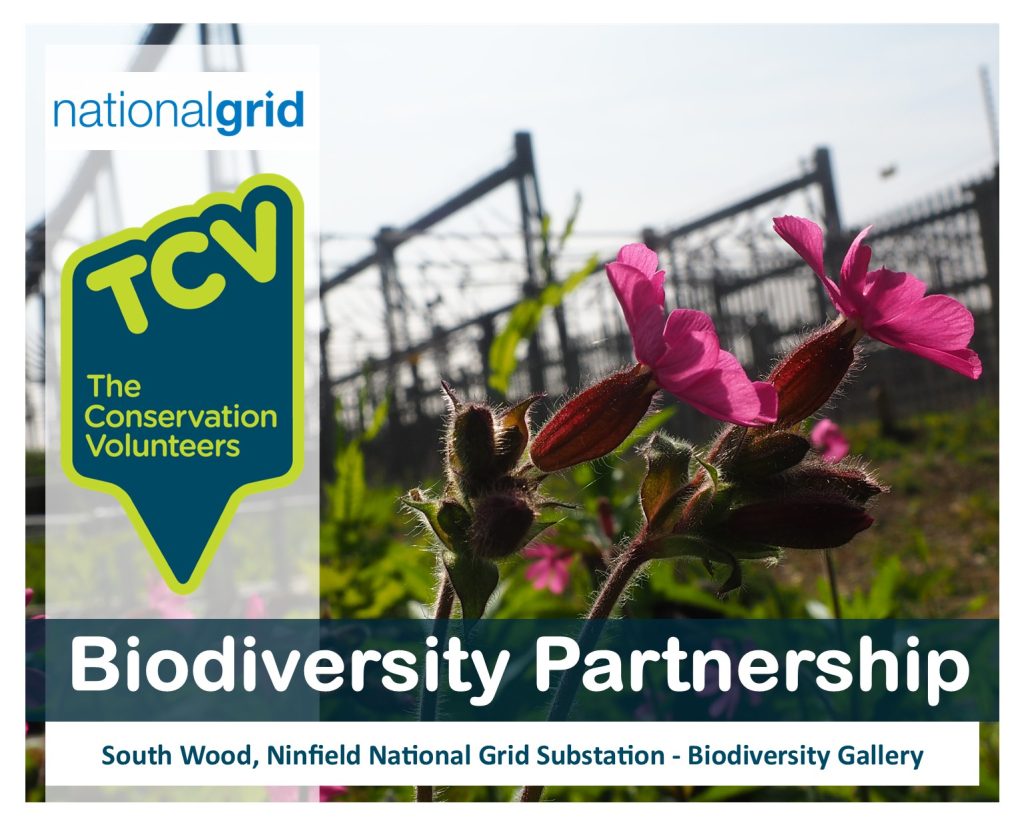
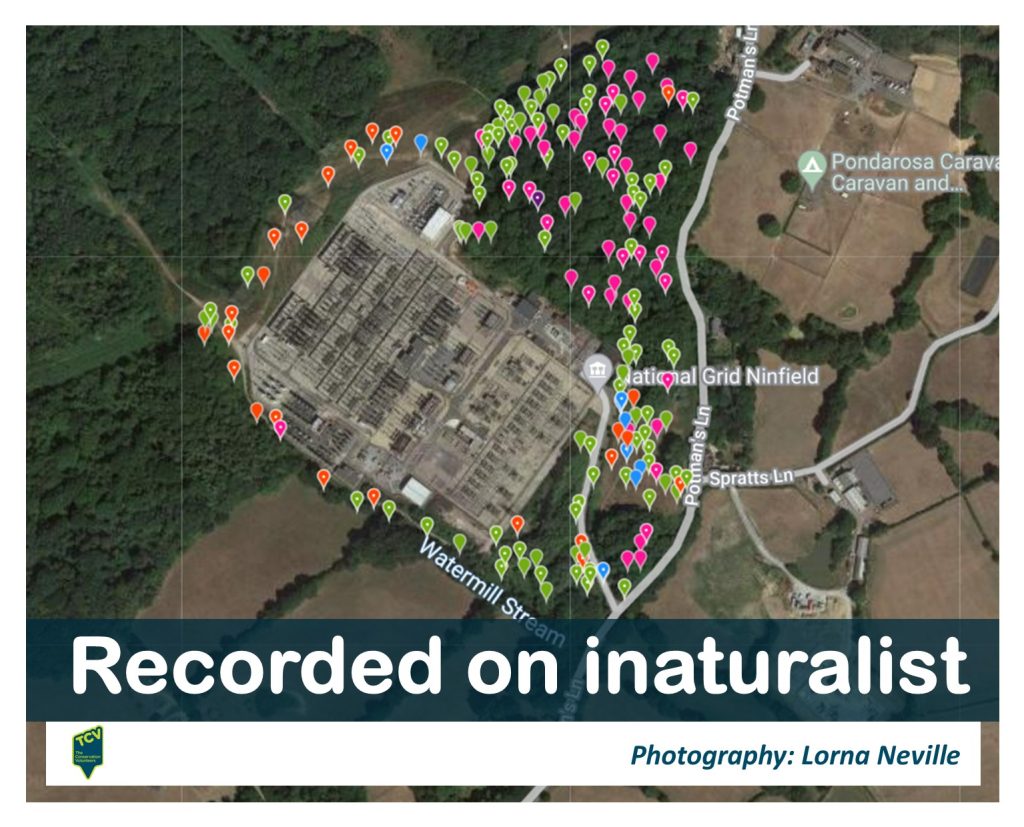
We are working with National Grid on a ten year lease to improve the biodiversity of the woodland and meadows adjacent to the Substation in Ninfield.
We have volunteering sessions here every week on Mondays and Wednesdays, 10am to 3pm. Minibus pick up from our office on Fearon Road at 9.30am or meet on site. Booking required – please contact lorna.neville@tcv.org.uk / 07740 899559 or carrie.edmonds@tcv.org.uk / 07764 655609
_______________________
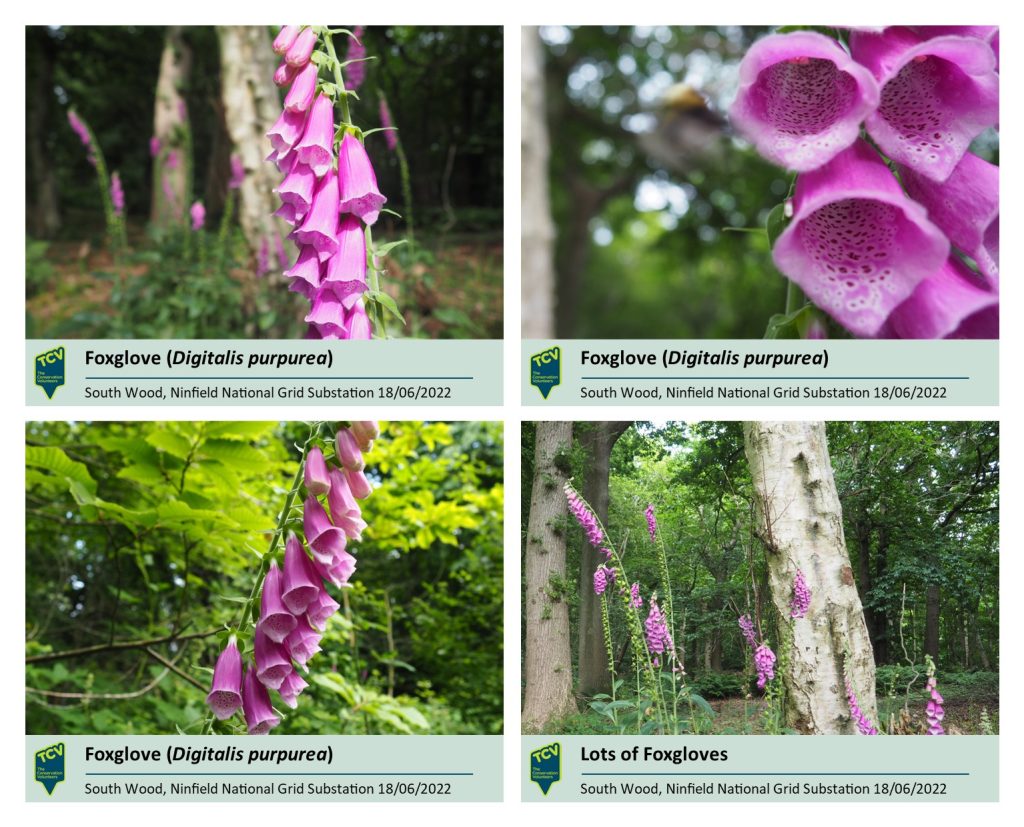
A foxglove revival: the power of conservation coppicing
Click here to read about the astonishing foxglove revival in South Wood in June 2026.
_______________________
Nature Notes
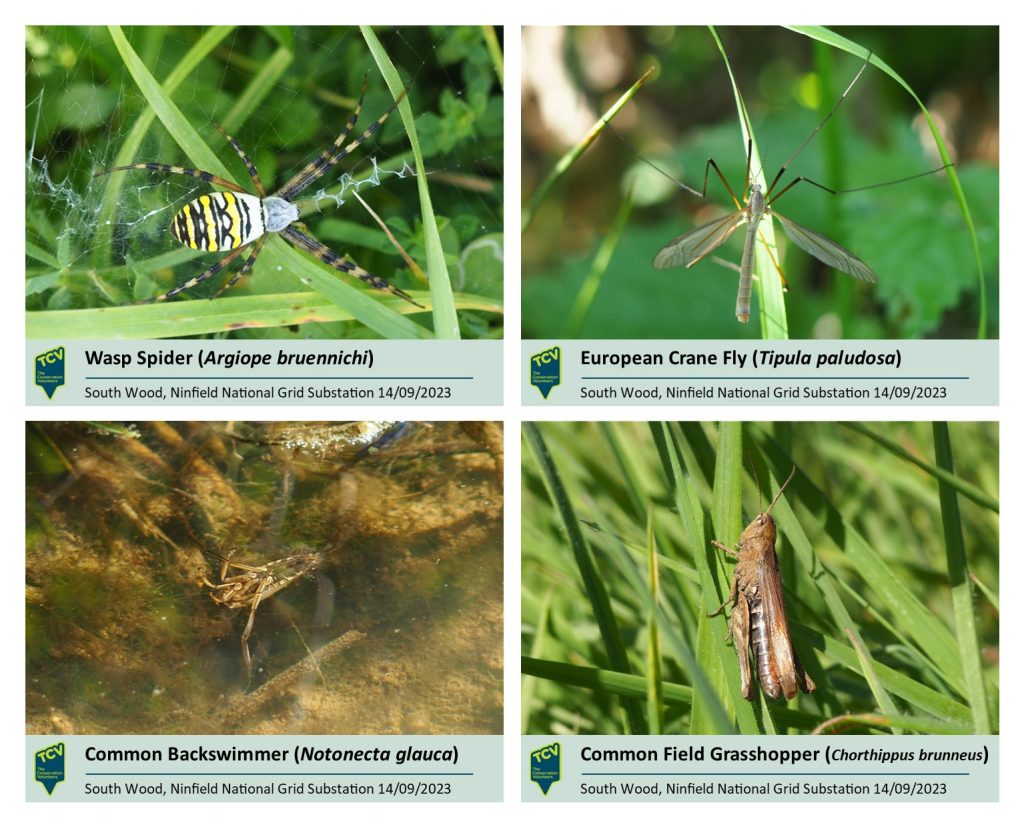
Wasp Spider (Argiope bruennichi) – 20/07/2026 South Wood meadow, Potman’s Lane, Ninfield
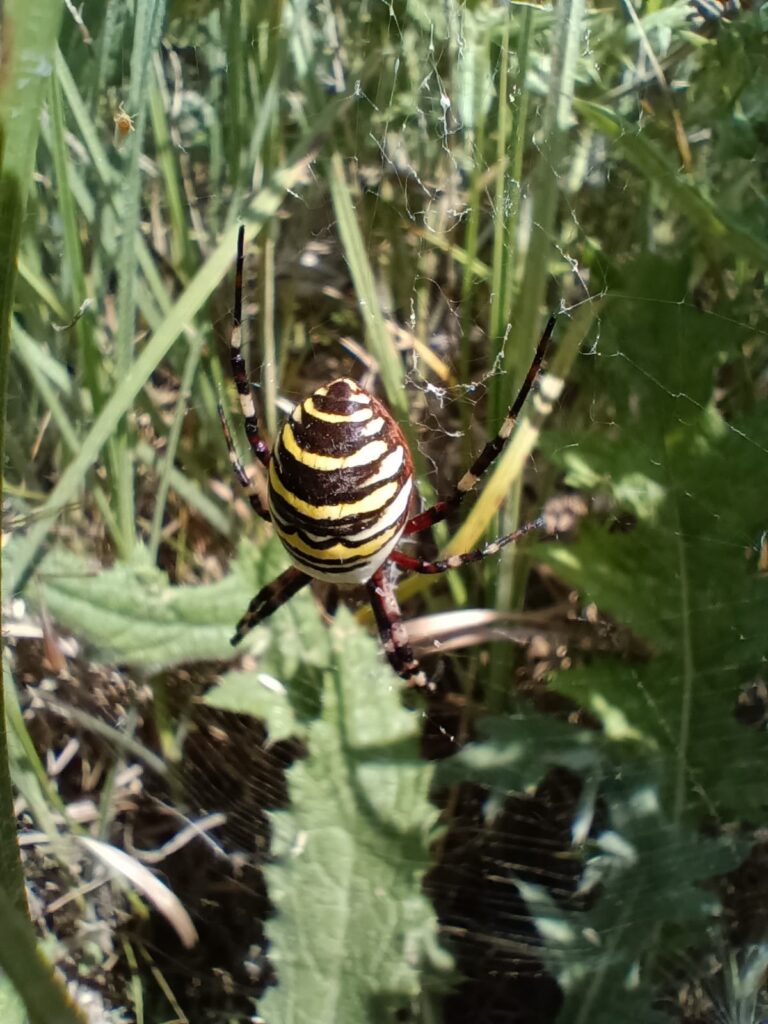
This vivid and somewhat alarming looking spider was first recorded in the UK in Rye in 1922, having made its way up from the Mediterranean. There was a big increase in sightings about 20 years ago, likely to do with warmer weather shifting upwards, and by now, it is common in the south of England. It’s rapidly spreading north, perhaps even more quickly as climate conditions develop.
Its bright yellow and black stripes are unlike any other UK spider and they are obviously what gives it its name. However, it is harmless to humans, it won’t bite or sting you, these dramatic colours are designed to ward off predators by making them fear a wasp sting.
The wasp spider is an orb-weaving spider, one of the ones that create large wheel shaped webs. A distinctive sign of a wasp spider’s web is a zigzag pattern which enhances its insect trapping success rate. The sharp silk corners reflect light and reduce the web’s visibility so more prey is caught.
This means the wasp spider’s two most standout features perform defence and attack in the foodchain – the stripes to stop it being eaten, the zigzag web to help it eat.
The first part of its scientific name “Argiope bruennichi” comes from the Latin for silver (argentum) for the spiders with silvery hairs that create a metallic hue. The second part is in tribute to renowned Danish naturalist Morten Thrane Brünnich (1737-1827) who studied birds and insects and set up a natural history museum at Copenhagen University. Both meaningful namesakes, but honestly, “wasp spider” is so much more on point!
So next time you are wandering along a path with longish grass to the sides, keep an eye out for black and yellow stripes on the wrong creature or a large zigzaggy web glistening in the sun. Truly eye-catching, but nothing to be afraid of!
Common cow-wheat (Melampyrum pratense) – 28/06/2026 South Wood, Potman’s Lane, Ninfield – a small patch along the north east woodland edge.
A petite and modest wildflower with delicate, horizontal tubular yellow flowers that sit in parallel pairs. It’s a low level plant, barely more than 10-20cm high, and can be easily missed, the small yellow slippers only a centimetre or two long and prone to hiding beneath the tiara of thin pointy leaves.
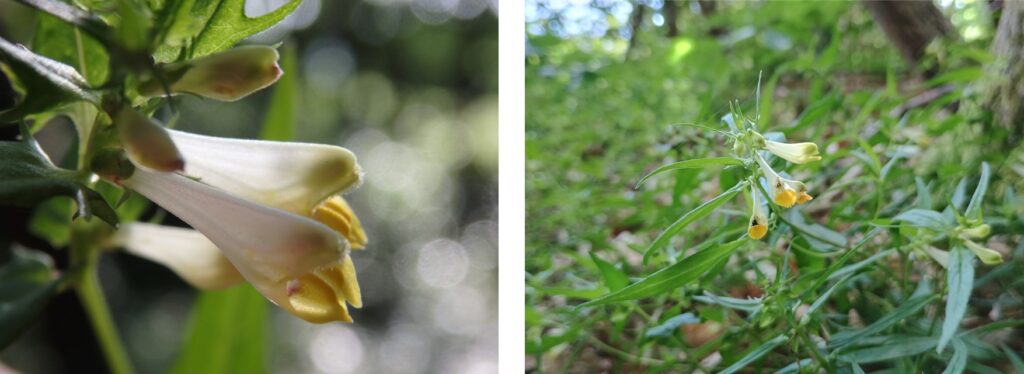
Cow-wheat is an ancient woodland indicator because it spreads very slowly. This is because its seed dispersal method is ants, tiny wood ants that cannot carry the seeds far. They are lured by a sugary liquid seeping just below the petals, then they take the nutrient-rich seed casings back to their nests to feed their young; but they’re unlikely to cover more than a metre or two. This means an established patch won’t expand much and new patches don’t just spring up.
Pollination of the tubular flowers is by insects with a long proboscis (like a long, hollow unfurling tongue, think of an upside-down party blower), but rather handily, it can self-pollinate if it has to.
This plant likes hedges and edges, scrubland, moorland, woodland and heaths. The leaves are the food source for the caterpillars of the rare Heath Fritillary butterfly, but I don’t think there is any reason to suppose that this is visiting our little cow-wheat patch in South Wood.
The scientific name Melampyrum pratense comes from the Ancient Greek words “melas” meaning black and “pyros” for wheat – because the seeds make bread dough turn black. “Pratense” just means meadow, nothing fancy or intriguing, just one of the possible habitats. And in my personal experience in East Sussex, quiet woodland edges is the favourite location.
So, next time you are wandering around the outskirts of a wood in early summer, walking slowly and looking down, keep your eyes peeled for these little pairs of yellow tubey flowers and know that you are looking at evidence of ant practice and ancient woodland history.
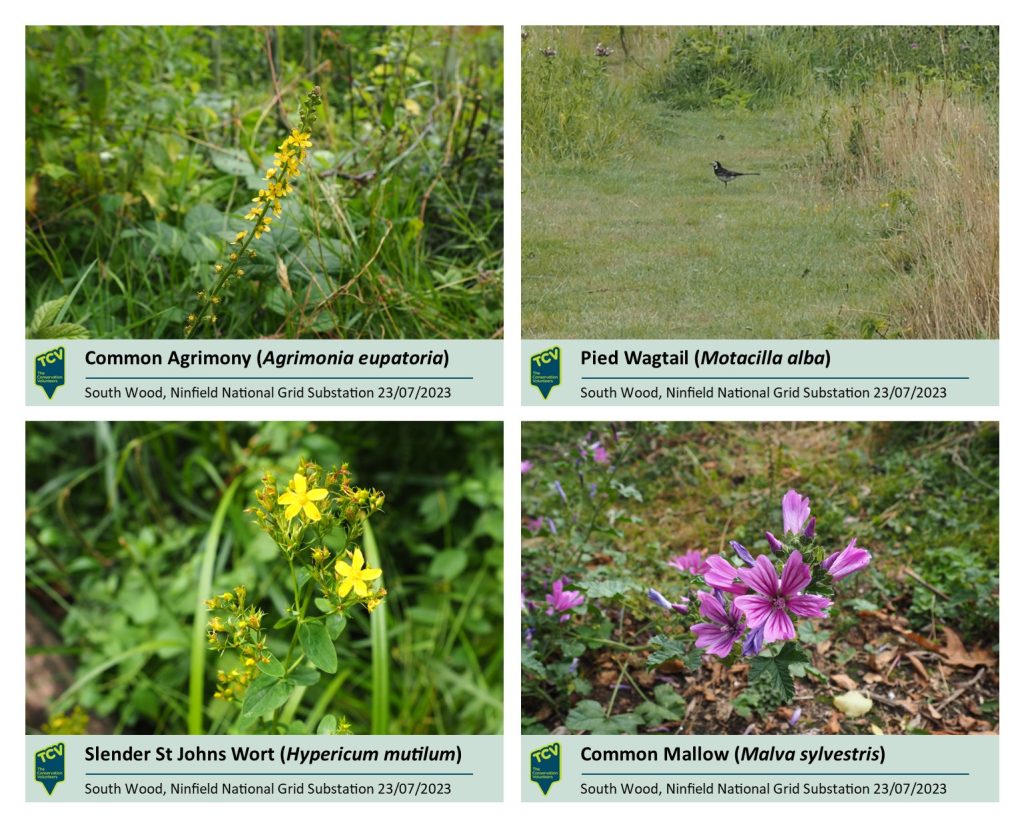
Common Agrimony (Agrimonia eupatoria) – 28/06/2026 South Wood, Potman’s Lane, Ninfield
A distinctive and eye-catching wildflower, agrimony has a tall single stem with delicate little yellow five-petal flowers closely circling the top. It grows in various habitats, such as woodlands or meadows or verges, attracting bees and butterflies to its pollen. Often, the spikes will lean dramatically or curve over as they get taller and heavier. We have a few dotted along the permissive path from the road edge and a beautiful spread in the meadow, nodding golden in the breeze.
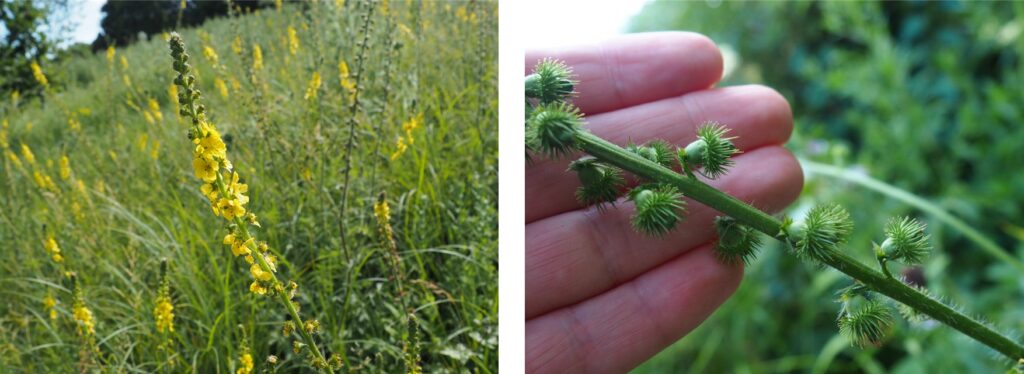
As the flowers finish, each one turns into a small spiky ball containing the seeds. You have almost certainly had them caught on your clothes before, the tiny hooks acting like Velcro as you brush past. You’ve probably spent ages picking them off at home – this makes YOU one of the seed dispersal methods! Catching on animals’ fur is the main purpose of the hooks, nature’s design so that the seeds are spread far and wide.
Agrimony is also sometimes known as Church Steeples, Cockleburr or Sticklewort, presumably for the obvious reasons of its tall pointy appearance and sticky seed burrs. The scientific name Agrimonia eupatoria seems to come from ager (meaning field) and an ancient Greek King (Mithridates Eupator) famed for botanical medicine. Because it has had many medicinal uses historically, including treatment for feet, cataracts, diarrhoea and as an Anglo-Saxon Viagra.
So, keep an eye out for the striking yellow spikes, and next time you are picking those annoying prickly balls off your clothes after a lovely walk, perhaps scatter them at the bottom of the garden and see if you get your own agrimony patch for the butterflies next year.
_______________________
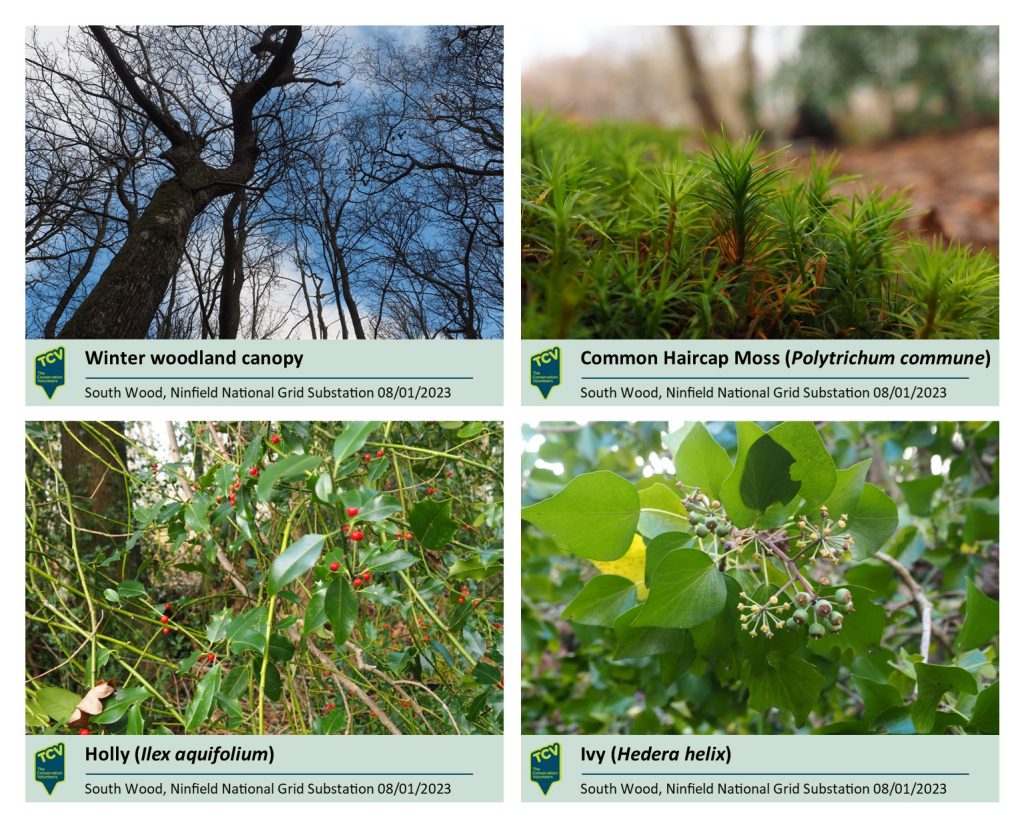
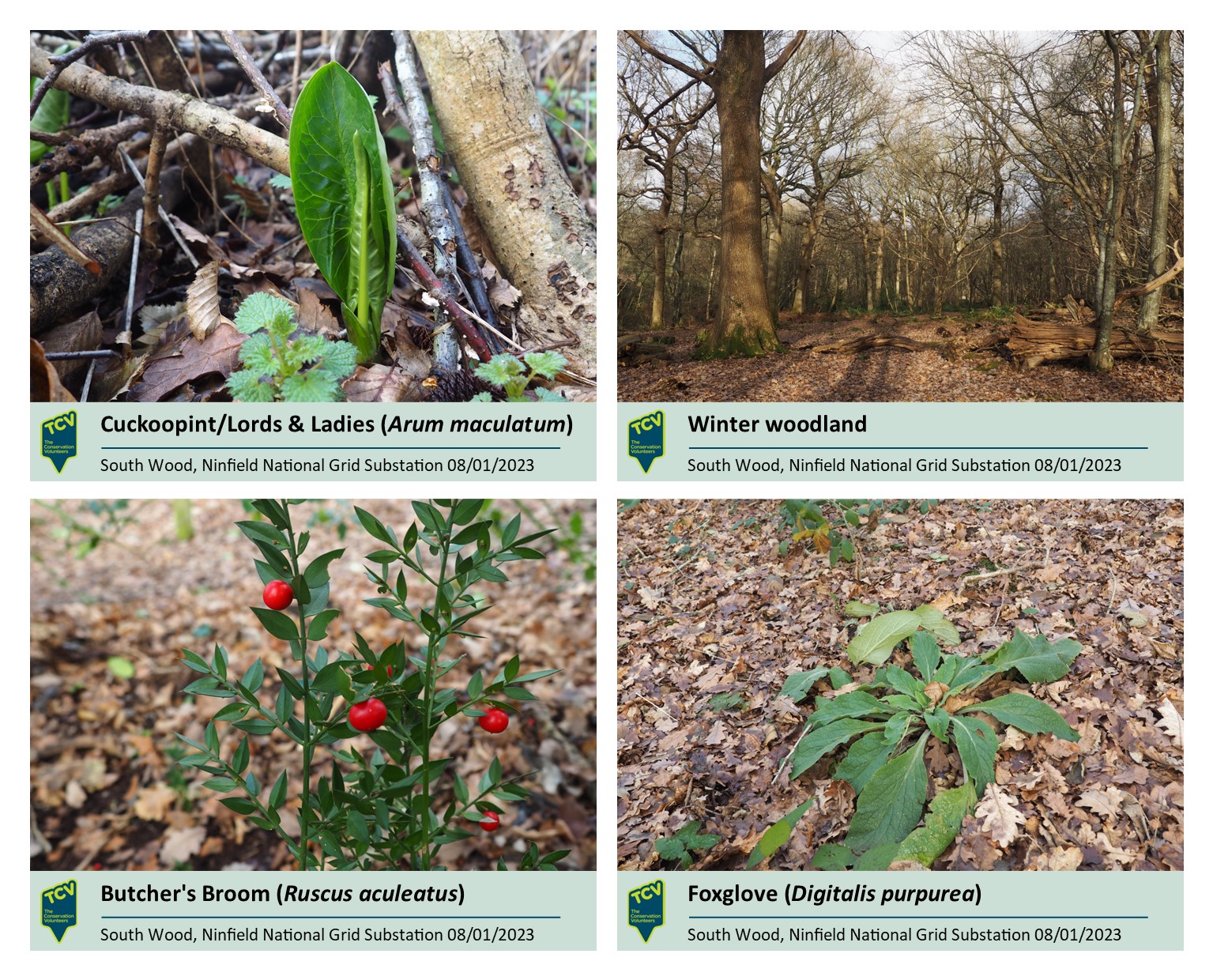
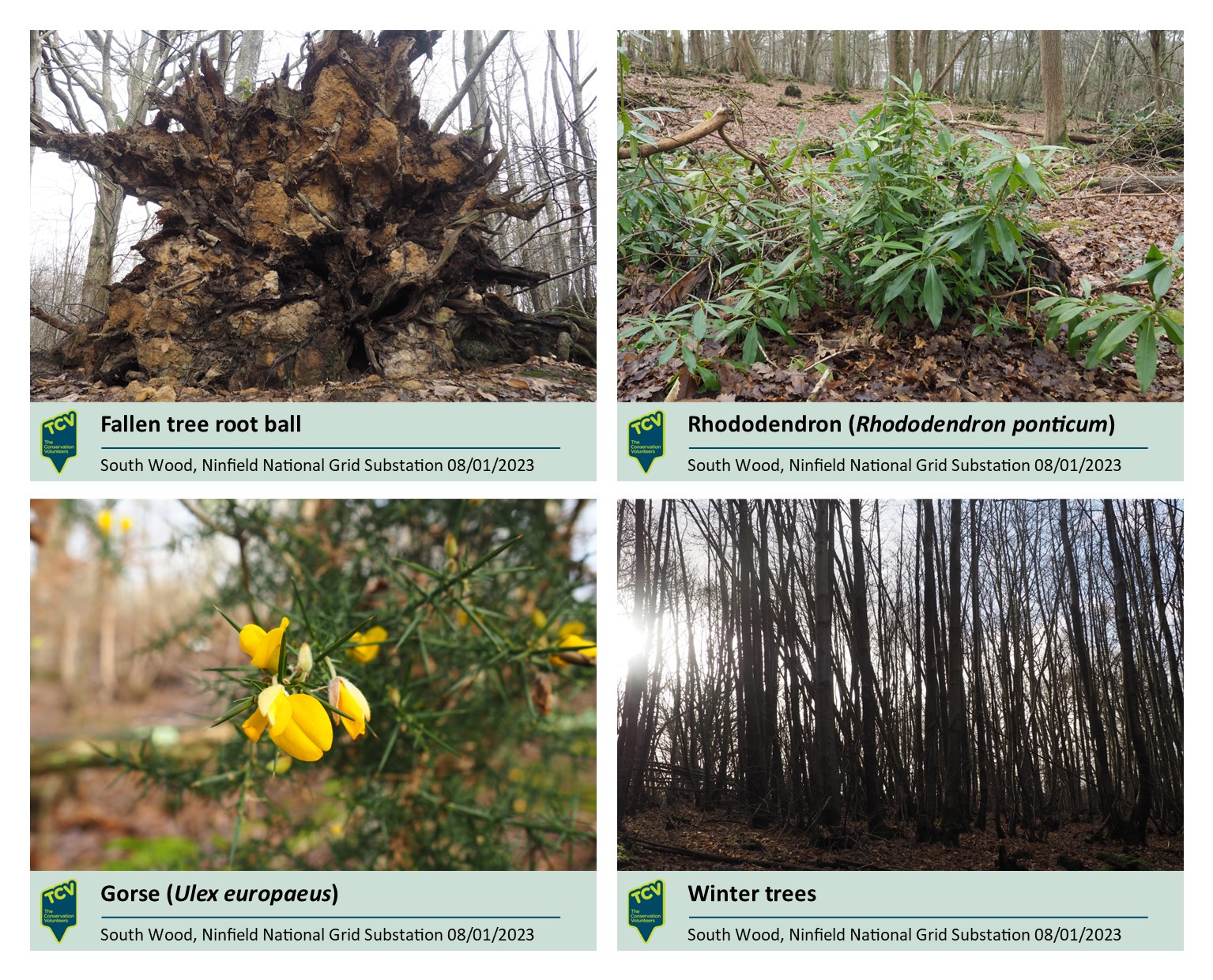
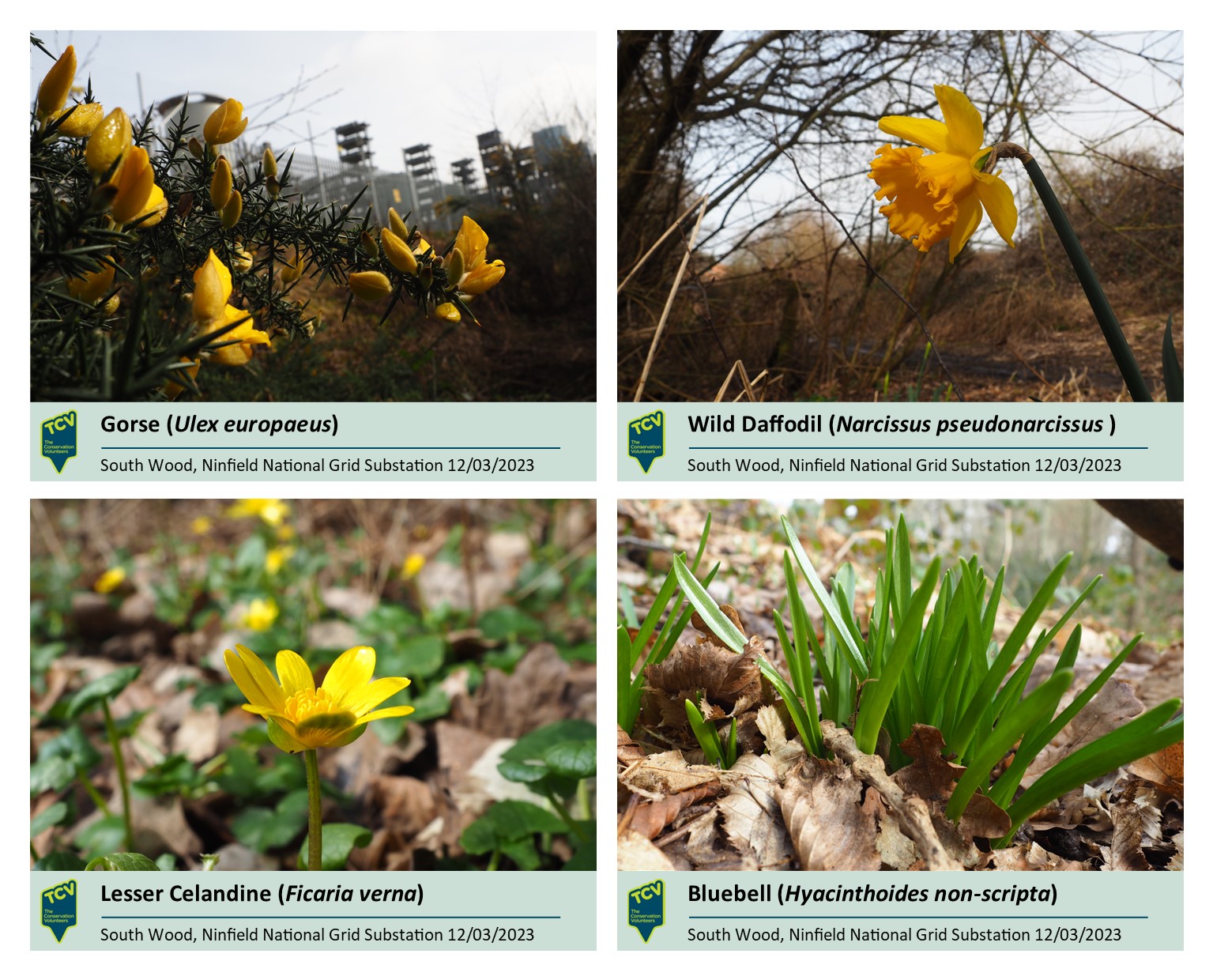
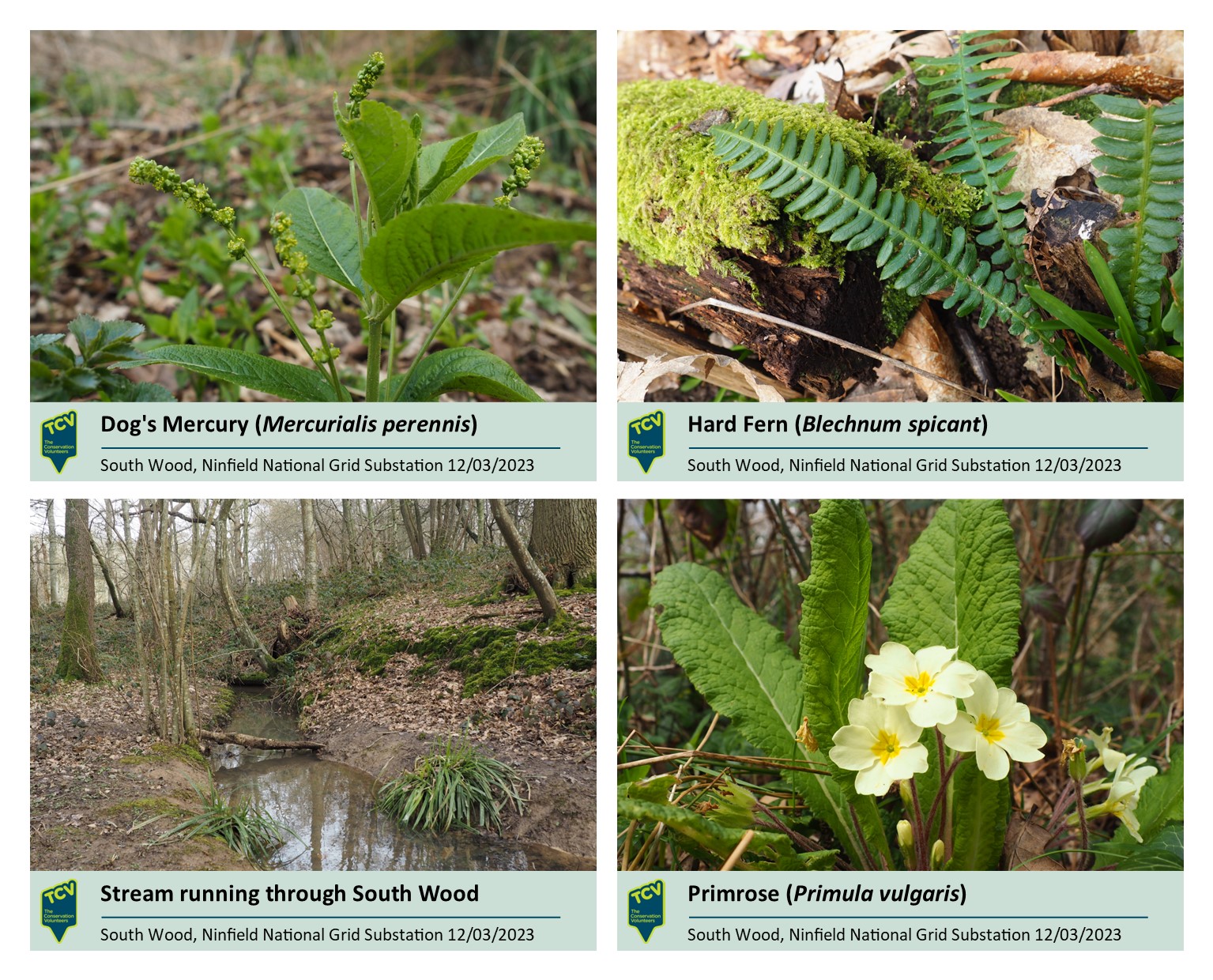
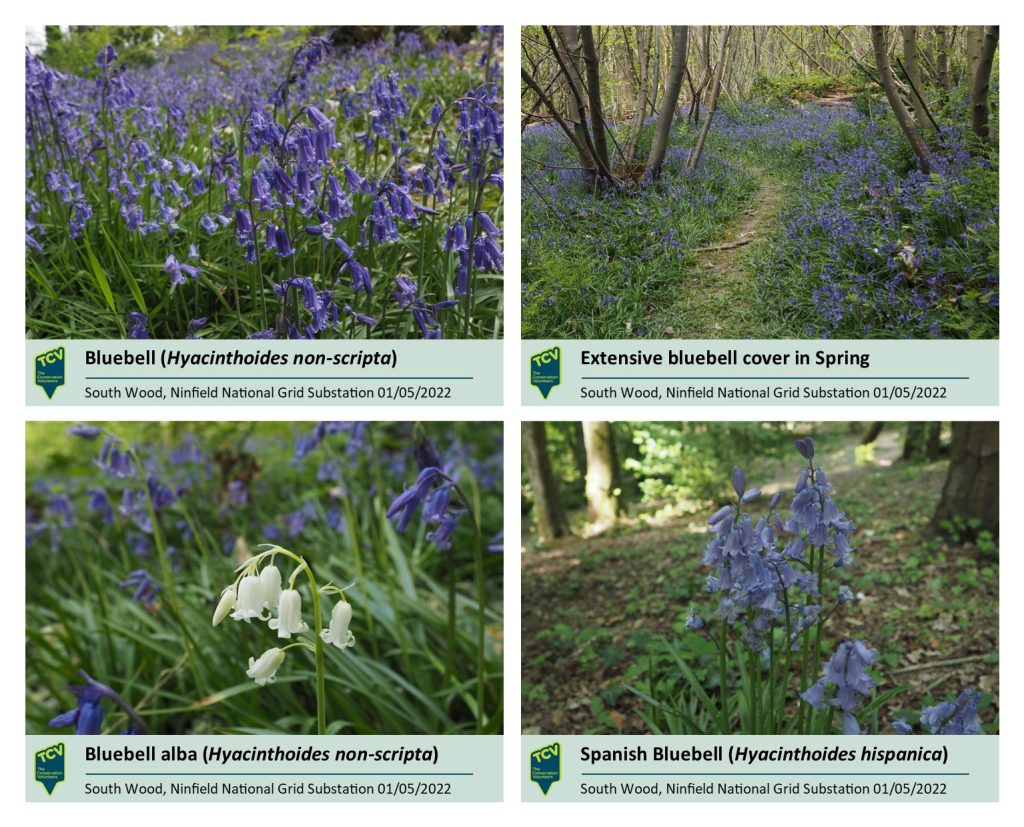
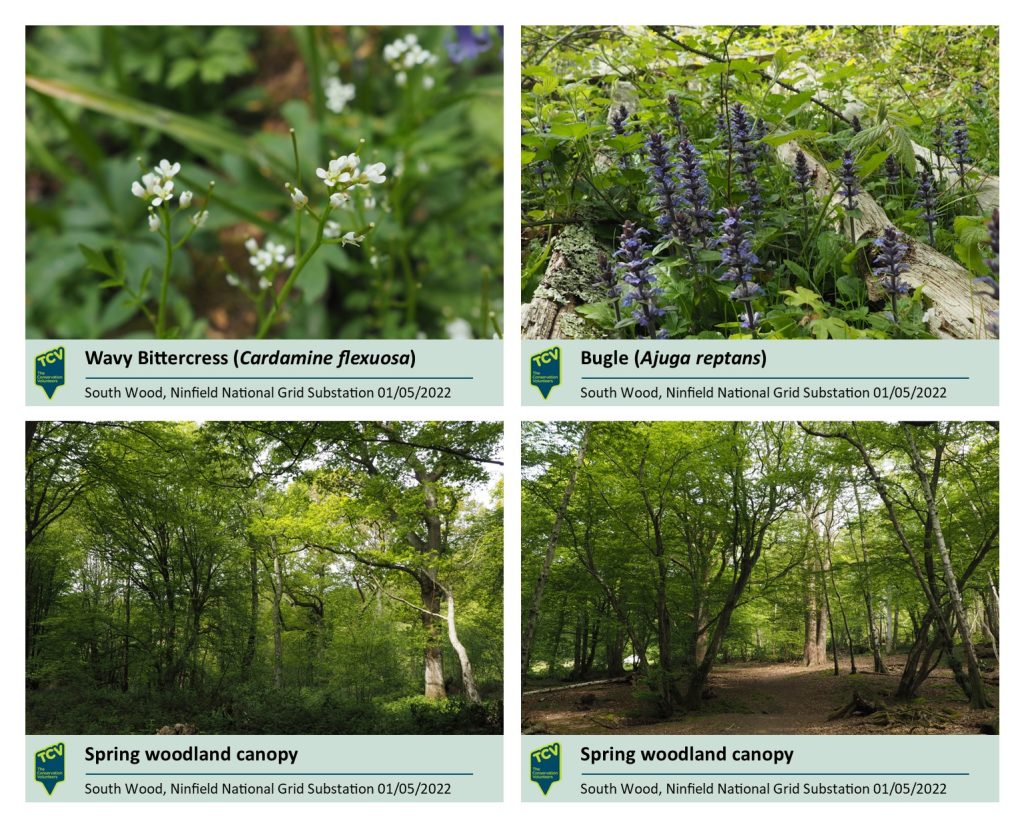
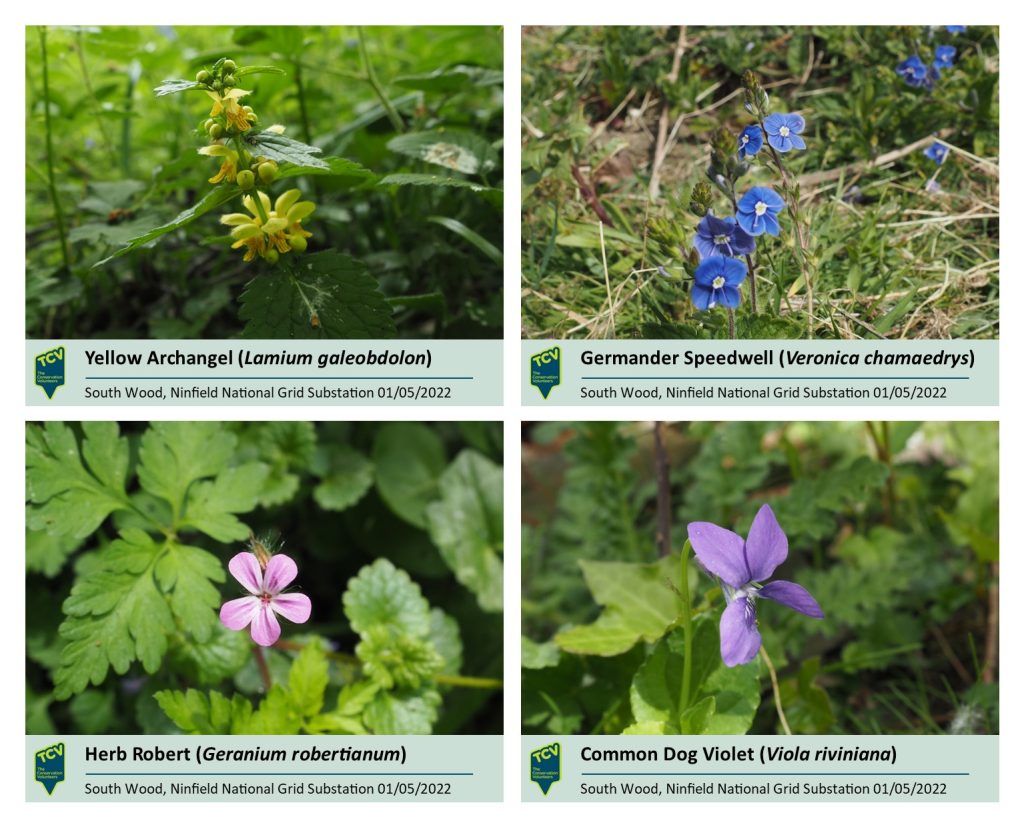
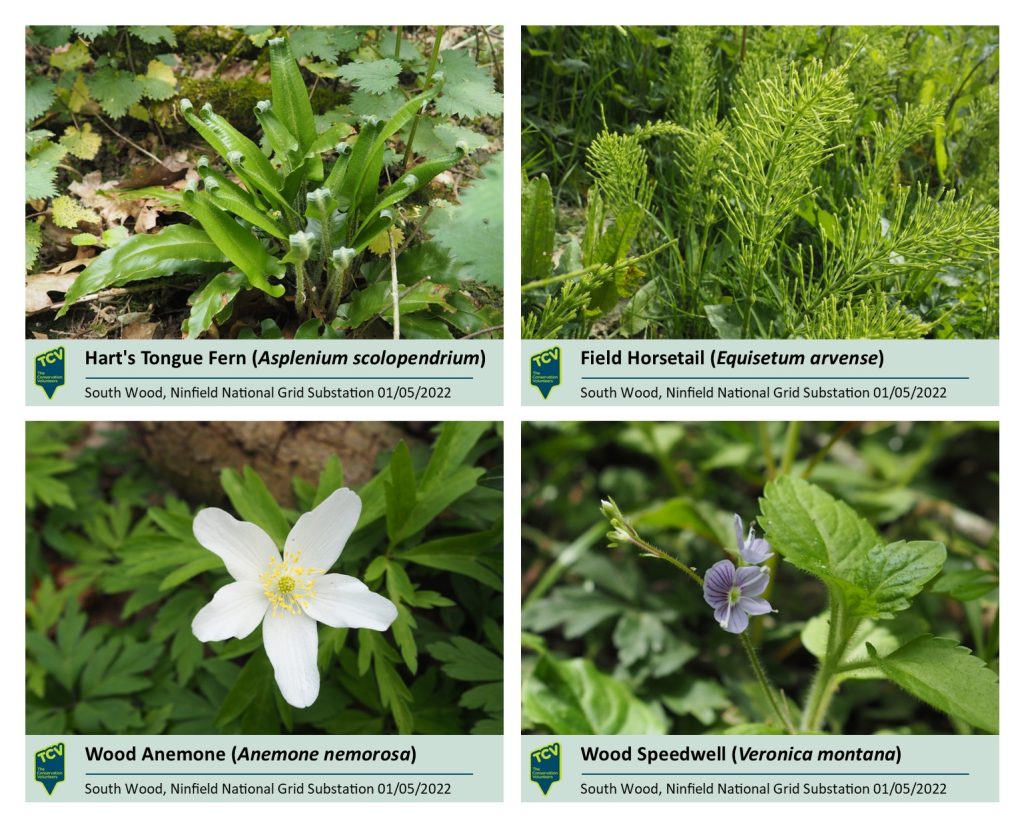
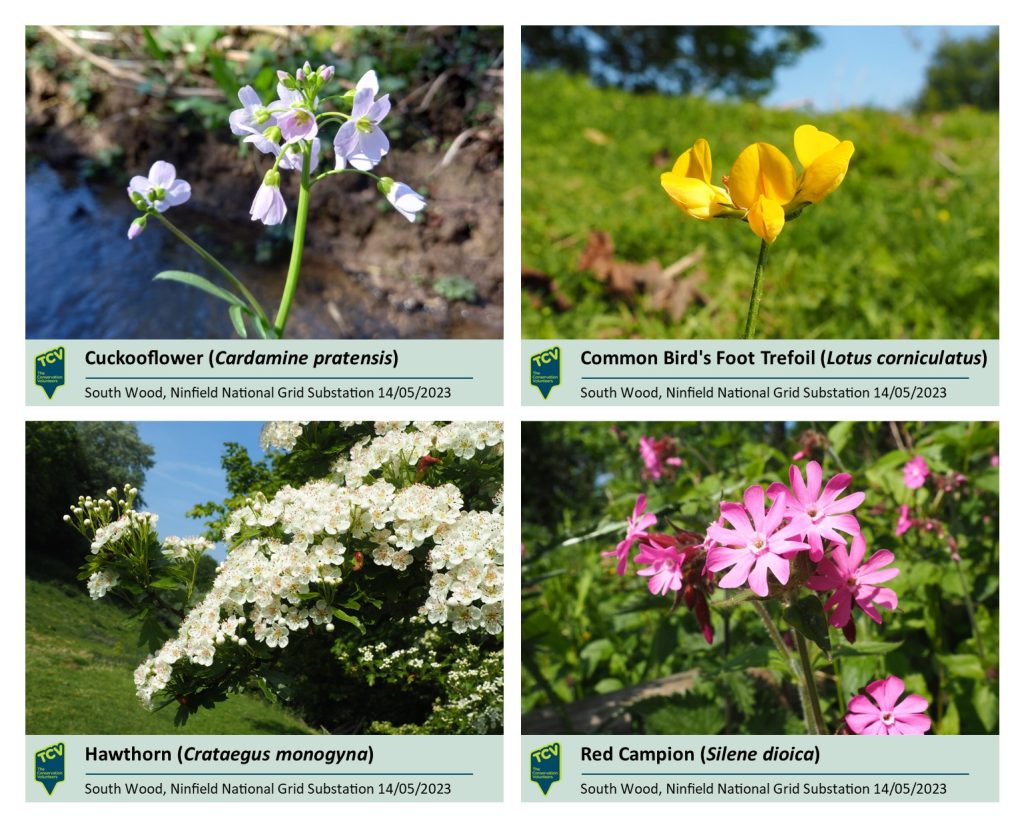
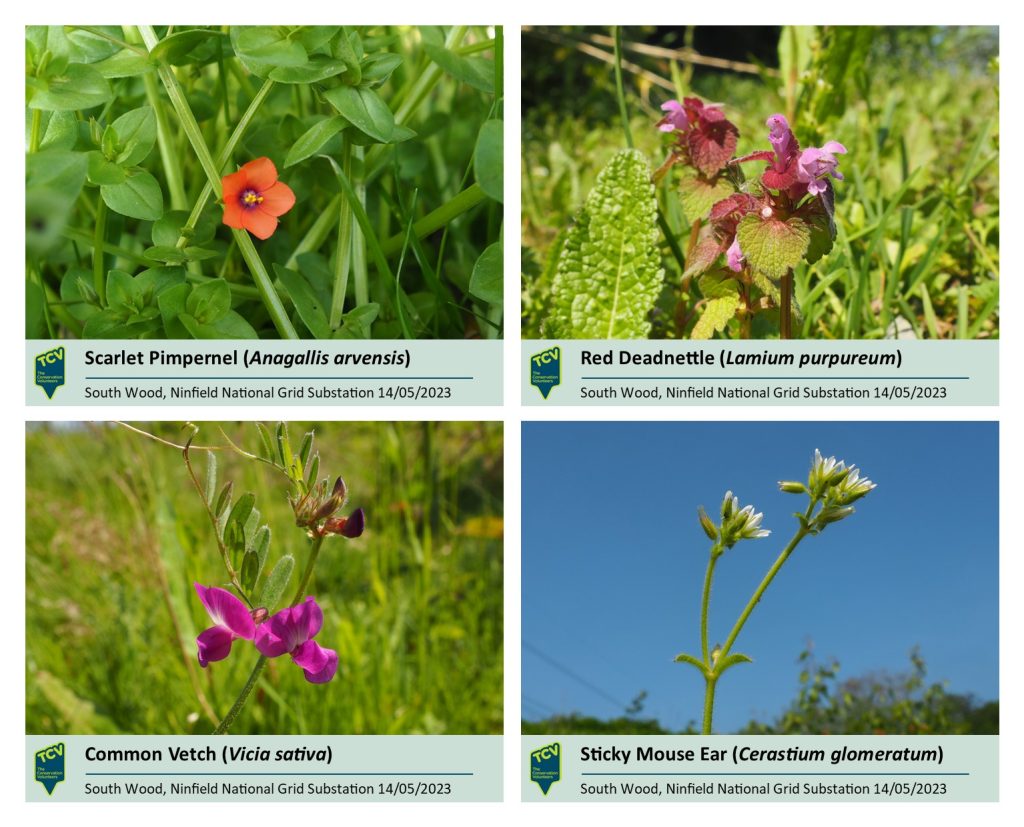
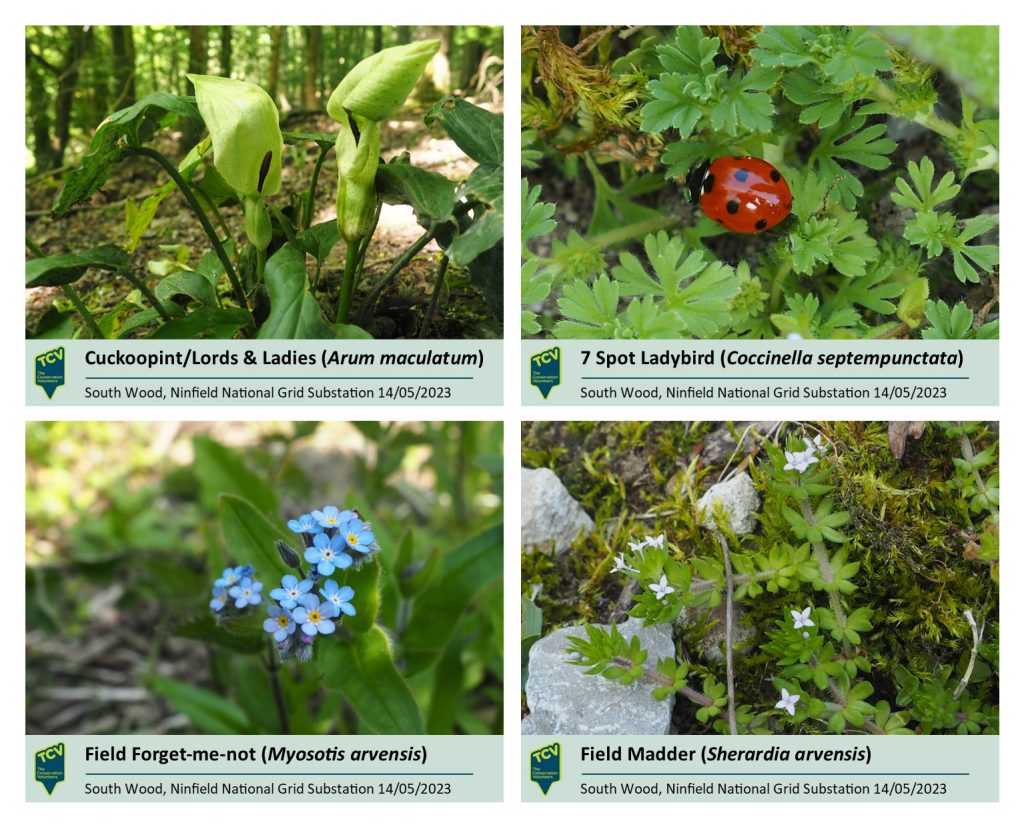
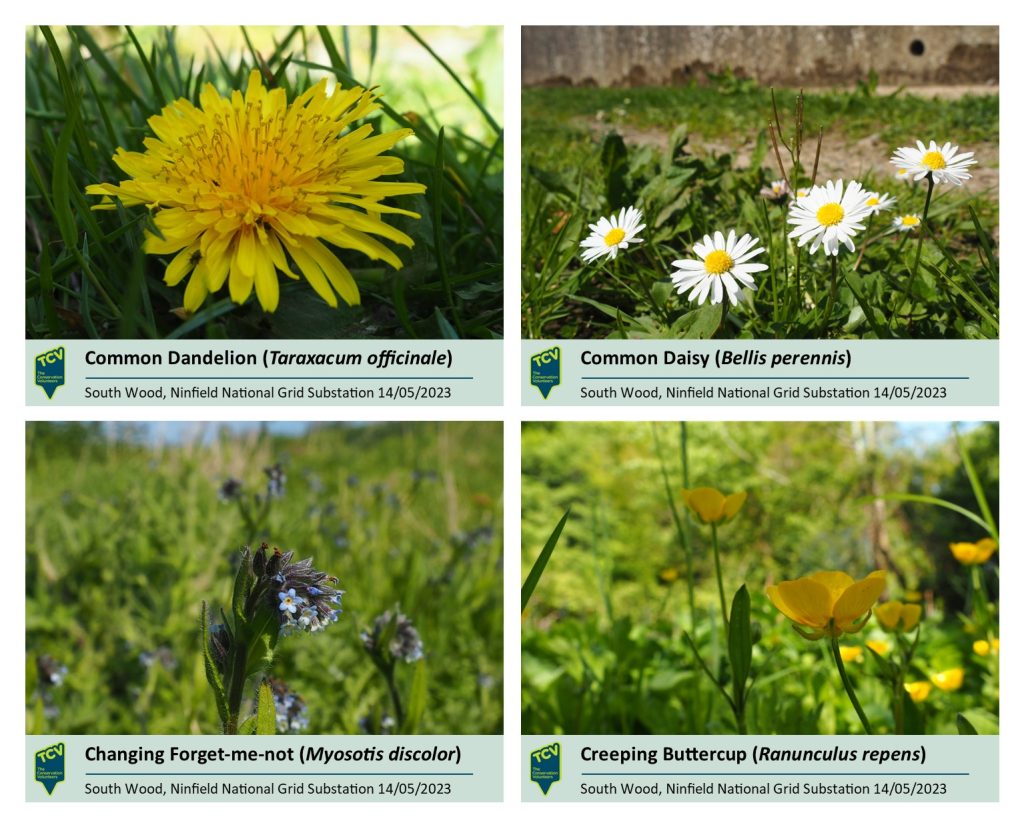
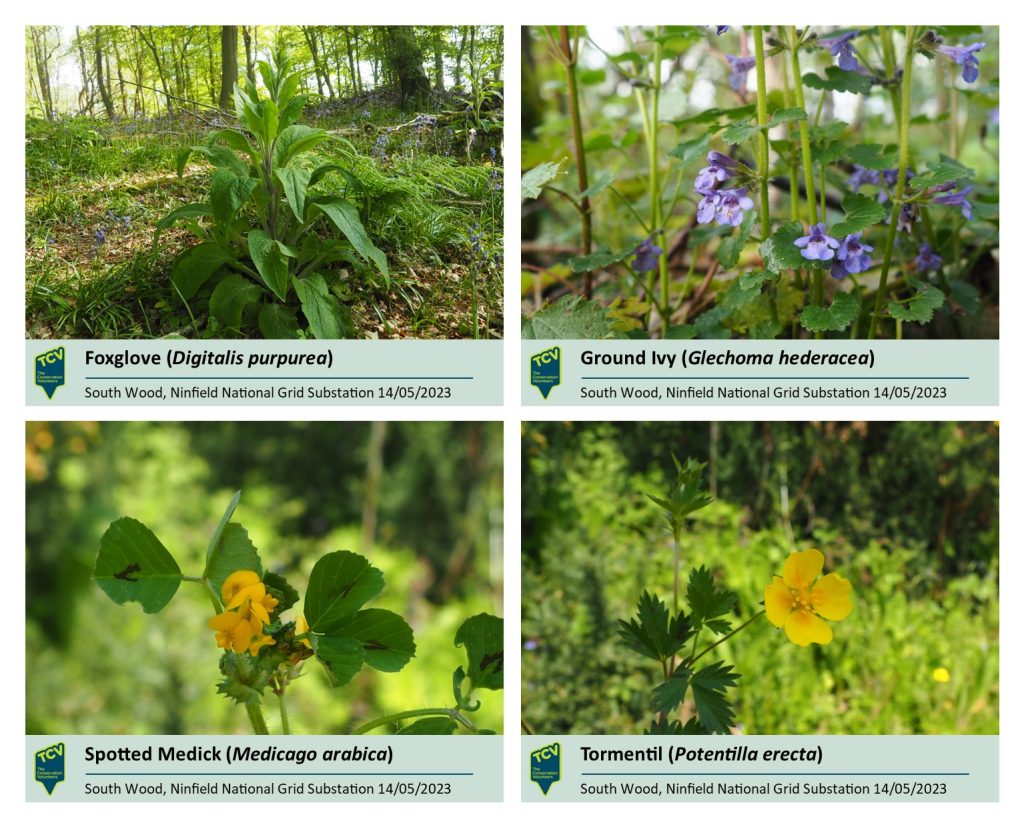
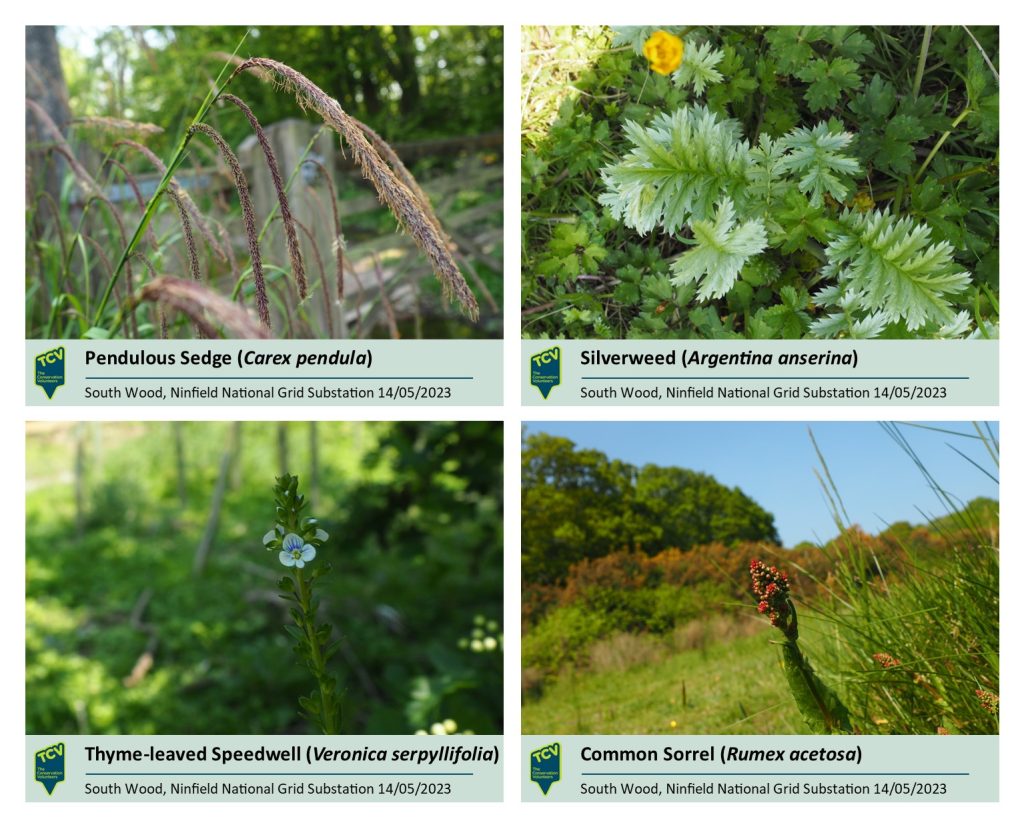
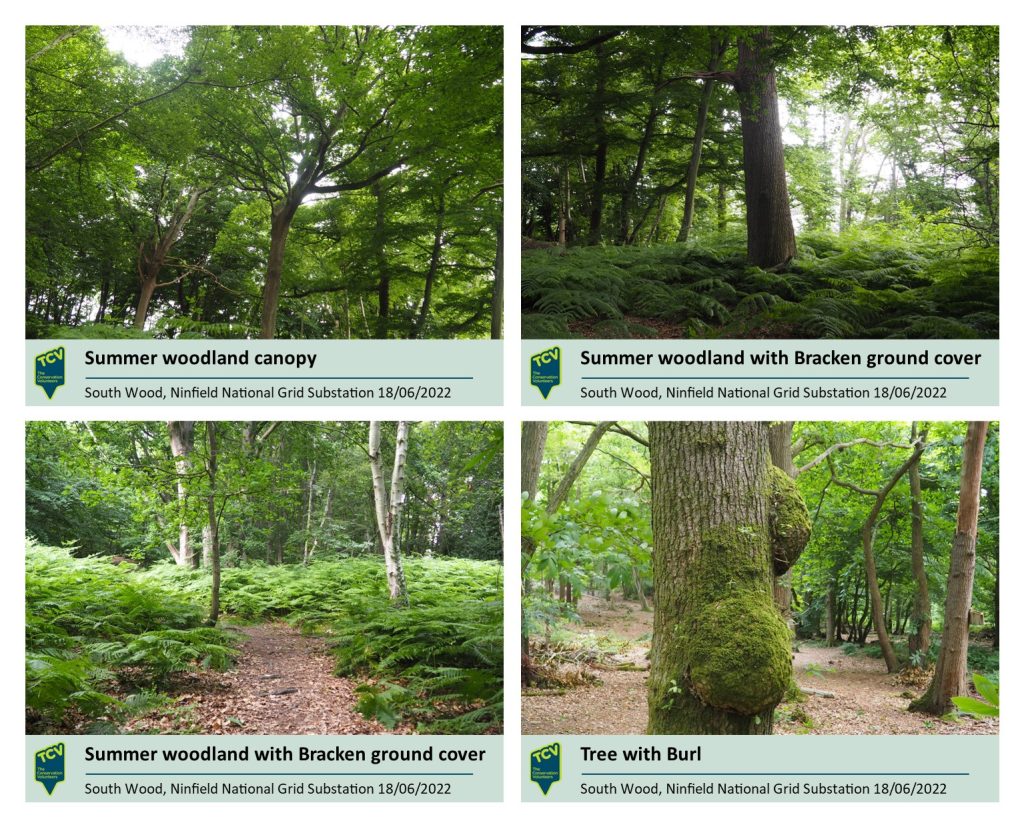
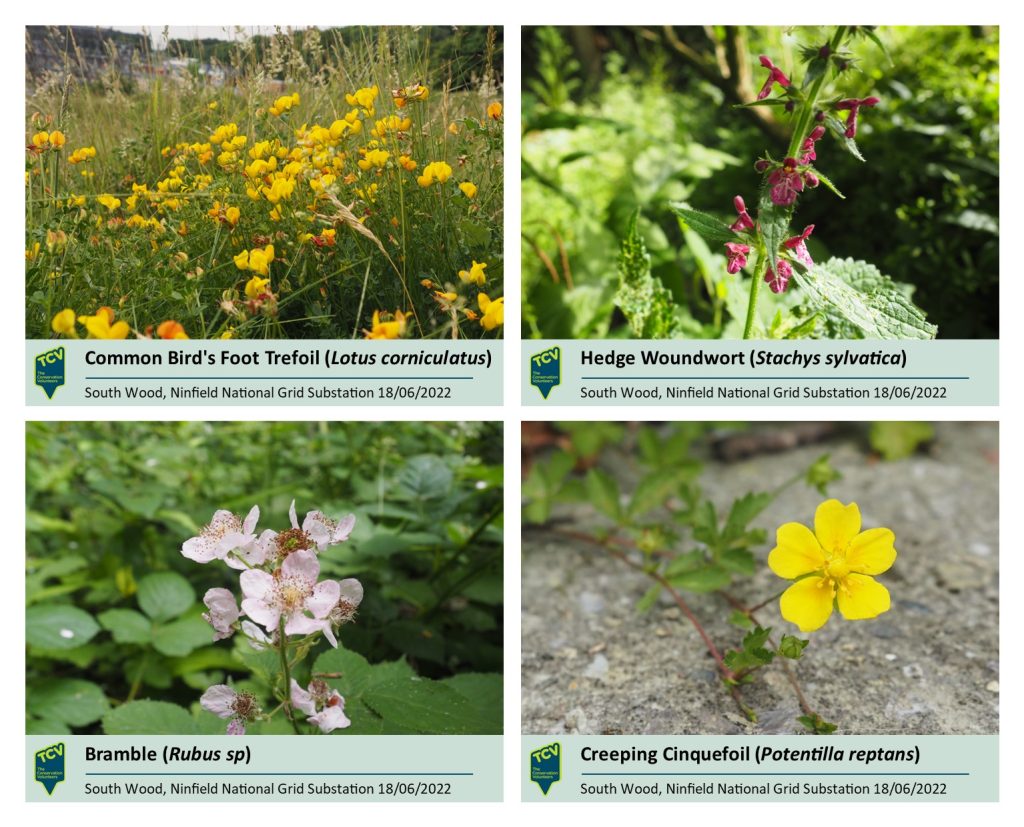
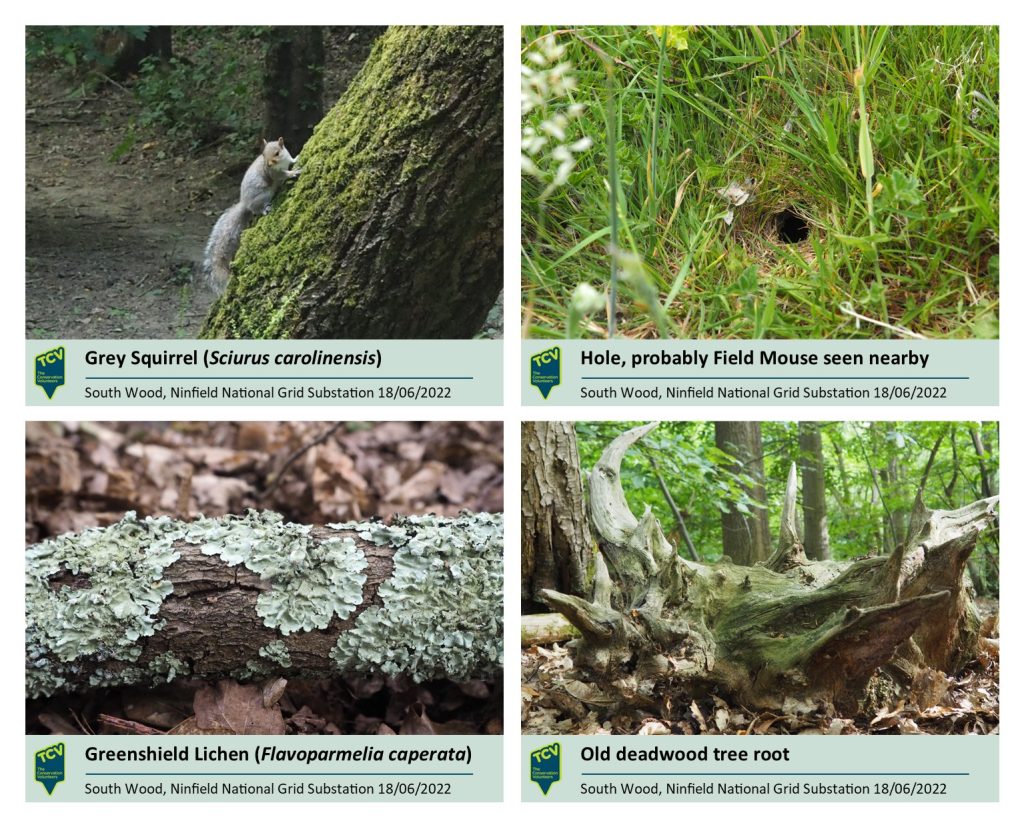
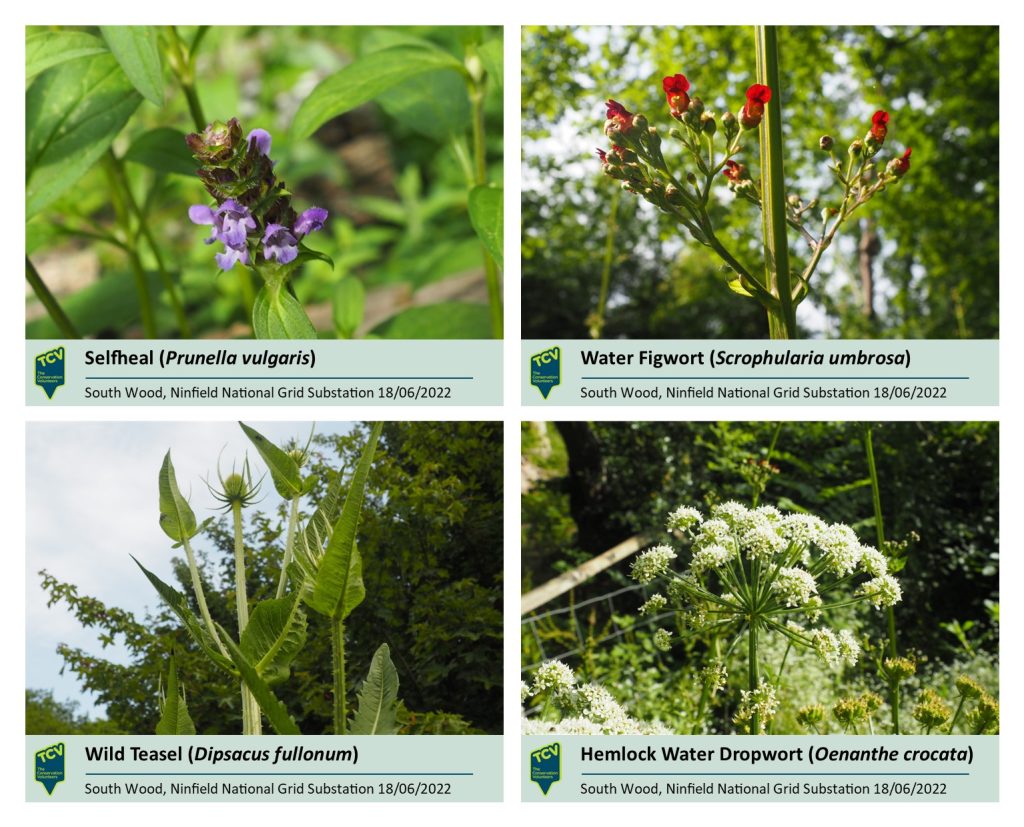
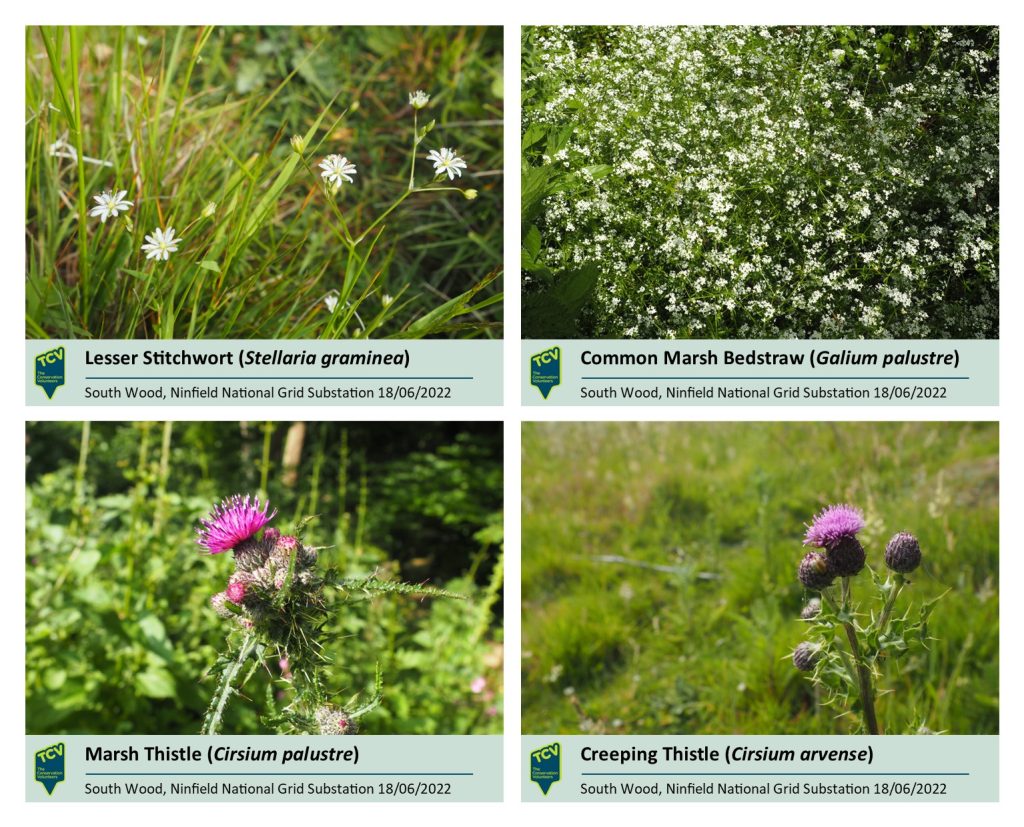
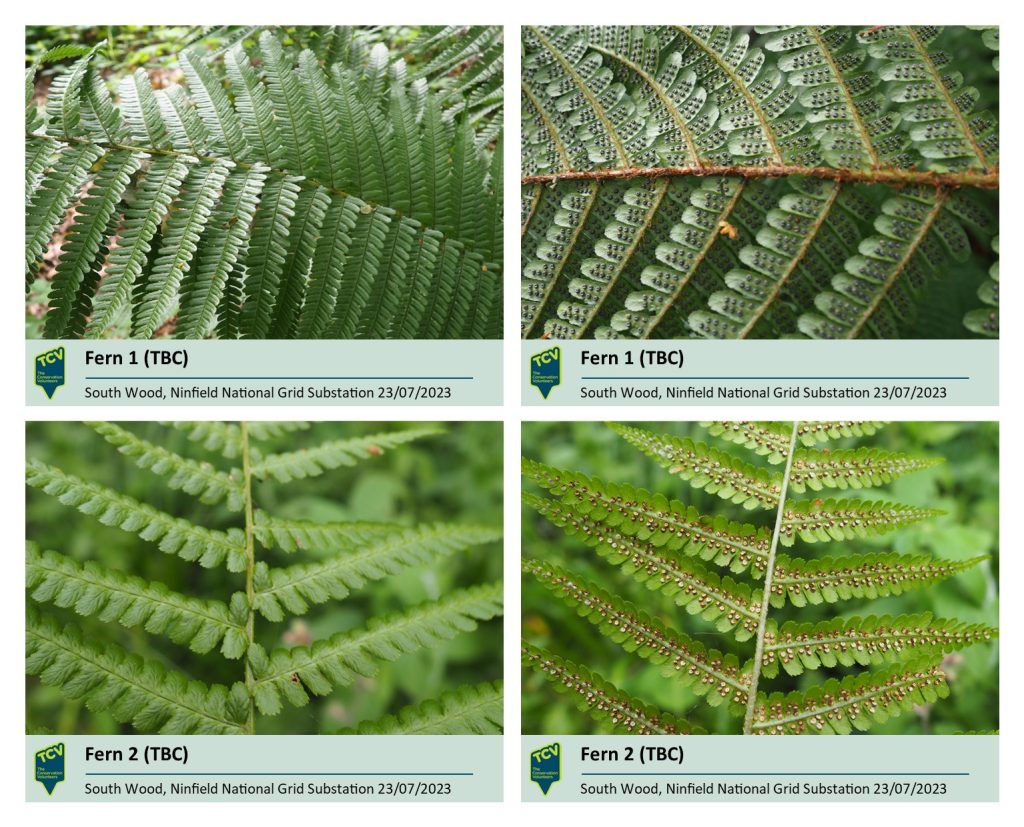
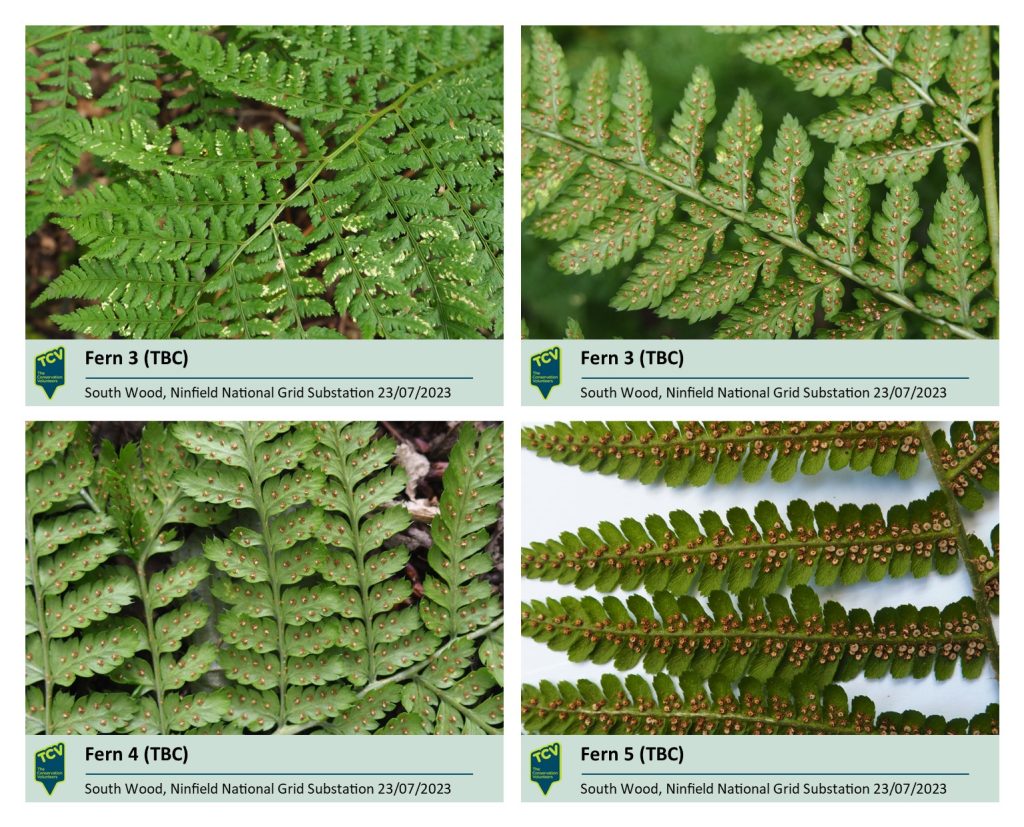
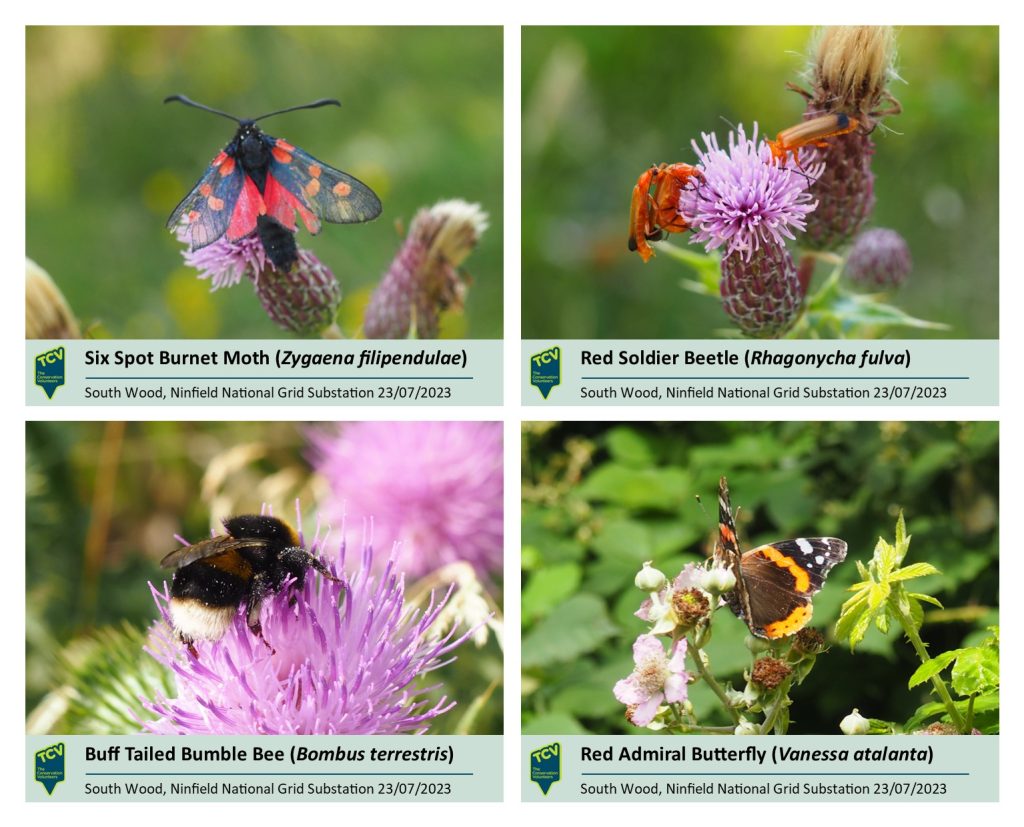
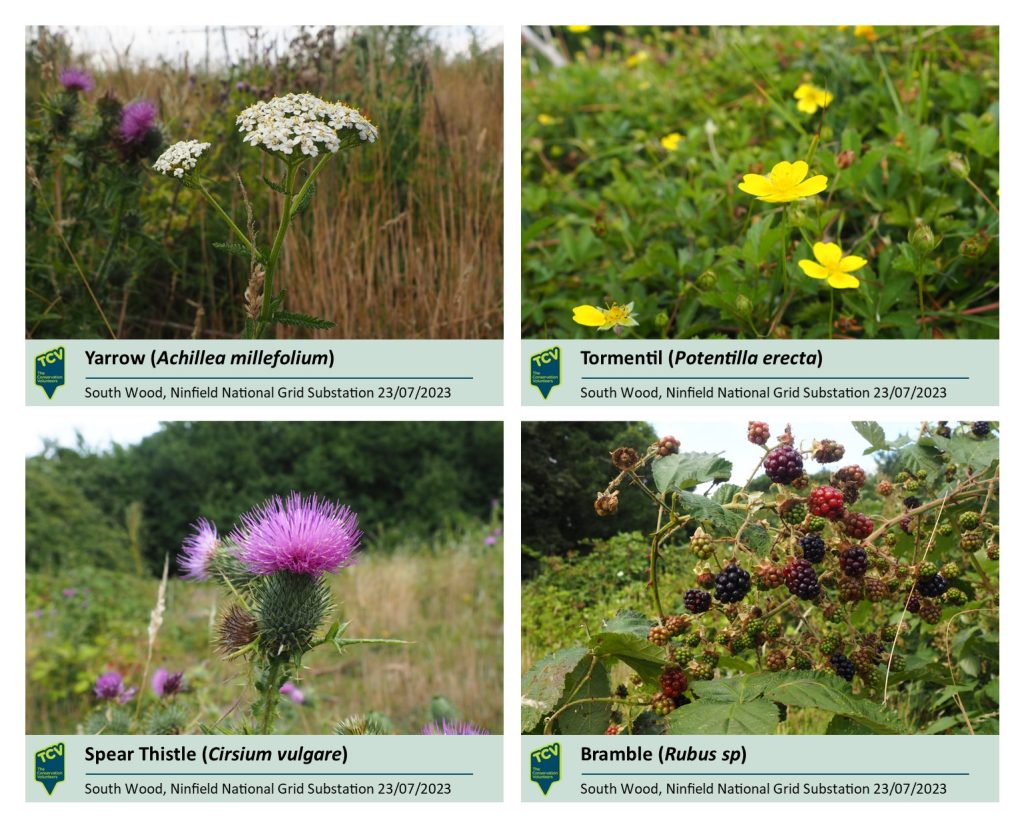
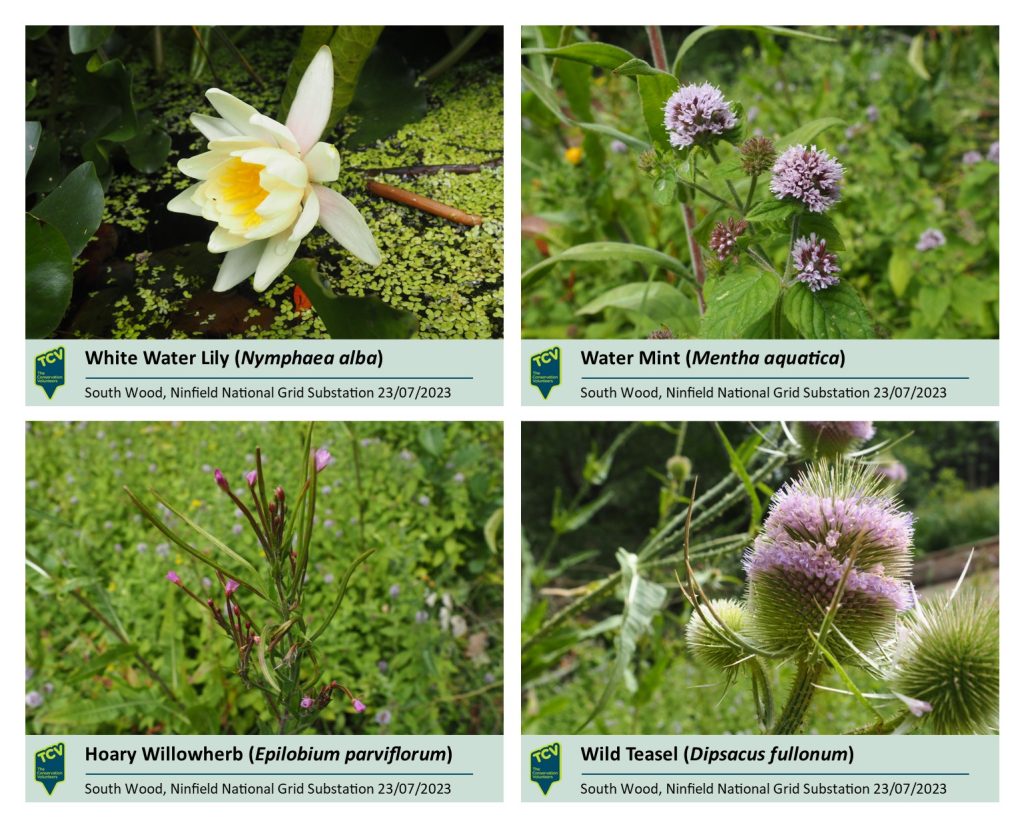
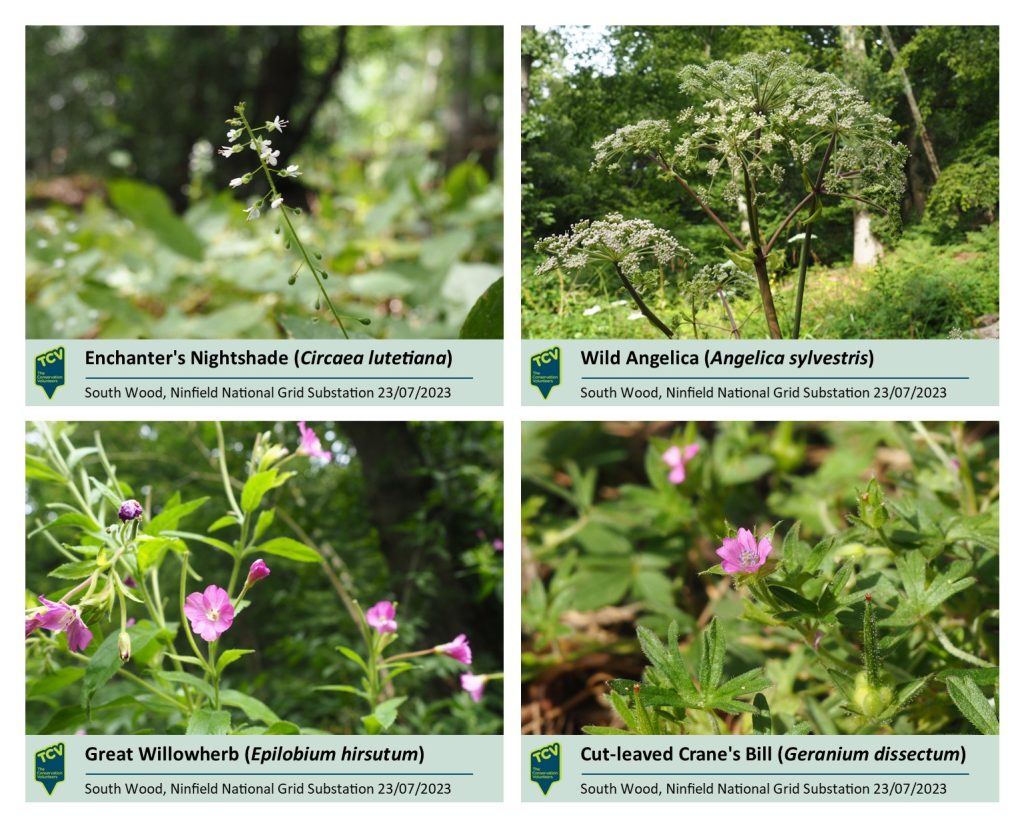
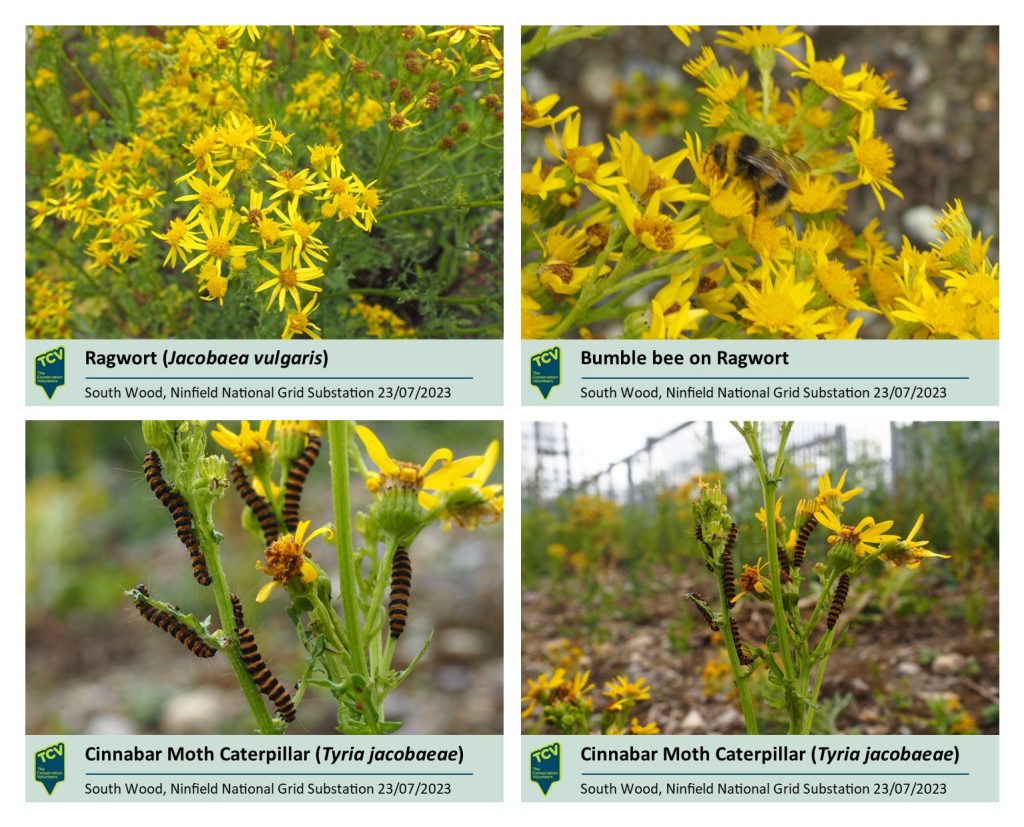
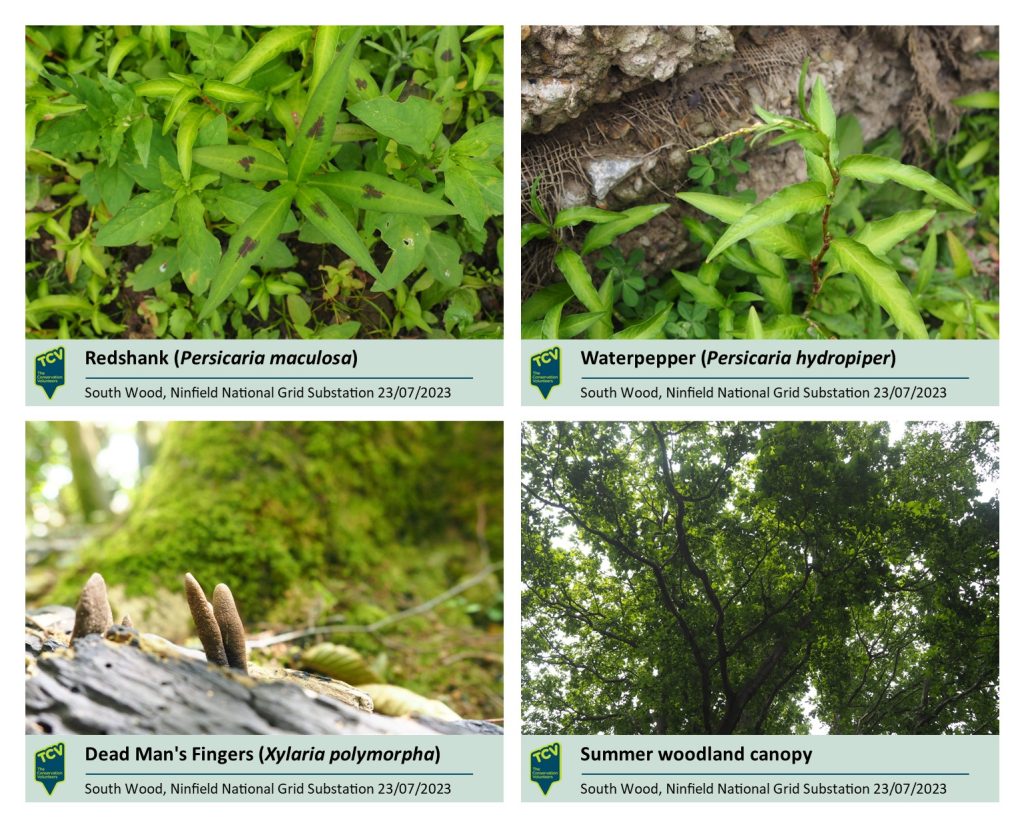
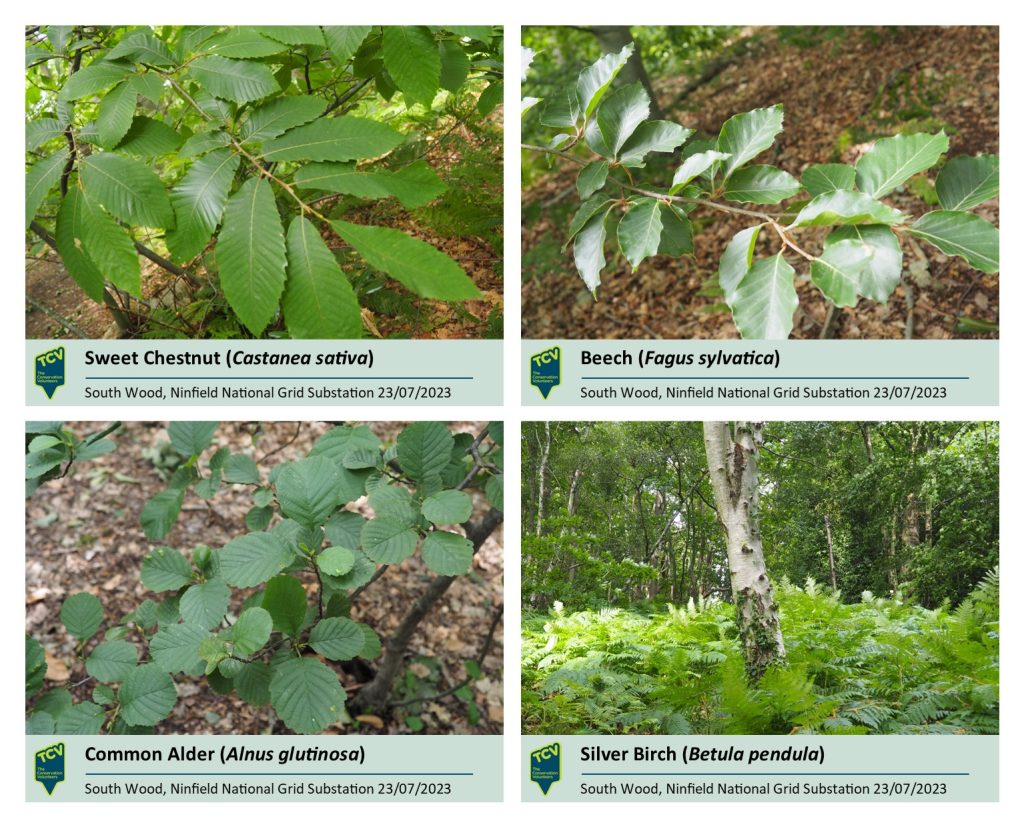
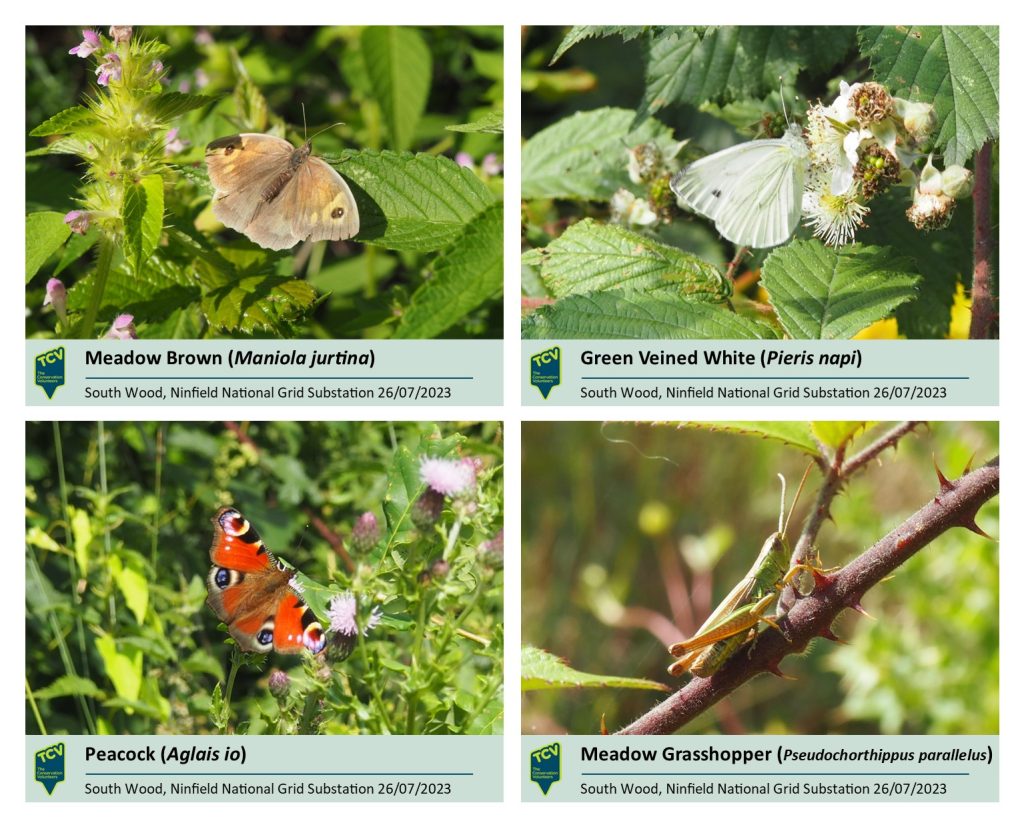
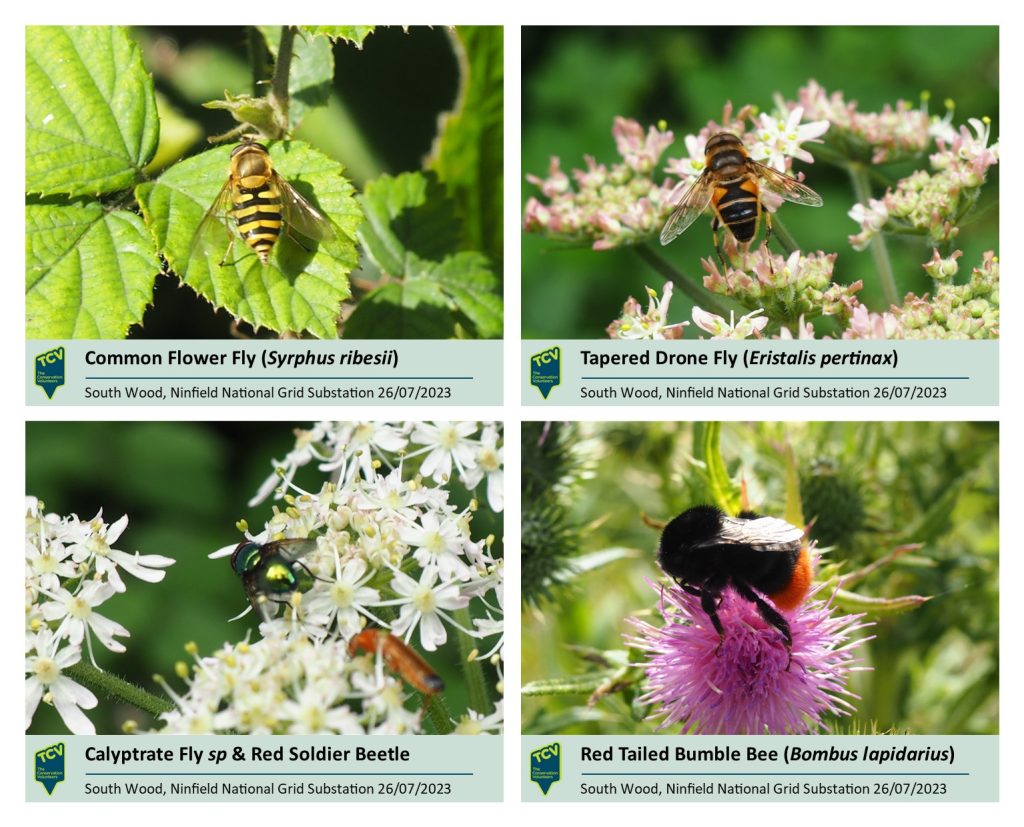
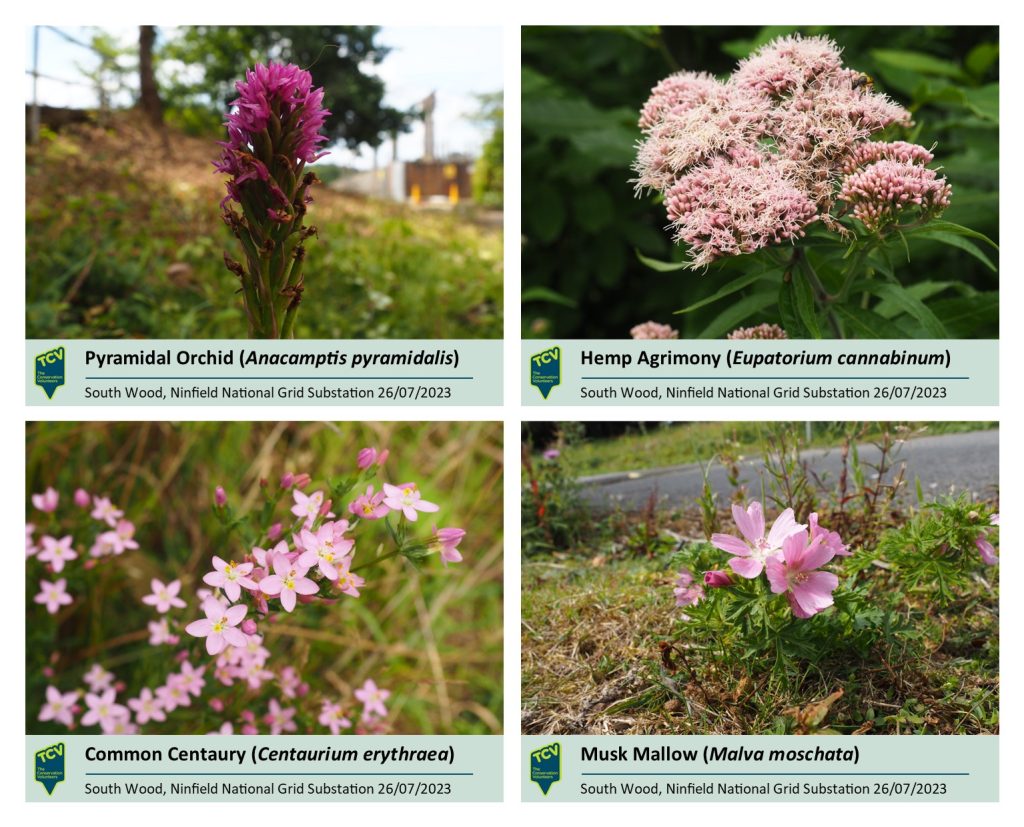
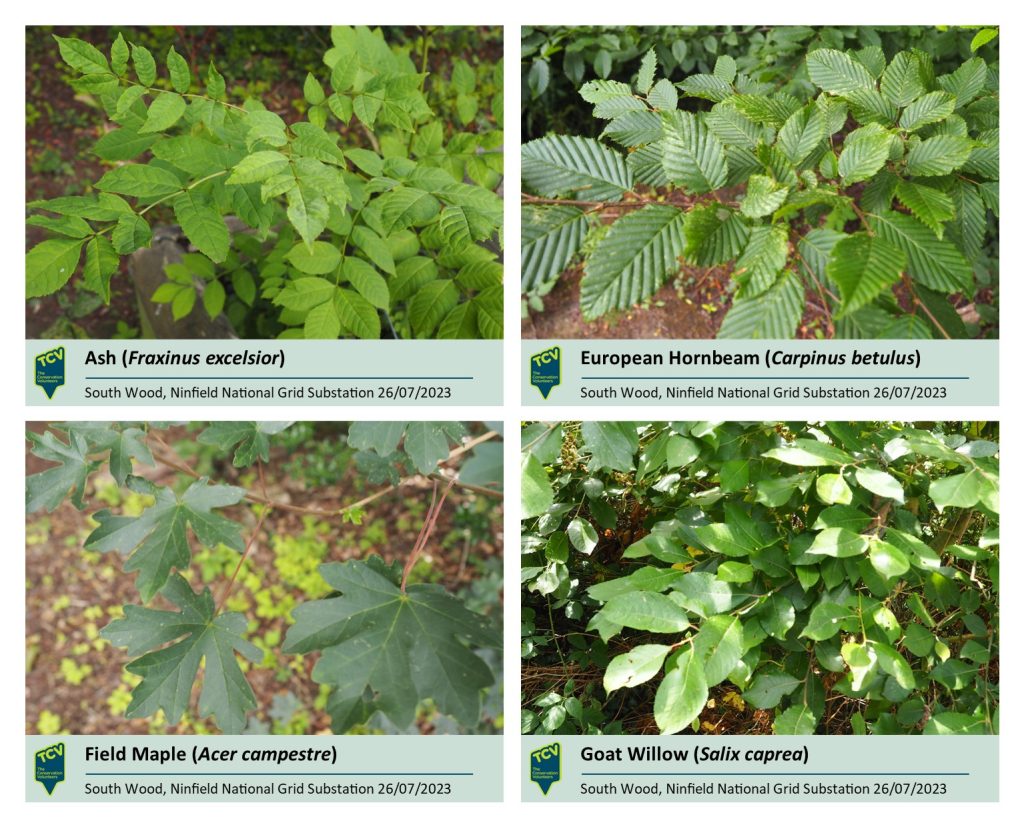
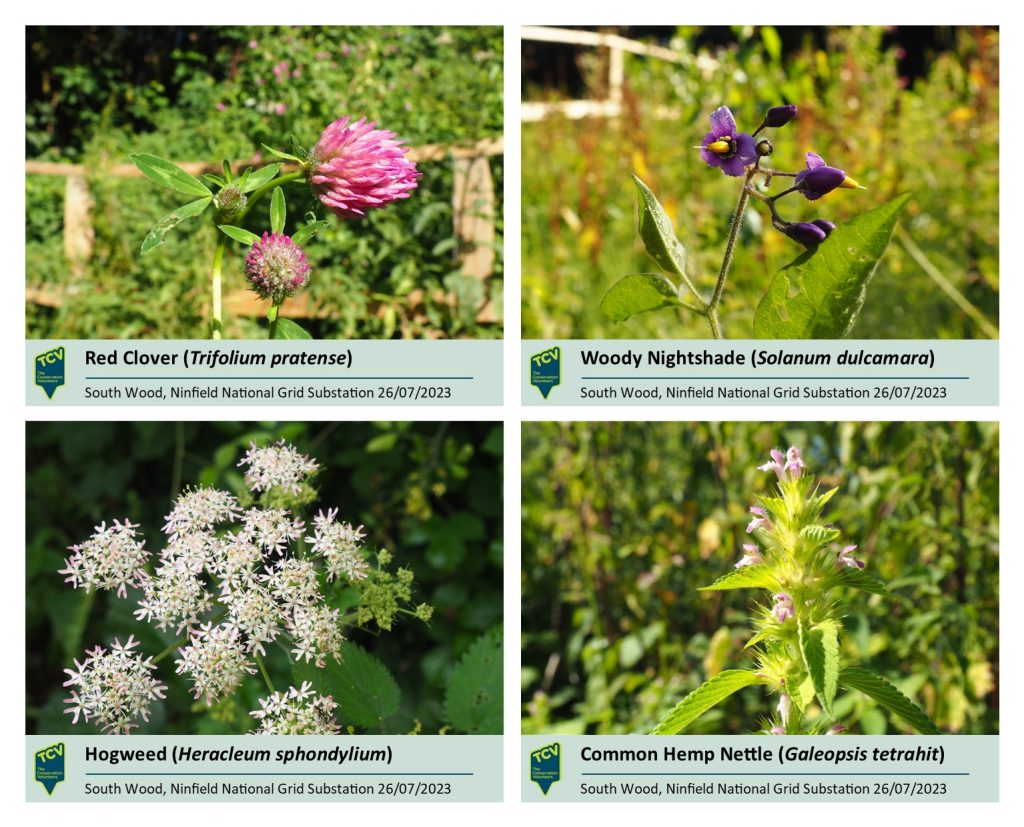
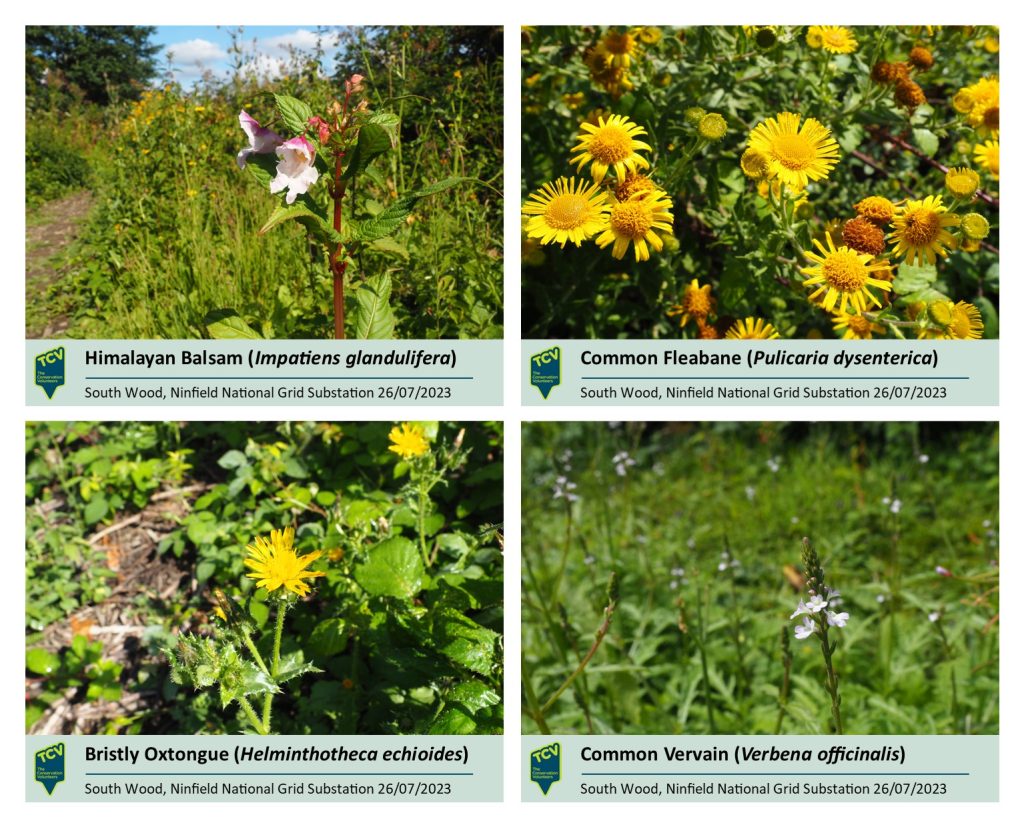
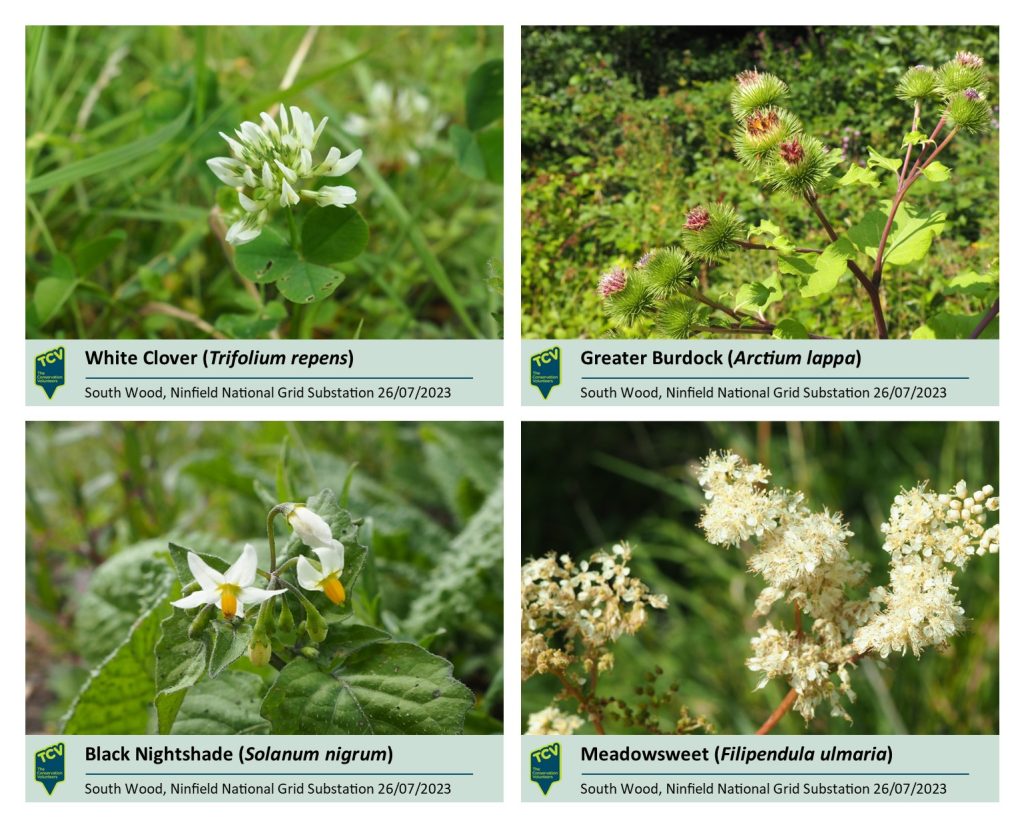
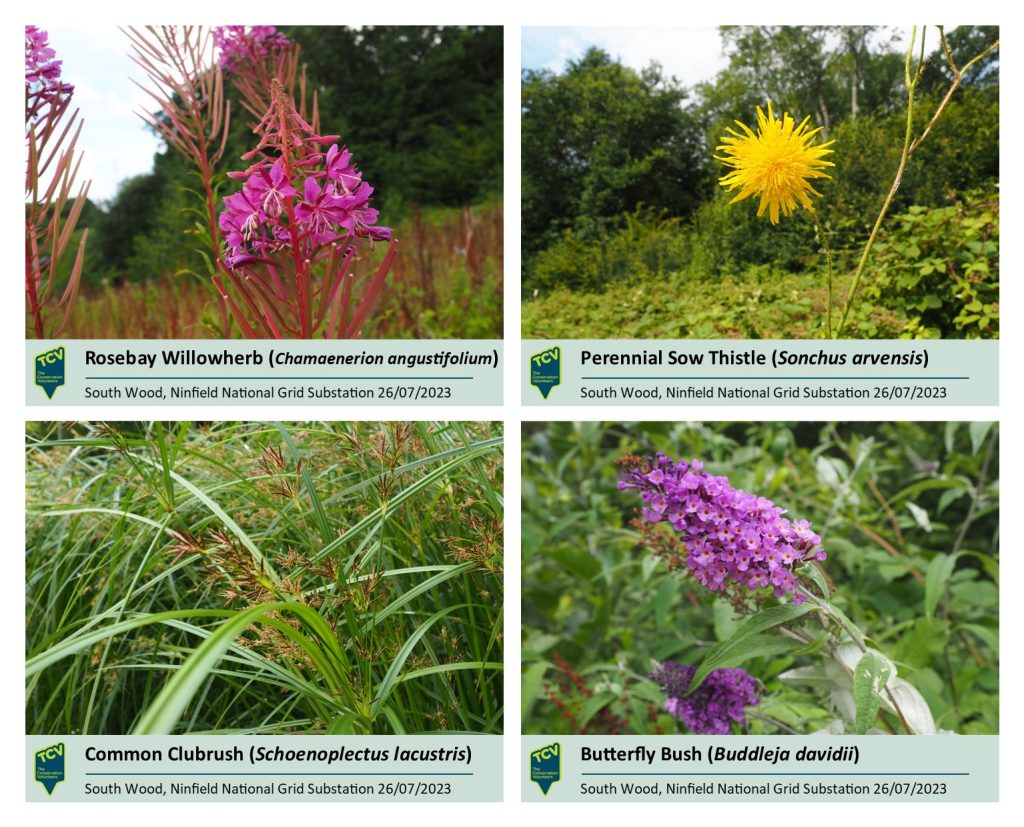
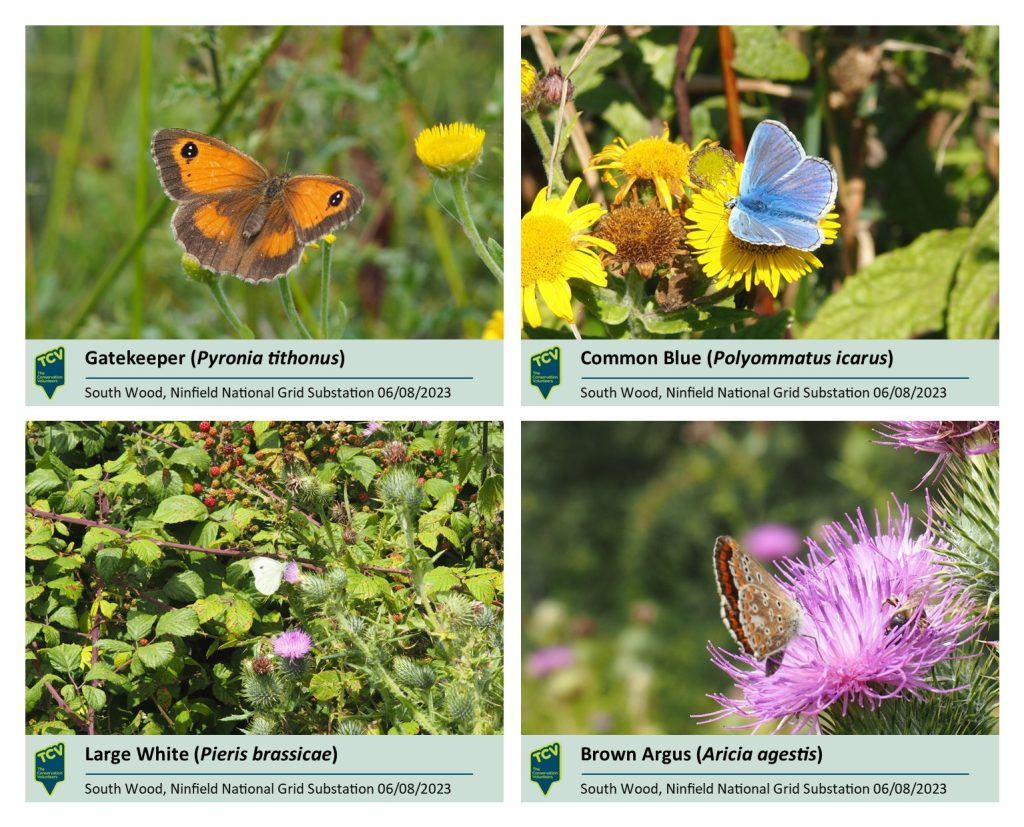
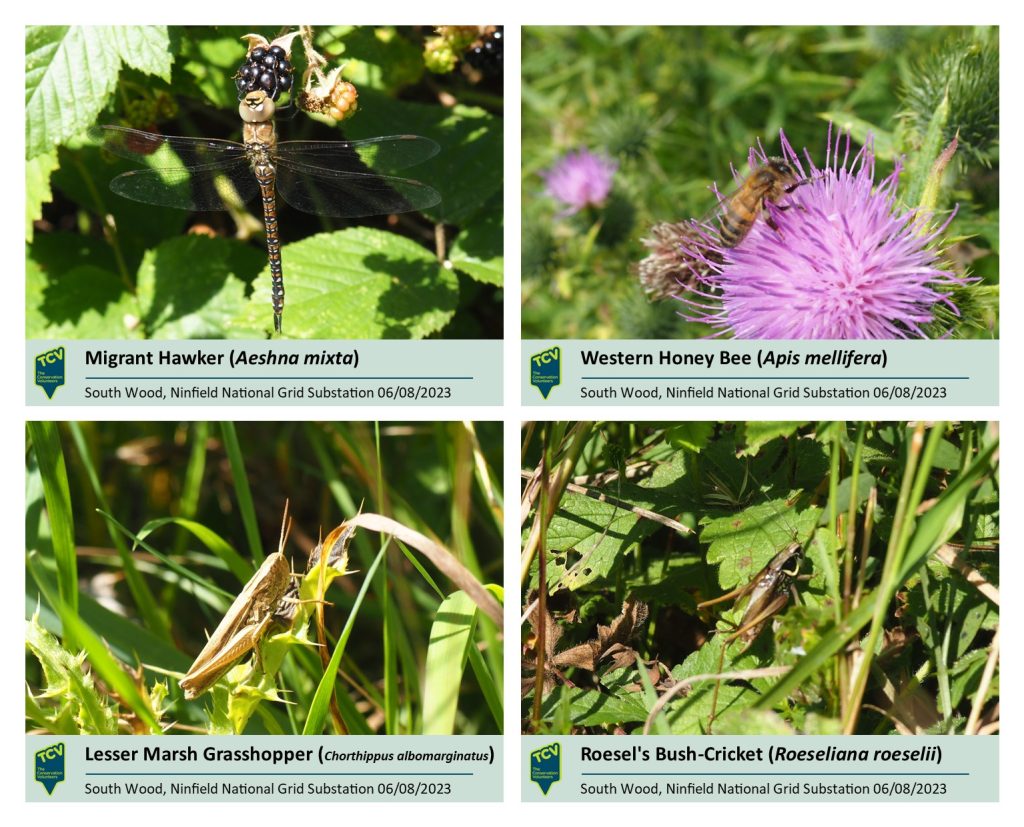
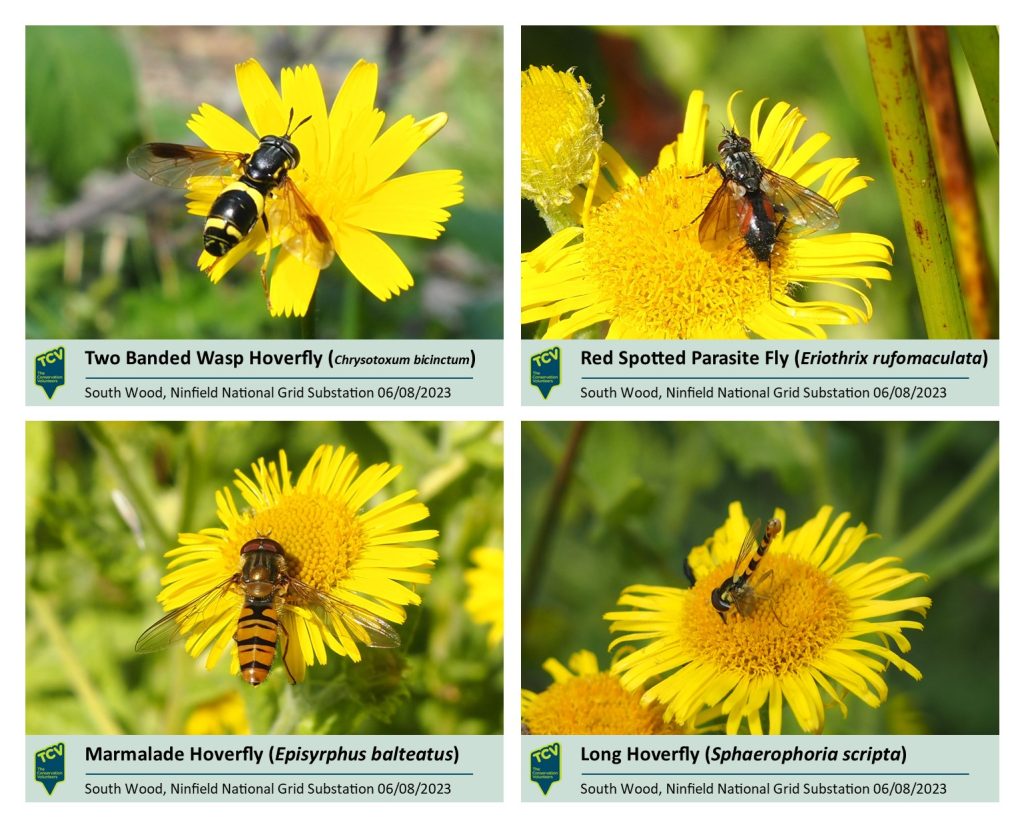
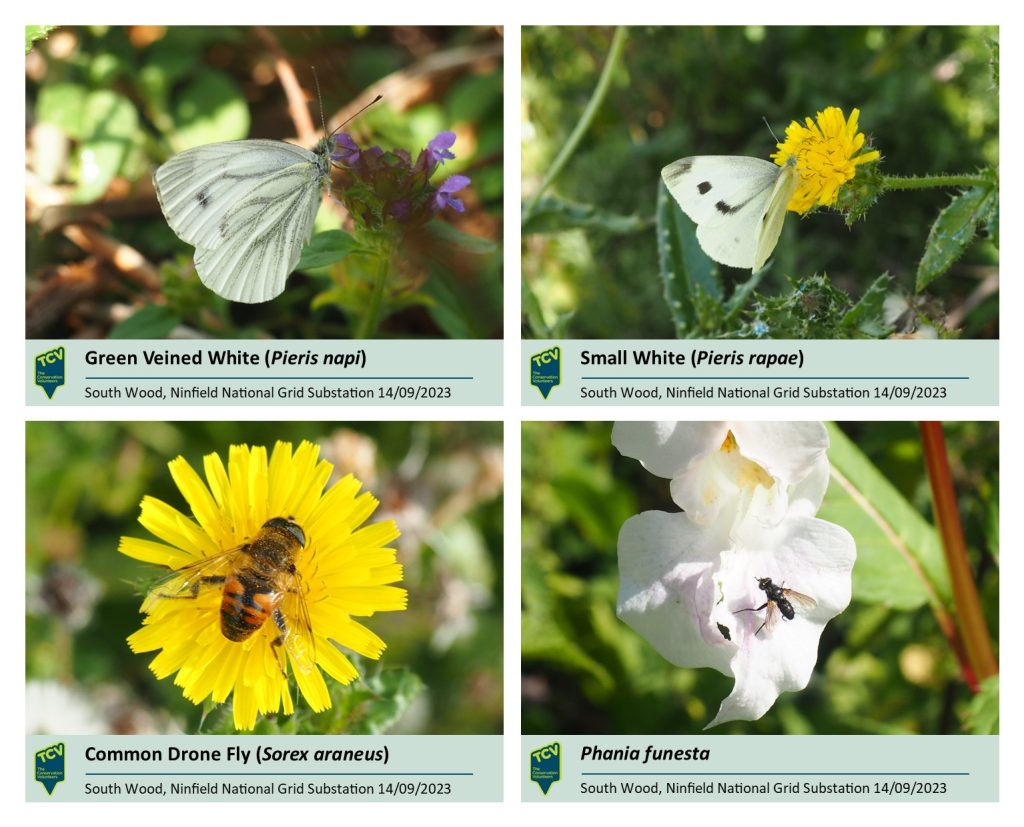
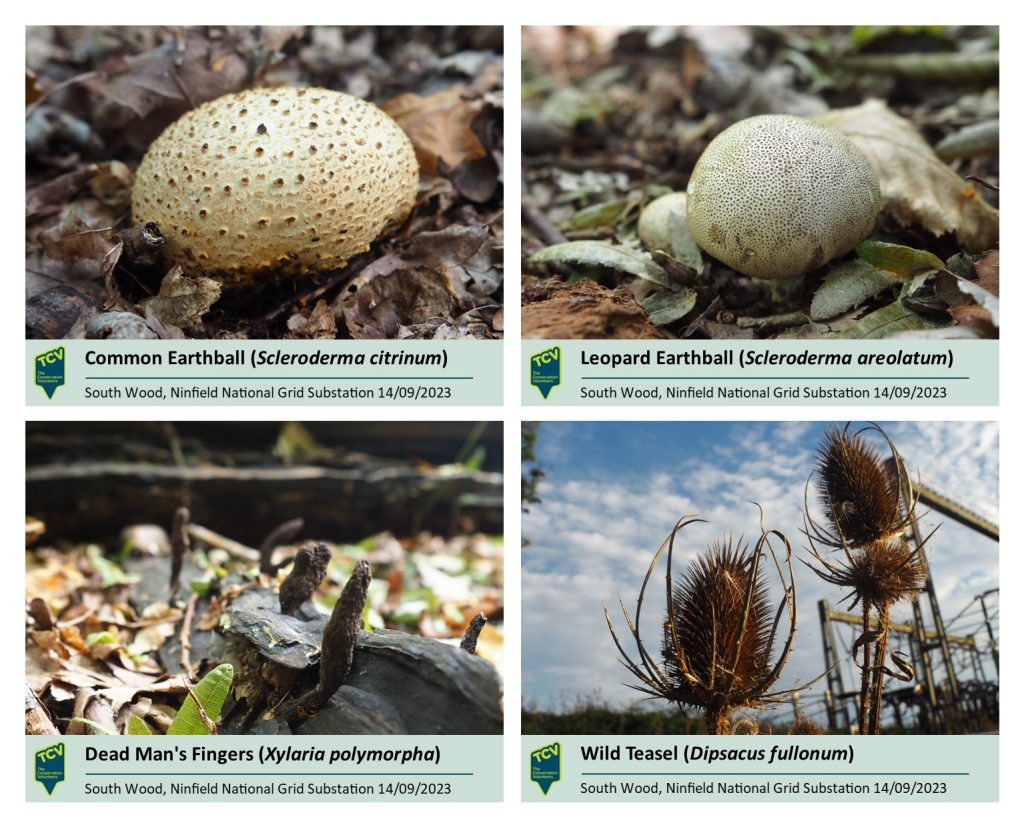
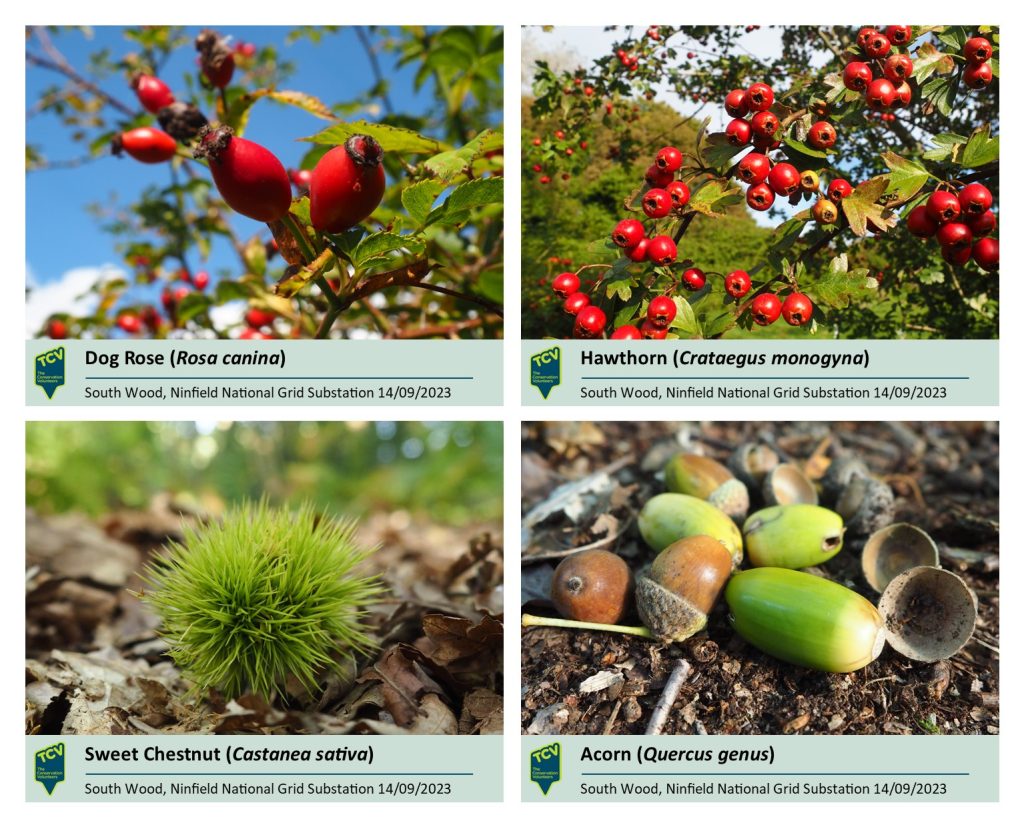
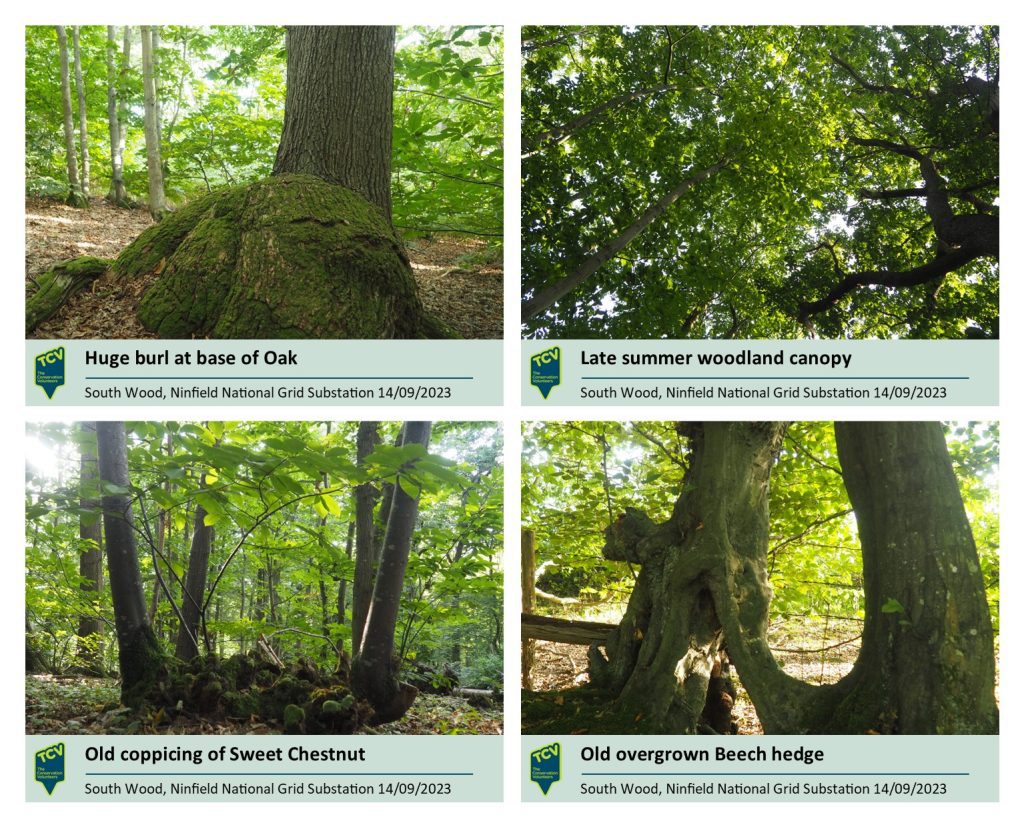
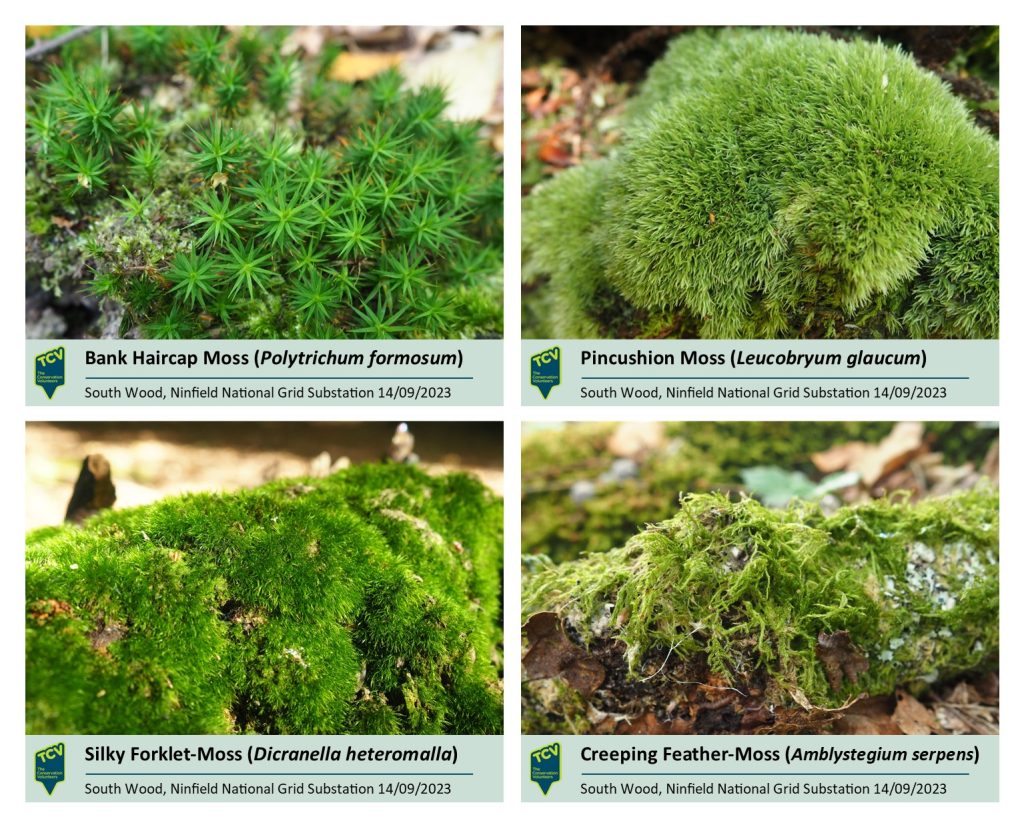
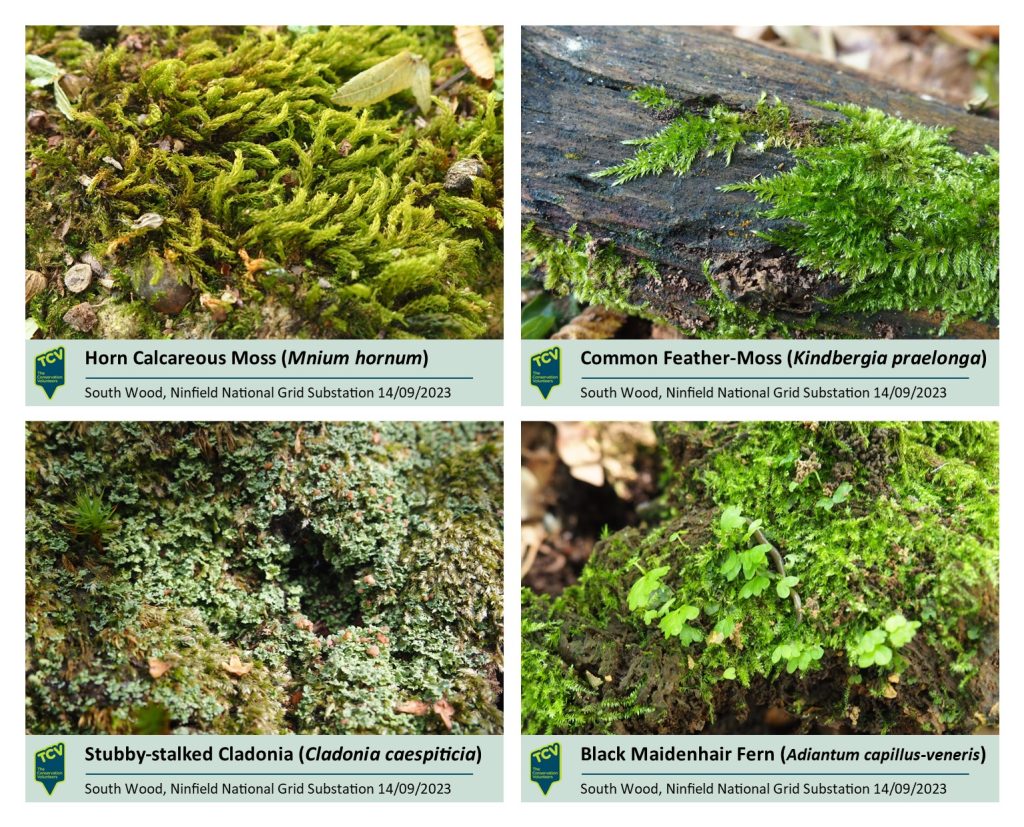
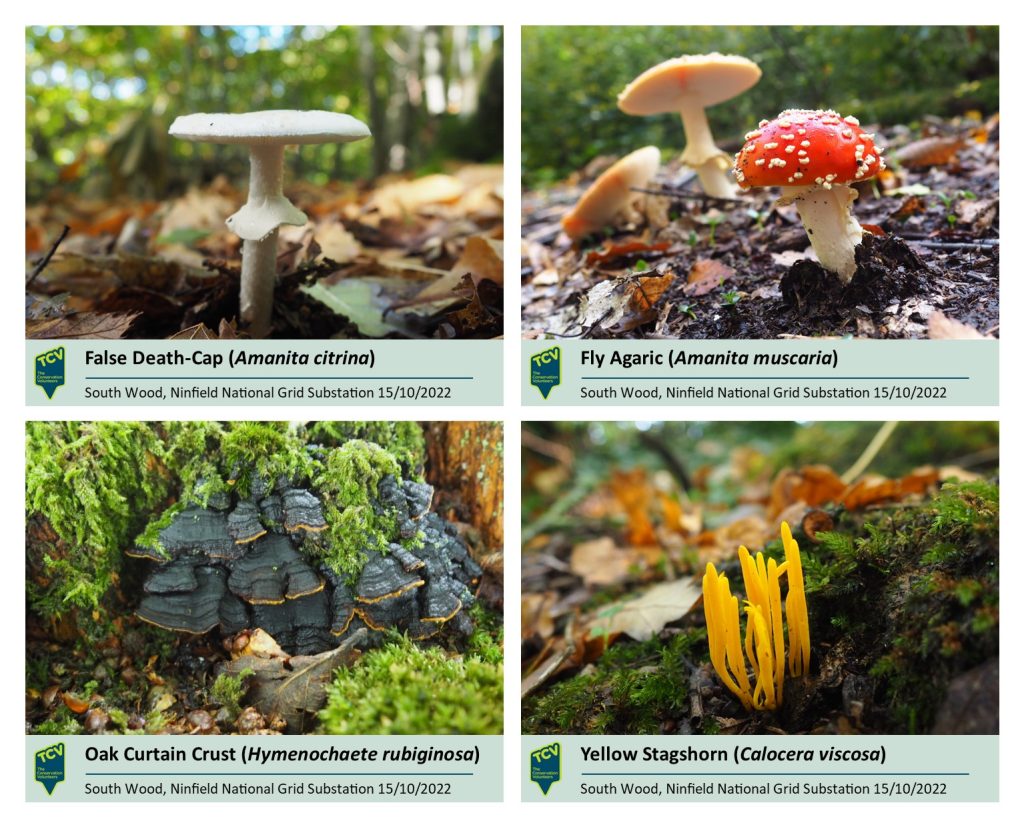
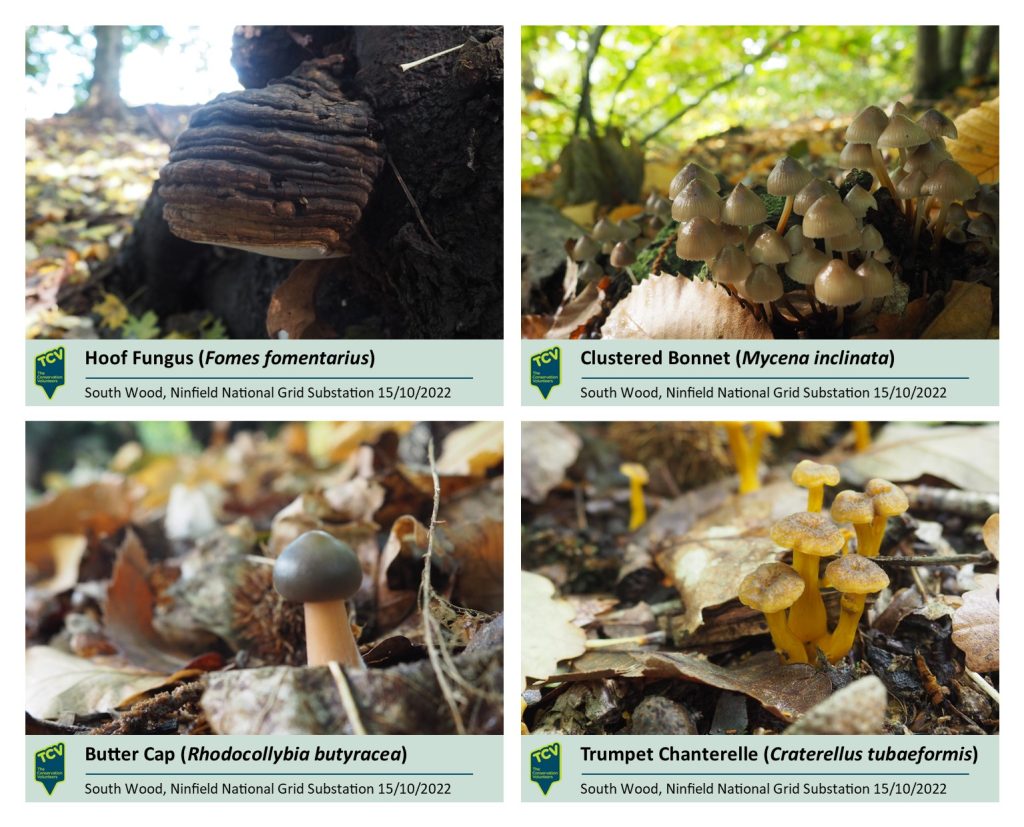
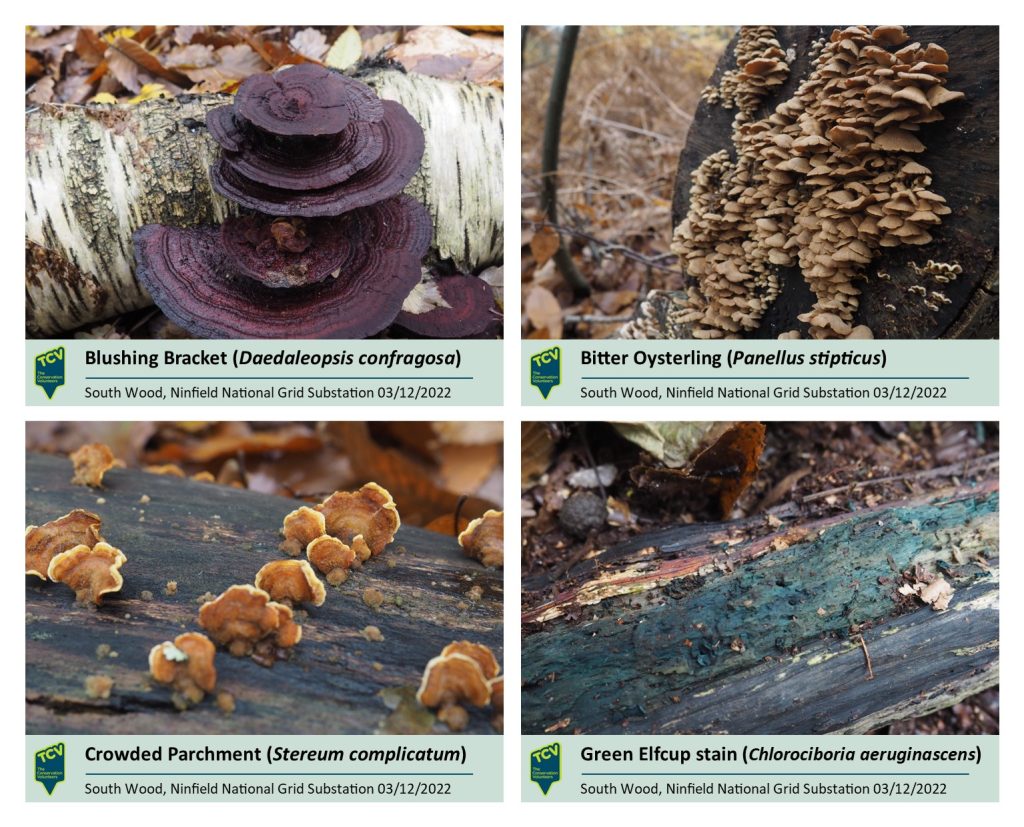
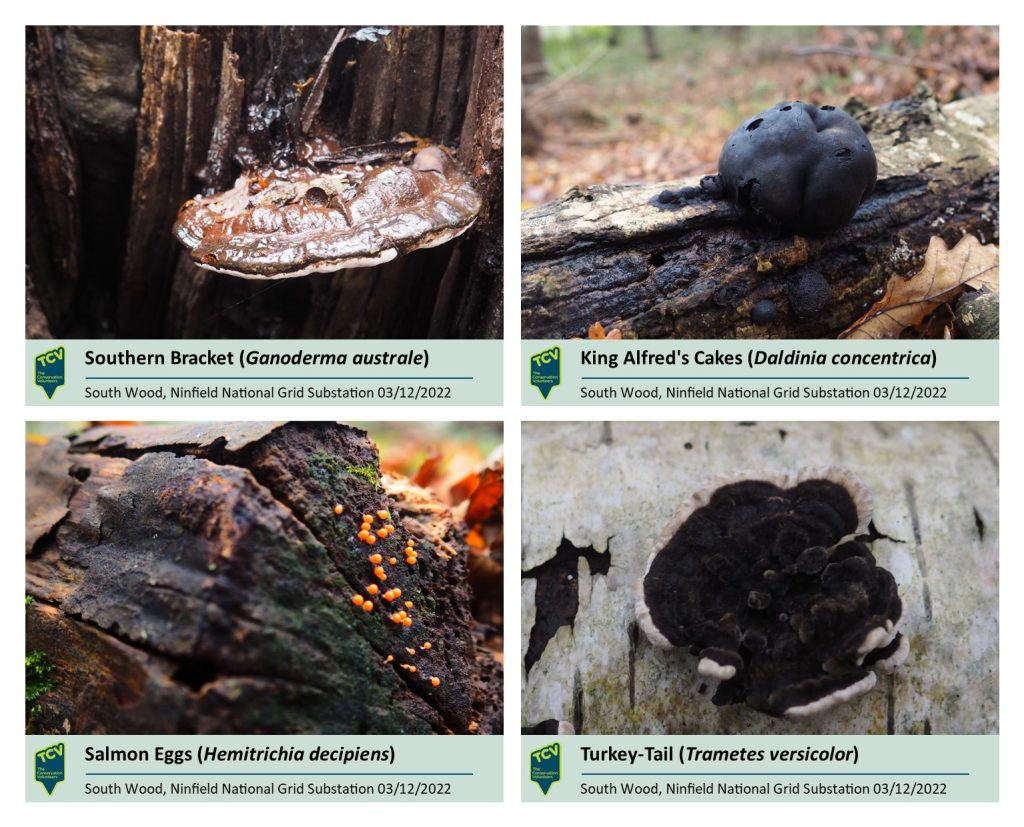
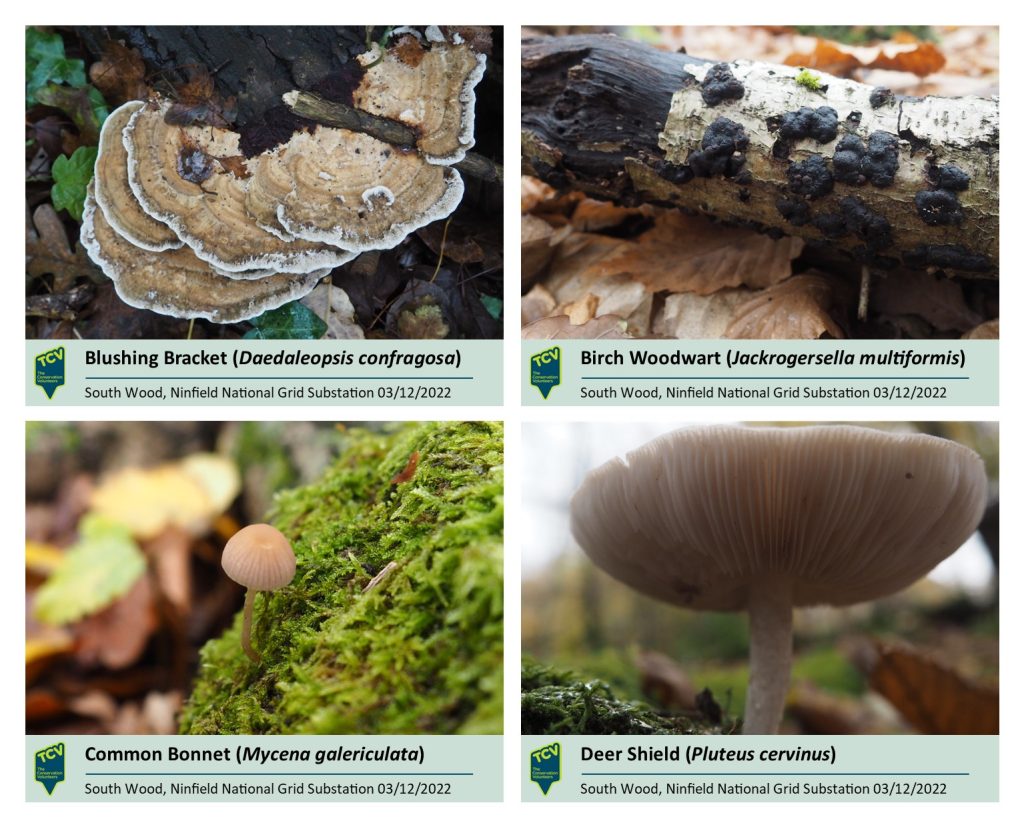
Biodiversity Gallery