At TCV, we know that nature often has an extraordinary capacity to recover or adapt when given the right conditions. Across the UK, our volunteers are helping to protect and restore green spaces, creating healthier habitats for wildlife while connecting people with the natural world through practical conservation action. This work is at the heart of our mission to deliver Better Nature for All.
In a small woodland near Ninfield in East Sussex, that impact is now impossible to miss. Following several years of volunteer-led conservation management, including the restoration of a traditional chestnut coppice rotation, thousands of foxgloves have burst into flower across an area where they had lain dormant. Their spectacular return is a powerful reminder that when people take action for nature, nature responds.
TCV Sussex Team Leader, Lorna Neville, shares the story of South Wood’s remarkable foxglove revival and the conservation work that made it possible…
In a pretty little wood on a tiny rural lane, there has been a massive foxglove revival thanks to the conservation efforts of TCV volunteers. Thousands upon thousands of foxgloves have appeared in a recently coppiced area, dormant for decades but shooting for the sky when the canopy opened and the sun hit the woodland floor.
A neglected woodland with hidden potential
South Wood is on Potman’s Lane in between Ninfield and Catsfield. It belongs to the National Grid, adjacent to the substation plot. In 2022, we started a long-term biodiversity partnership with the Grid to look after it for nature.
There was a bit of an abandoned air when we first took it on. Litter, broken fences, dilapidated benches, tatty, out-of-date signs. A terrible amount of dog mess. The meadow was shrinking as the hedgerows and sycamore spread and the woodland was at risk of being taken over by rhododendron, rapidly expanding and creating dense, dark patches where native wildflowers and birds could not thrive. The opening ecologist assessment described most of the habitat as poor.
Restoring biodiversity through conservation coppicing
After tackling the clutter and the rhodi, another key part of the biodiversity plan was to reintroduce the chestnut coppice rotation. There were sections of wood where previously coppiced trees had become overgrown and overcrowded, standing tall over crispy brown ground with limited biodiversity.
TCV’s Carrie Edmonds and her team of volunteers started in the middle. They marked a block, they carefully cut selected stems and trees, they stacked and processed the timber, and they built deadhedges to protect the new growth from grazing and keep footfall to the paths.
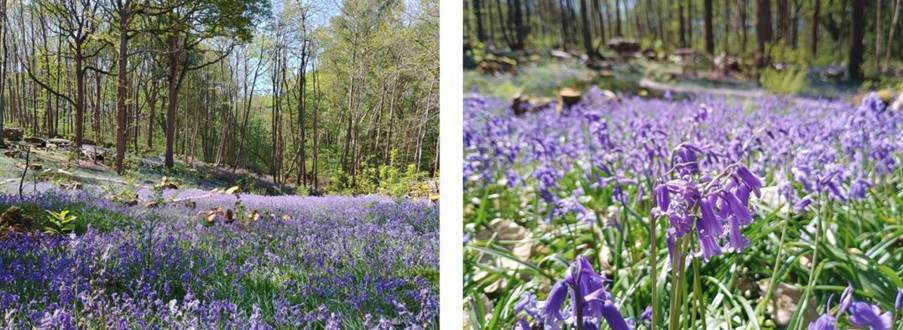
The very next spring, the bluebells had a boom. This was always a bluebell wood but the newly coppiced area suddenly doubled or quadrupled in purple intensity. Walkers kept stopping to tell us they had never seen it as rich and deep, and we were so delighted with the spectacle, we held several work meetings amid the heady mauve carpet.
Thousands of foxgloves waiting for the light
Then this year, as the bluebells started to wilt, we noticed foxglove leaves emerging. We had not seen them in this part of the wood before and as far as we can tell, they have never been recorded on this side of the site.
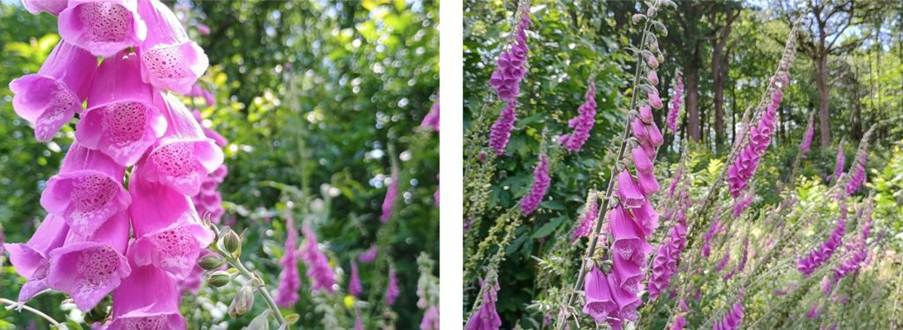
By early June, there was a sea of dark pink spikes, tall and vivid and striking. Thousands of foxgloves, sweeping across the coppice compartment. Some of them towering over me, swaying and dipping with the breeze. There are smaller rosettes underneath so there is every chance the display will keep replenishing throughout the summer.
What the foxglove revival tells us about nature recovery
This legion of foxgloves. This showcase of cerise. This is the result of conservation coppicing. We did not plant these flowers, they were underground waiting for the lure of early summer sunshine. Sunshine which could not make it through the dense woodland crown when the closely packed trees filled with leaves. By thinning the trees, we thinned the canopy. We let light and warmth into a dark spot and have been rewarded with this beautiful surprise.
The chestnut is already re-sprouting to head height, there will be more wood to gather in 15 years. Last winter, Carrie and her team moved to coppicing a second coop and we will wait to see if we trigger another foxglove restoration wave in a season or two.
Or maybe it will be orchids next time, they can stay dormant in the shade for years as well. Reawakening when a tree falls over and lets the light in. Or when a TCV team starts to look after a wood with diligent volunteers, thoughtful planning and sensitive conservation management.
– Lorna Neville, TCV Sussex Team Leader
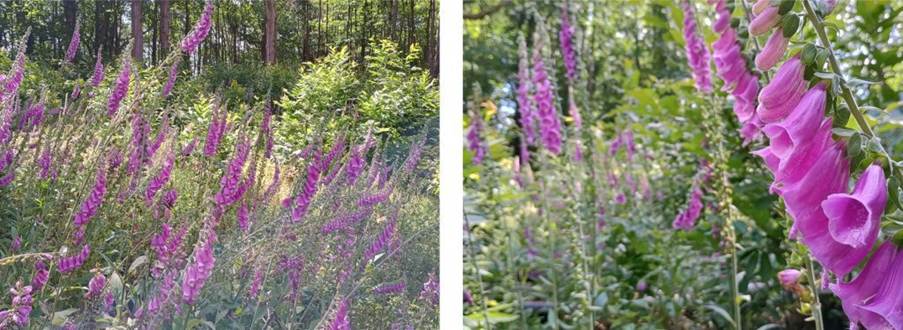
Foxglove (Digitalis purpurea): biennial or perennial UK wildflower; common throughout UK; flowers June to September; does not flower in first year; requires light for germination; valuable source of pollen for bees, especially long-tongued bees such as Carder Bee; containing digitalis, used to treat heart failure and high blood pressure; potentially poisonous if consumed; literary poison such as Agatha Christie’s Appointment with Death (1938); etymology – perhaps “Folk’s Glove” reference to fairies or possibly foxes wearing the gloves on their paws for stealth.
The foxglove revival at South Wood is just one example of the conservation work taking place across the region. Find out more about the projects, volunteering opportunities and partnerships delivered by TCV Sussex.
Stories like this show what’s possible when volunteers, communities and partners come together to care for nature. Across the UK, TCV is helping restore green spaces for wildlife and people, proving that local action can create lasting change for our natural environment.
Keep up to date with the latest news and activities from The Conservation Volunteers by following us on Facebook, LinkedIn, Instagram, BlueSky and YouTube.
You can also sign up to receive TCV’s Greenzine e-newsletter for more ways to get involved.