Autumn is one of the best times of year to plant trees. With warm soil, cooler temperatures and typically wetter weather, young trees have a chance to establish their roots before putting on new growth in spring.
If you’re looking to boost biodiversity in a local green space, school grounds, community garden or neighbourhood project, choosing the right species can make a real difference. Native UK trees and shrubs provide food, shelter and habitat for wildlife while helping communities create greener, healthier places to live.
At TCV, we’ve worked with thousands of community groups to plant millions of trees across the UK through I Dig Trees, helping people take positive action for people and nature. Our tree packs contain carefully selected native species chosen for their biodiversity value and suitability for UK conditions.
Key Takeaways
- Autumn is one of the best times to plant native trees and shrubs because roots can establish before spring growth begins.
- Native UK species provide food, nectar, shelter and nesting habitat for a wide range of wildlife.
- If you’re part of a community group, you may be eligible for a free tree pack through I Dig Trees.
Why Are Native Trees Better for Biodiversity?
Native trees have evolved alongside Britain’s wildlife over thousands of years, making them particularly valuable for insects, birds, mammals and fungi. Many native species support a greater diversity of UK wildlife than commonly planted non-native alternatives because they have developed alongside local ecosystems over long periods of time.
Native trees also help support the insects that form the foundation of healthy ecosystems. These insects, in turn, provide food for birds and other wildlife. Some bird species time their breeding season to coincide with peaks in caterpillar abundance on native trees.
Planting native trees is a practical way to create richer habitats for wildlife while making communities greener and more resilient.
What Are Some of the Most Wildlife-Friendly Native Trees to Plant in Autumn?
Some of the most wildlife-friendly native trees and shrubs to plant in autumn are listed below. Together they provide food, nectar, shelter and nesting habitat for a wide range of UK wildlife…
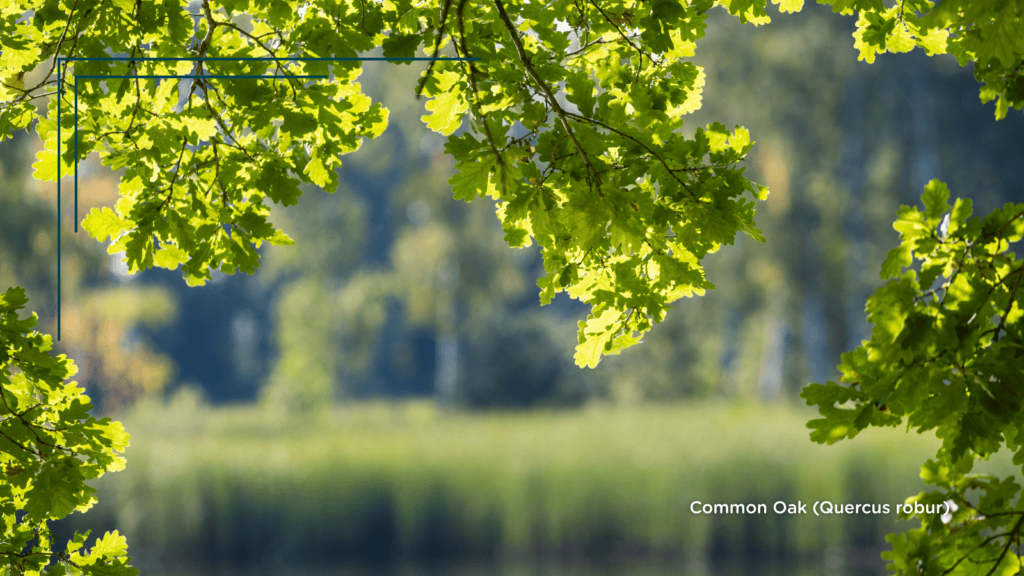
1. Common Oak (Quercus robur)
If there were a crown for Britain’s ultimate wildlife tree, oak would be a strong contender. Oak is widely regarded as one of Britain’s most valuable trees for wildlife, with potential to support thousands of species, from beetles and butterflies to birds, bats and mammals. Their acorns provide food for species including jays and squirrels, while mature trees develop cavities that offer valuable nesting and roosting opportunities.
Although oaks are a long-term investment, their biodiversity value is difficult to match.
Wildlife benefits:
- Supports an exceptional range of wildlife
- Acorns provide food for birds and mammals
- Excellent habitat for insects, bats and nesting birds
Best for: Larger community woodlands, parks and open green spaces.

2. Rowan (Sorbus aucuparia)
Also known as mountain ash, rowan is an attractive native tree that punches well above its weight when it comes to supporting wildlife.
Clusters of white spring flowers attract pollinators, while its vibrant red berries provide an important autumn and winter food source for birds such as blackbirds, redwings and fieldfares.
Rowan remains relatively compact, making it a good choice for smaller planting projects.
Wildlife benefits:
- Nectar-rich flowers for pollinators
- Berries for birds in autumn and winter
- Suitable for smaller sites
Best for: Schools, community gardens and urban green spaces.
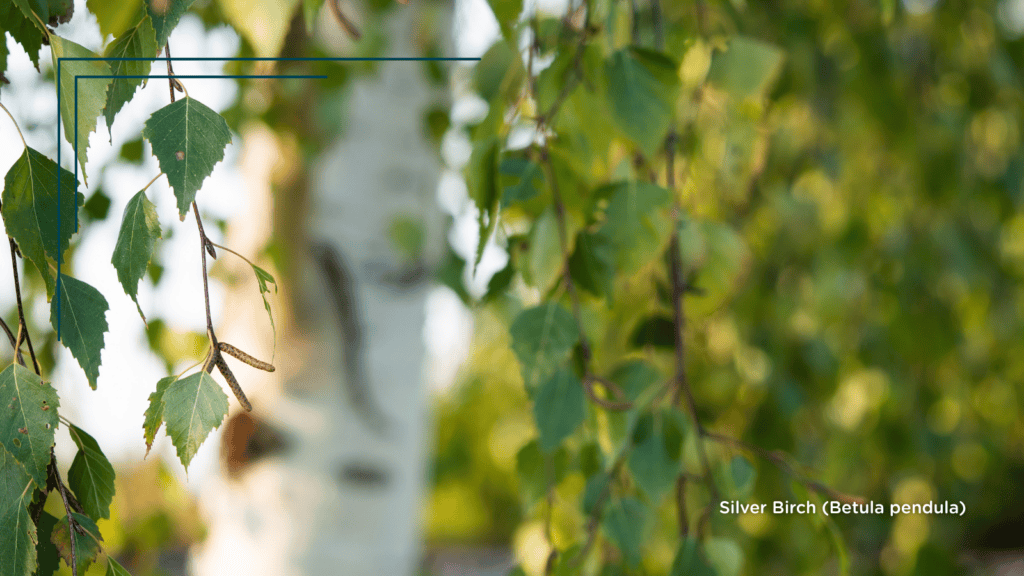
3. Silver Birch (Betula pendula)
Silver birch is one of the UK’s most recognisable native trees, with its distinctive white bark and delicate canopy.
It is particularly valuable for insects and helps create a diverse woodland structure when planted alongside other native species. Its light canopy allows wildflowers and other plants to thrive beneath it, supporting wider biodiversity.
Silver birch is also relatively quick to establish compared with many native broadleaved species, making it a rewarding choice for community planting projects.
Wildlife benefits:
- Supports a wide range of insects
- Provides shelter for birds
- Encourages diverse ground flora
Best for: Community woodlands, pocket forests and nature-rich planting schemes.
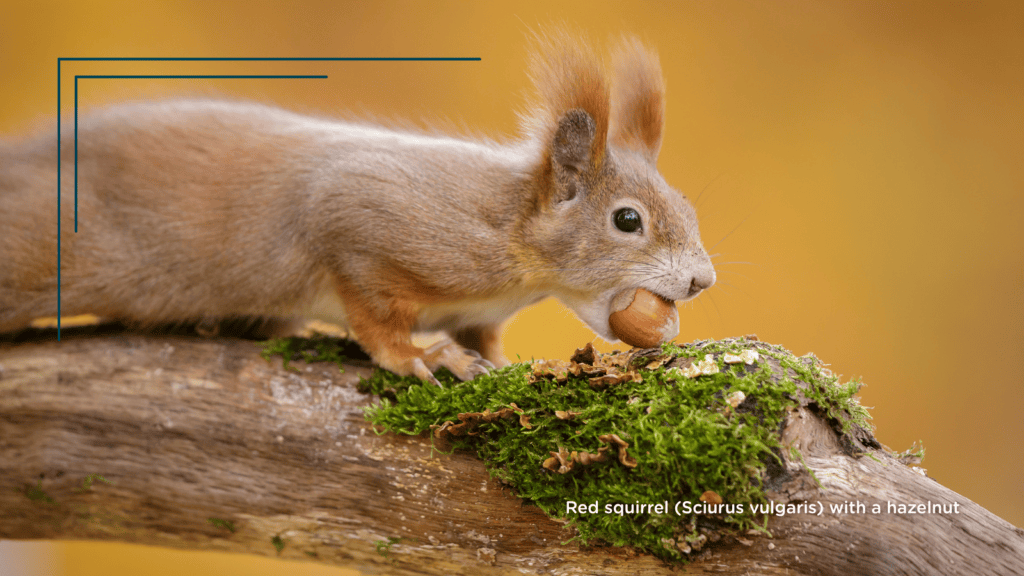
4. Hazel (Corylus avellana)
Hazel is one of Britain’s most valuable native trees for wildlife and a familiar feature of hedgerows, woodlands and green spaces. In late winter, its distinctive yellow catkins provide an early source of pollen when few other trees are flowering. Later in the year, its nuts become an important food source for birds and mammals, including nuthatches, wood mice and squirrels.
Hazel is also strongly associated with dormice, one of the UK’s most iconic native mammals. Dormice feed on hazelnuts to build up fat reserves before hibernation, making hazel-rich habitats particularly important for their survival.
Traditionally managed through coppicing, hazel creates a rich woodland structure that supports a wide variety of wildlife.
Wildlife benefits:
- Early-season pollen for insects
- Nuts provide food for birds and small mammals
- Dense growth offers shelter and nesting opportunities
Best for: Community woodlands, hedgerows and wildlife-friendly green spaces.
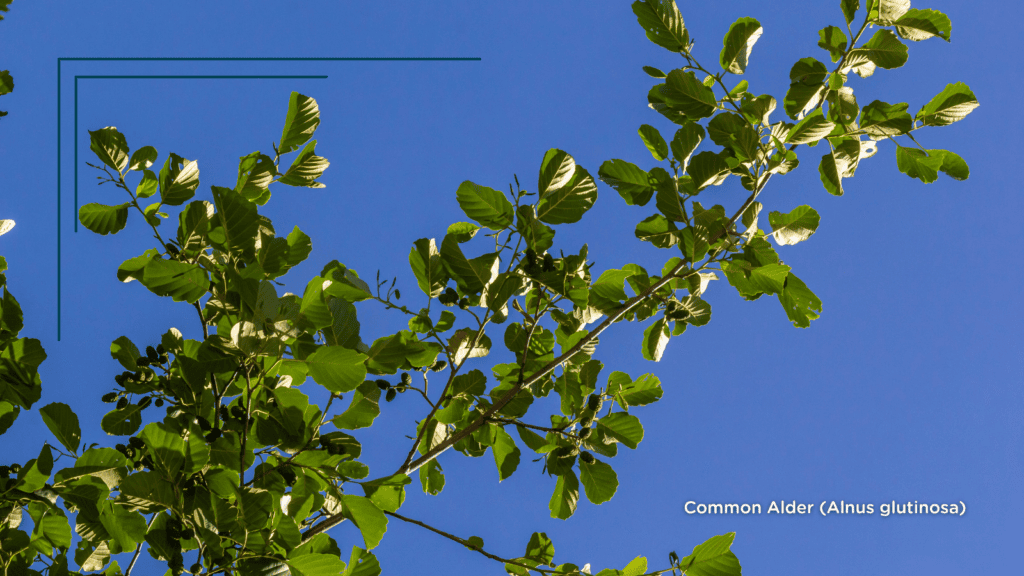
5. Alder (Alnus glutinosa)
Alder is often overlooked, but it is a fantastic choice for biodiversity, particularly in wetter locations.
This hardy native tree supports a variety of insects, including the striking Alder leaf beetle (Agelastica alni), and plays an important ecological role in wet habitats. It can also help improve soil quality and stabilise riverbanks and wetland environments.
If your planting site is prone to damp conditions, alder could be an ideal fit.
Wildlife benefits:
- Supports a range of insects
- Thrives in wet ground
- Contributes to healthy wetland ecosystems
Best for: Wetland habitats, riversides and waterlogged sites.
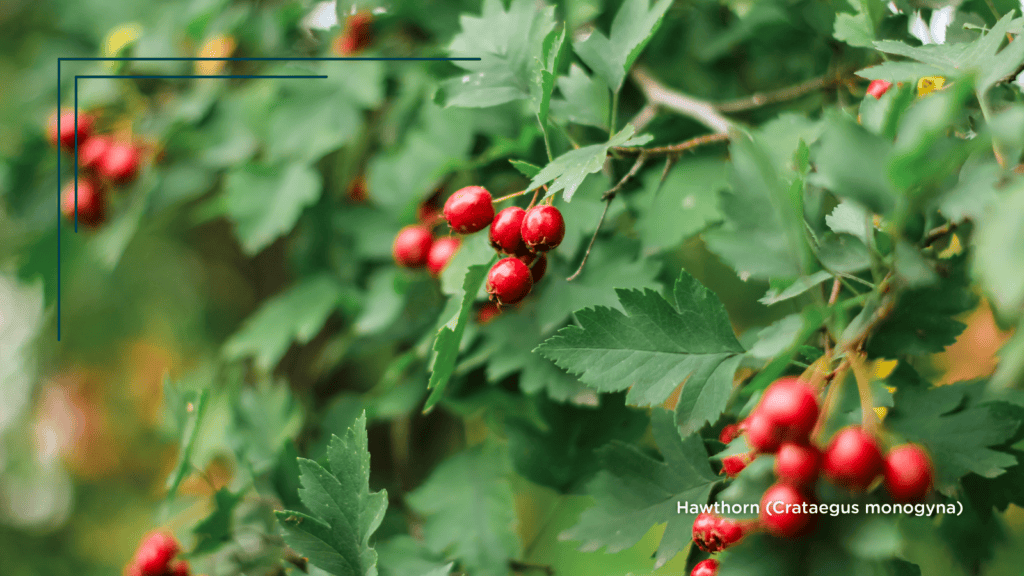
6. Hawthorn (Crataegus monogyna)
Often considered the backbone of traditional British hedgerows, hawthorn is a true wildlife champion.
Its blossom provides a valuable food source for pollinating insects, while its dense thorny growth creates safe nesting habitat for birds. In autumn and winter, its bright red haws provide food for a wide range of wildlife.
Hawthorn is especially useful for creating wildlife corridors that connect fragmented habitats.
Wildlife benefits:
- Spring blossom for pollinators
- Autumn and winter berries for birds
- Dense shelter for nesting wildlife
Best for: Hedgerows, boundaries and wildlife corridors.
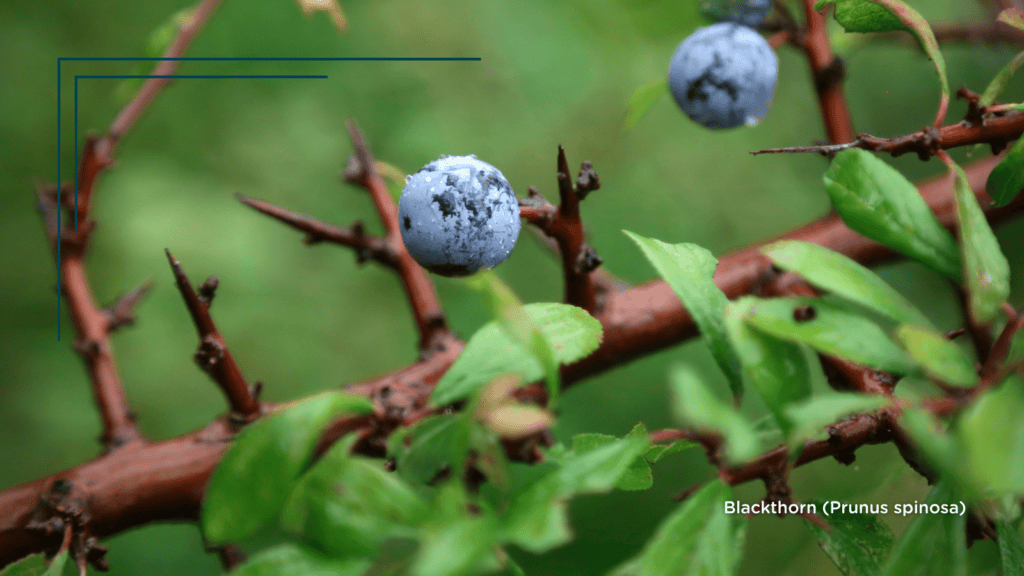
7. Blackthorn (Prunus spinosa)
Blackthorn is among the earliest native shrubs to flower, often producing masses of white blossom before its leaves emerge.
That early burst of nectar can be particularly valuable for pollinating insects when food sources are limited. Later in the year, blackthorn produces sloes, which are enjoyed by wildlife and are familiar to many people as the fruit used to make sloe gin.
Like hawthorn, it creates dense cover that offers shelter and protection for wildlife.
Wildlife benefits:
- Early flowers for pollinators
- Sloes for birds and mammals
- Dense habitat and shelter
Best for: Hedgerows, wildlife projects and community green spaces.
What Trees Attract UK Birds?
If attracting birds is one of your goals, rowan, hawthorn and blackthorn are excellent choices and will attract birds such as blackbirds, redwings, fieldfares, thrushes, starlings, and striking winter visitors like waxwings. Their berries and fruit provide a valuable food source during autumn and winter, while their branches offer shelter and nesting opportunities throughout the year.
Planting a mixture of species can help ensure wildlife has access to food and habitat across multiple seasons.
Is Autumn the Best Time to Plant Trees?
In most cases, yes. Autumn is widely considered one of the best times to plant native trees because soil temperatures are often still warm enough for root growth, while cooler air temperatures and seasonal rainfall can help reduce stress on young trees.
October and November are particularly popular months for planting bare-root trees. This allows trees to establish their root systems during the dormant season, helping them get off to a stronger start when growth resumes in spring.
That’s why many community tree planting projects take place between autumn and early spring. Winter is also fine for planting if you are growing bare-root trees and the ground in your area remains soft enough to dig!
Quick Tree Planting Tips for Success
Once you’ve chosen your species, a little planning and aftercare can make a big difference.
Before planting, take time to consider the mature size of the species and the conditions on your site. Choosing the right tree for the right place helps ensure healthy growth and long-term benefits for wildlife.
A few simple steps can improve tree survival rates:
- Water trees during prolonged dry spells, especially in their first few years.
- Protect young trees from accidental damage with canes and guards.
- Apply a generous layer of mulch around the base of the tree.
Mulching is particularly important because it helps retain moisture in the soil and reduces competition from weeds. During periods of drought, well-mulched trees are often better able to survive because more moisture remains available around their root systems.
For more tips on helping young trees thrive, watch our tree planting and aftercare guides:
Looking for More Native Tree Ideas?
The species above are just a small selection of the native trees and shrubs available through I Dig Trees. Explore the TCV Tree Library to learn more about the trees we offer, the habitats they suit and the native wildlife they support.
Looking to Plant Trees in Your Community?
Whether you’re creating a wildlife-friendly green space, planting a new hedgerow, establishing a community woodland or greening up a local park, native trees can provide benefits for decades to come.
If you’re part of a community group, you may be eligible for a free tree pack through I Dig Trees.
Our tree packs are carefully curated using native species selected to support biodiversity, thrive in UK conditions and help communities create lasting benefits for people and nature.
Find out more and register your interest in free trees here: https://www.tcv.org.uk/idigtrees
Keep up to date with the latest news and activities from The Conservation Volunteers by following us on Facebook, LinkedIn, Instagram, BlueSky and YouTube.
You can also sign up to receive TCV’s Greenzine e-newsletter for more ways to get involved.