Create a thriving space for people and nature, get practical before the rush of spring, and discover year‑round ways to join in with TCV.
Key takeaways
- Focus on wildlife‑first winter and early spring prep: protect habitats while tackling paths, raised beds, and essential repairs.
- Use permaculture principles to work with nature, not against it, so your plot stays productive and biodiverse through the seasons.
- There are TCV volunteering opportunities all year. Explore TCV activities near you to join in, feel good while creating better nature for all.
A people-powered head start for nature
Before spring bursts into life, there is a golden window to prepare your garden, allotment or shared green space. The right jobs now set you up for easier growing, safer access and richer habitats when wildlife wakes up. At The Conservation Volunteers, we connect people with nature across the UK through practical action that improves green spaces and wellbeing, from community gardens and meadows to woodlands, ponds and Sites of Special Scientific Interest (SSSIs). Together, we create lasting benefits for people and the environment. If you are ready to roll up your sleeves, this guide will help you plan the work that matters and show how you can get involved locally.
TCV’s strategy centres on protecting and restoring local environments, empowering people to take action for nature, improving wellbeing in the process, and developing green skills. And guess what? These are exactly the outcomes these pre‑spring tasks support!
What should I do in late winter to help wildlife and get ready for spring?
Late winter is the moment to balance two priorities: keep vital shelter and food for overwintering species, and quietly line up the practical improvements that will make the busy spring and summer seasons safer, more efficient and, most importantly, more wildlife-friendly.
Start with a simple plan:
- Sequence tasks. Break up tasks into achievable parts (this helps you to focus on the task at hand too). Perhaps plan to do hard landscaping first in the winter, then move to gentler tidy-ups as wildlife gradually becomes active.
- Walk the site. Note slippery or muddy sections of paths, broken edging, leaning fences, wobbly steps, unstable compost bays and leaking water butts. Prioritise safety and then access.
- Map habitats. Mark where seed heads, hollow stems, leaf piles, log stacks, hedges and pond margins are providing cover. Leave these intact until temperatures rise consistently and you see insect and amphibian activity increasing.
Wildlife-friendly tidy-ups: what to leave and when to act
A nature‑positive “tidy” leaves space for life to complete its winter cycle.
Leave until the last sensible moment:
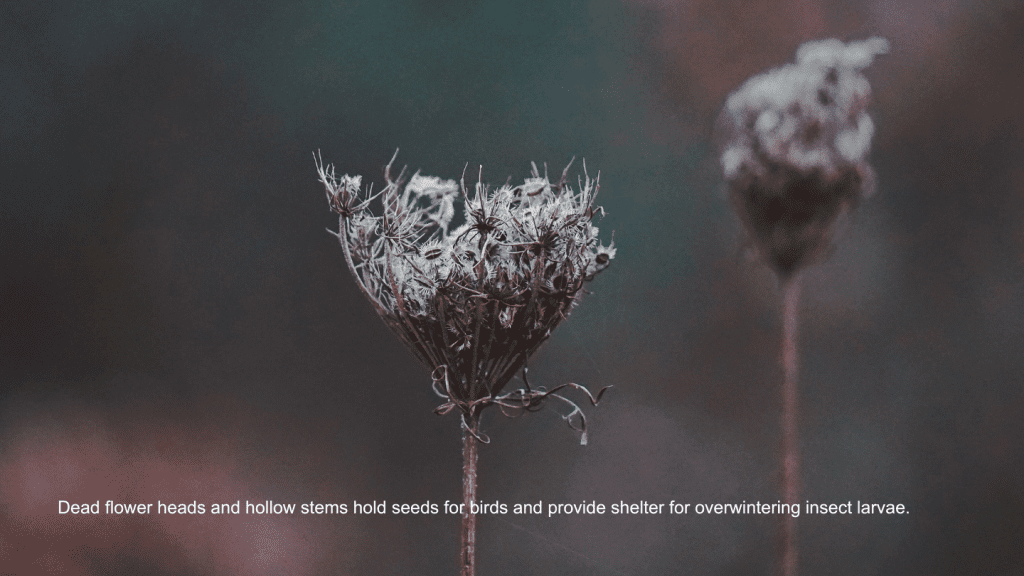
- Dead flower heads and hollow stems on plants such as teasel, echinacea and sedum. They hold seeds for birds and shelter for overwintering insect larvae. Cut back gradually once you see fresh basal growth and consistent mild temperatures.
- Leaf litter and log piles in quiet corners. These protect beetles, solitary bees, hedgehogs and amphibians. Lift or redistribute only after checking gently for hiding wildlife.
Act now, with care:
- Remove invasive weeds (where you simply can’t tolerate them), like ground elder or bindweed rhizomes, where you can reach them without disturbing hibernation spots. Lift small sections at a time and lay any resulting debris on a tarp for a short while so anything hiding can crawl back to safety.
- Prune fruit trees and currants on suitable dry days to reduce disease spread and shape for better light and airflow. This supports both wildlife and crop health.
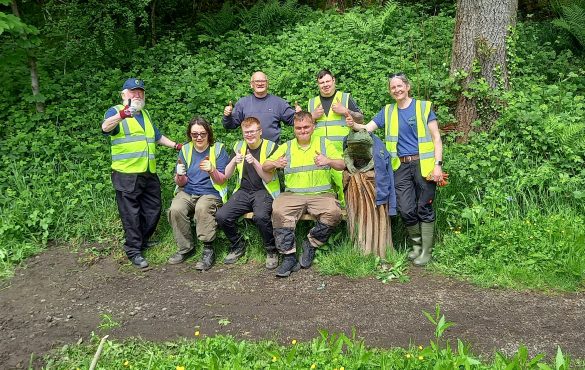
Volunteers often learn these practical skills side by side on TCV sessions, steadily building confidence and green knowledge in the process.
I did a course where I try to learn what trees look like in the winter months, how to cut branches down correctly, what tool to use and what safety equipment I need to wear for the job … I can’t get enough of how much TCV has given me, wish I had done this about 20 years ago.
Dianne, TCV Volunteer
Paths, access and raised beds: the hard‑landscaping jobs that make spring easier
Good access is a gift to volunteers, visitors and wildlife‑friendly growing. Late winter is ideal for improvements because vegetation is low and soils are visible.
Prioritise these tasks:
- Repair and resurface paths. Re-establish level, permeable surfaces with woodchip, compacted hoggin, or recycled aggregates. Add edge restraints and shallow cambers to shed water. Safer, drier paths reduce slips and keep footfall away from delicate soil life and adjacent habitats.
- Define desire lines. If people have created informal routes, formalise them with stepping stones, boardwalks or woodchip to reduce trampling of beds and wild corners.
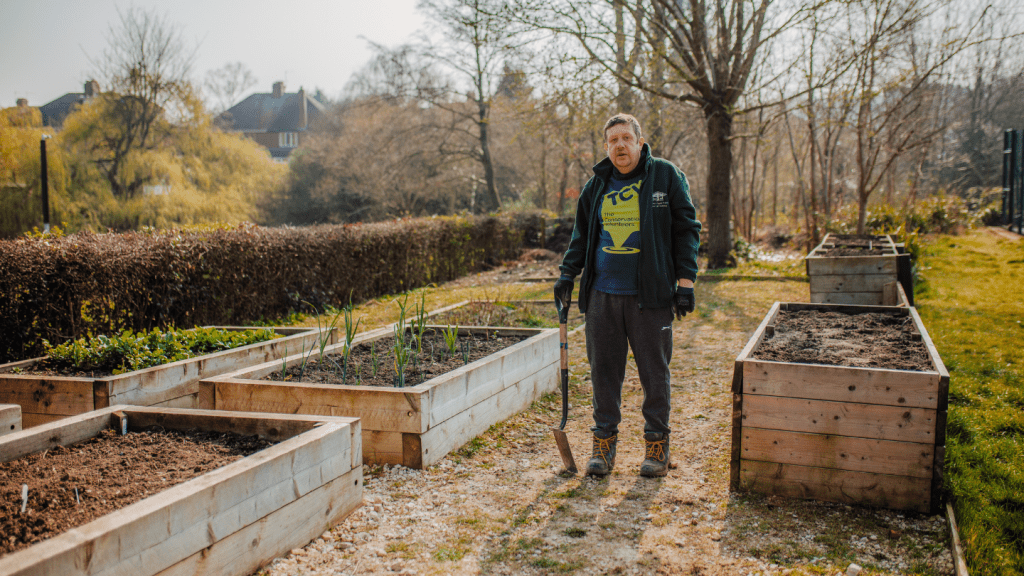
- Fix raised beds. Replace rotting boards, check fixings, refresh soil structure with homemade compost, and top up with a wildlife‑friendly leaf mould mulch. A well‑edged bed is safer to access and better for your soil, if it means you don’t disturb it.
- Assess structures. Tighten shed anchors, tune guttering into water butts, check polytunnel skins and door frames.
Clean and service your gardening hand tools
Taking a little time now to look after your tools will make every job easier once spring arrives. Well‑maintained tools are safer, last longer and help you work more efficiently.
A simple winter tool‑care routine:
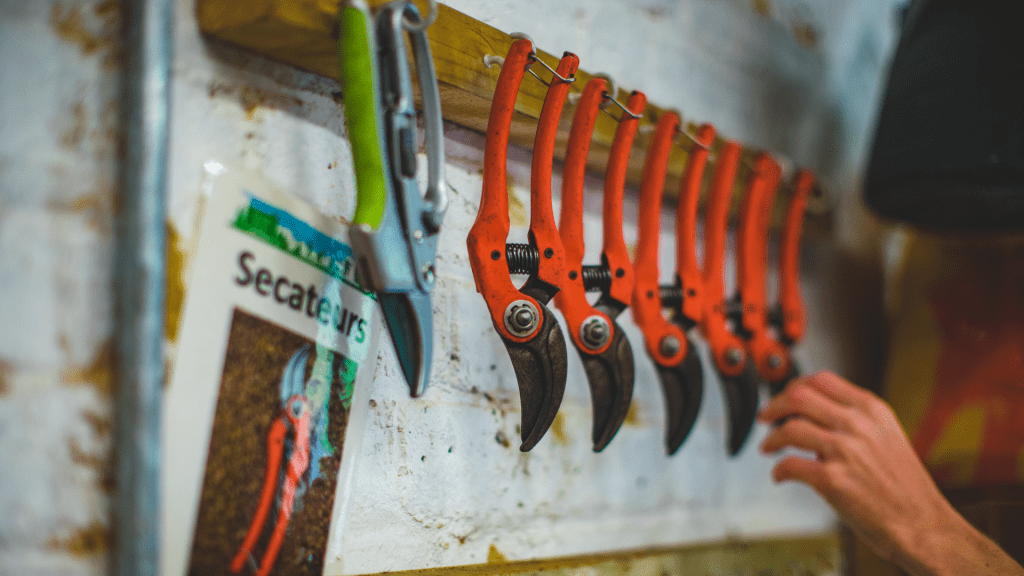
- Clean off soil and sap. Use a stiff brush and warm water to remove dried mud, grit and plant material. Sap on blades can cause sticking, so gently scrub it away before drying thoroughly.
- Dry and oil metal surfaces. Moisture left on tools over winter encourages rust. Wipe blades and metal parts with an oiled cloth. A light coating of vegetable oil or tool oil keeps mechanisms moving smoothly and protects from damp.
- Sharpen cutting tools. Secateurs, loppers, shears and hoes work far better with a sharp edge. A few careful strokes with a sharpening stone improves cutting accuracy, reduces strain and helps you make cleaner cuts that heal better on plants.
- Tighten bolts and check handles. Look for loose fixings, cracked handles or splinters. Wooden handles benefit from a rub of linseed oil to keep them strong and comfortable to use.
- Store tools correctly. Hang tools off the ground or keep them in a dry shed with good airflow. Grouping tools together also makes organising a volunteer session much smoother.
For many volunteers, learning these practical skills is part of the TCV experience, and caring for your tools through the quieter months means you start spring with kit you trust, ready to get stuck into the fun, nature‑positive tasks ahead. These hands‑on jobs help improve local green spaces in towns and cities and support communities to welcome more people to connect with nature.
Allotment and food‑growing prep with a wildlife lens
Food‑growing spaces can be biodiverse havens. Thinking like a habitat manager now makes for healthier soil, fewer pests and better yields later.
Core actions:
- Soil first. Lay a 4–7 cm organic mulch on bare beds to protect soil life, suppress early weeds and lock in winter moisture. Avoid digging unless you have a specific compaction issue. Mulch mirrors a wild, balanced ecosystem floor, a simple principle that supports fungi, worms, and microbes.
- Plan a polyculture. Interplant early crops with pollinator-friendly companions. For example, underplant brassicas with calendula, whose flowers attract natural predators of aphids such as lacewings and ladybirds, and plant clumps of early flowers like crocus along bed edges to feed awakening pollinators.
- Seed organisation. Take stock of what you have and what you need and prioritise hardy sowings under cover. Efficient planning helps reduce waste and cost. You could also organise a seed swap with the local community to cut costs, meet people and prevent surplus seeds going past their best-before date.
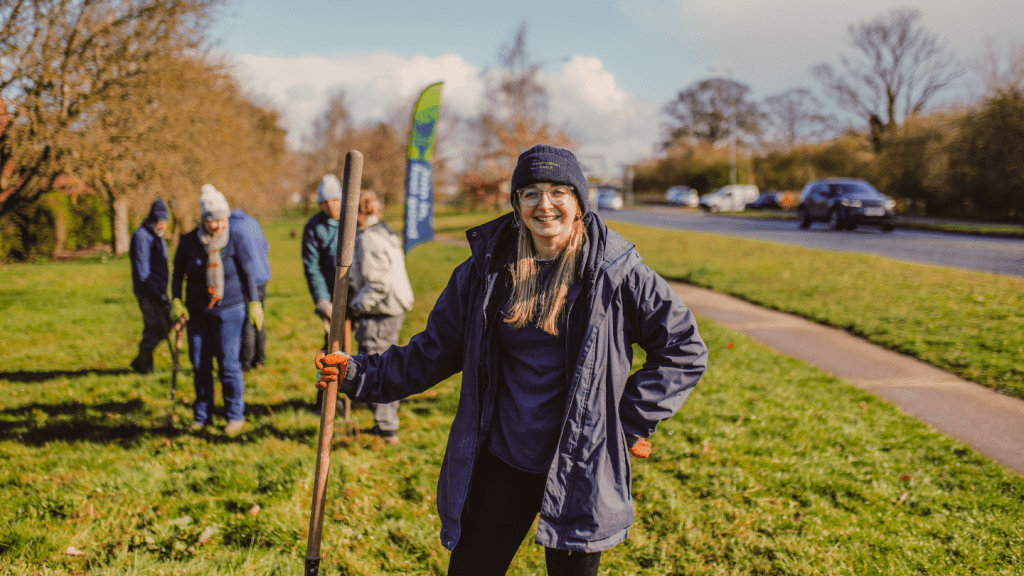
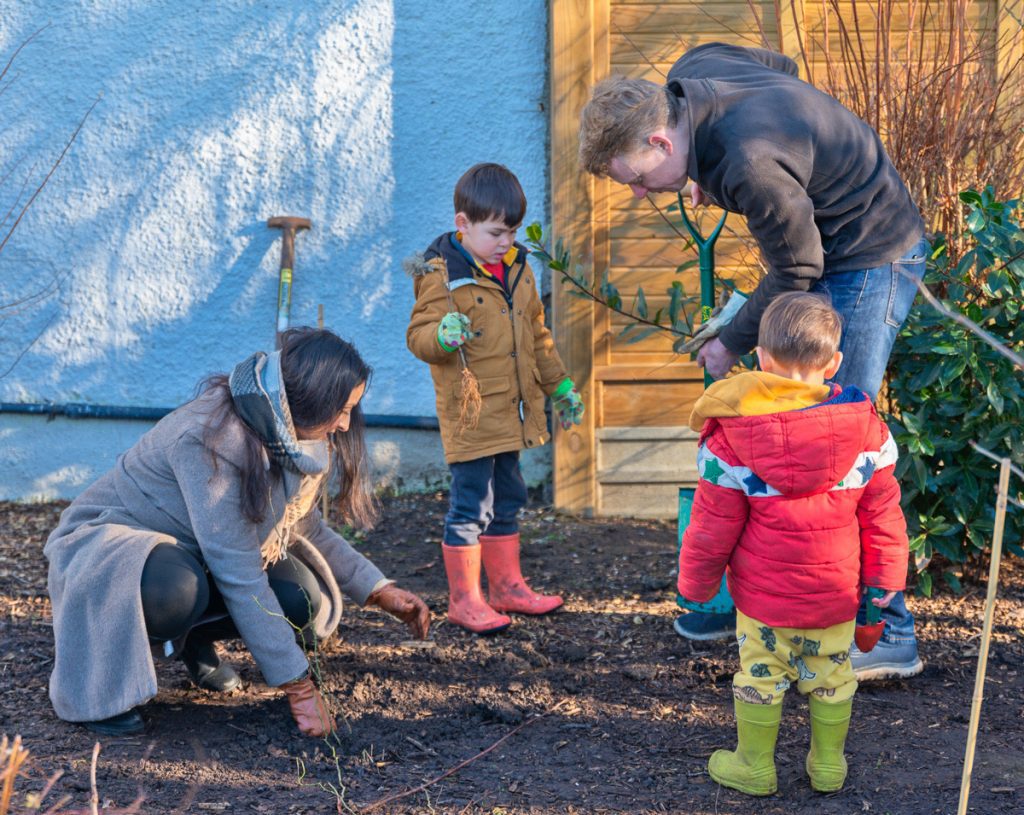
- Plant dormant trees. Tree planting season runs through the colder months, right up until spring arrives, making this the final chance to get dormant trees into the ground. Planting now gives roots time to establish before warmer weather and supports long‑term biodiversity and shelter in food‑growing and community spaces. If you want to bring more nature into your area, TCV’s I Dig Trees programme offers free native trees for community groups across the UK, helping create new habitats and strengthen local green spaces.
Habitat care: hedges and wild corners
Small, timely interventions now create safer, richer habitats for the year ahead.
Hedges
- Tidy hedges lightly, aiming to complete any significant cutting before birds begin nesting. Keep a messy margin at the base where clippings, leaves and small logs can provide shelter for amphibians and invertebrates.
Wild corners
- Create or refresh log piles, dead hedges, brush stacks and mini meadows in unused patches. These microhabitats are quick to set up during winter and pay dividends for beetles, solitary bees, lacewings and small mammals throughout spring and summer.
Permaculture principles to guide your decisions
Permaculture is about designing with nature, so your space becomes more productive, resilient and low-maintenance over time. Three simple ideas to use now:
- Observe and interact. Spend time watching winter water movement, frost pockets, wind tunnels and sun paths so you site beds, hedges and habitats where they will thrive.
- Catch and store energy. Harvest rainwater, compost onsite, and retain organic matter as mulch. You are banking fertility and moisture before the growing season.
- Integrate rather than segregate. Mix flowers with food, keep wild corridors between veg plots and link habitats so species can move safely.
Why this matters: people, places and purpose
At TCV, we believe local action can inspire national change. Every repaired path, maintained raised bed and carefully tended pond turns a green space into a safer, more welcoming, biodiverse place. That matters for nature and for people. Our strategy commits us to protecting and restoring local environments, empowering more people to take action for nature, improving wellbeing through connection to green spaces, and building practical green skills at scale.
Volunteering with TCV offers a warm welcome, expert guidance, the kit you need to stay safe, and a friendly team to learn with. It is a practical way to improve your confidence, fitness and mental wellbeing while helping your local environment.
There are year‑round opportunities to join in with TCV, from community gardens and Green Gym to habitat management, paths and pond care. Explore TCV activities near you and join in, feel good, and help create better nature for all.

Keep up to date with the latest news and activities from The Conservation Volunteers by following us on Facebook, LinkedIn, Instagram, BlueSky and YouTube.
You can also sign up to receive TCV’s Greenzine e-newsletter for more ways to get involved.