Key Takeaways
- Small, practical changes can significantly increase biodiversity in UK towns, cities and green spaces
- The most successful projects connect nature recovery with community benefit
- Community-led action is essential for delivering Local Nature Recovery Strategies and lasting impact
- TCV supports councils and groups through free trees, volunteering, training, and inclusive programmes that help people and nature thrive together
The challenge is clear. Nature is declining, yet the opportunity is equally powerful. Community biodiversity action can help reverse this trend while strengthening wellbeing, climate resilience and local pride.
Take a walk through any town or city, and you will start to notice it. A verge full of wildflowers. A newly planted hedgerow. A group of volunteers bringing a green space back to life.
These are not distant, large-scale solutions. They are local, visible and often led by councils and community groups working together.
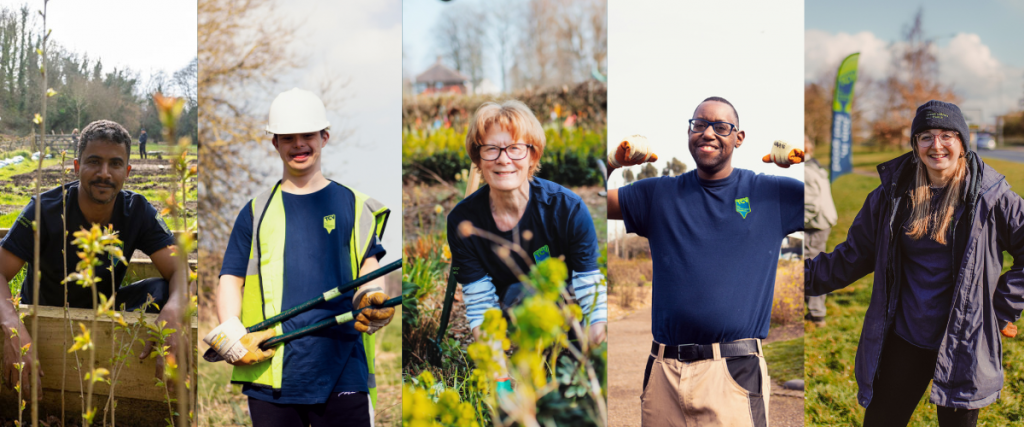
At The Conservation Volunteers (TCV), we see every day how practical, people-powered projects can transform places and lives. Whether it is planting trees, restoring habitats or engaging volunteers, local action adds up to national impact. When people are given the opportunity to take part in nature, spaces improve, skills grow and communities feel more connected.
Across the UK, councils and community groups are at the frontline of protecting and restoring nature. From urban parks and housing estates to schools and roadside verges, local places hold enormous potential for increasing biodiversity.
Here are ten ways to get started, with practical steps you can take now…
1. Start by making space for nature
One of the simplest ways to boost biodiversity is to give nature a bit more room to breathe.
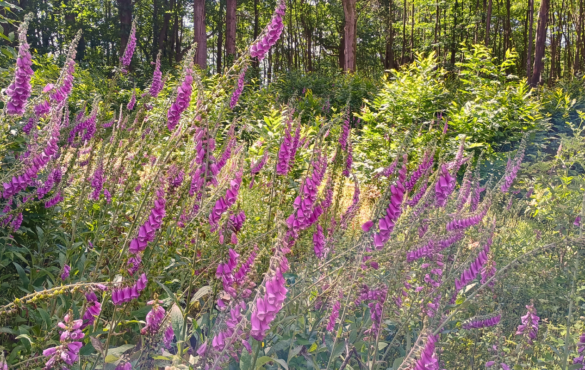
By reducing mowing in selected areas, wildflowers and grasses are given the space to establish. Invertebrates return quickly, helping to rebuild the food chain and support a wider mix of species over time.
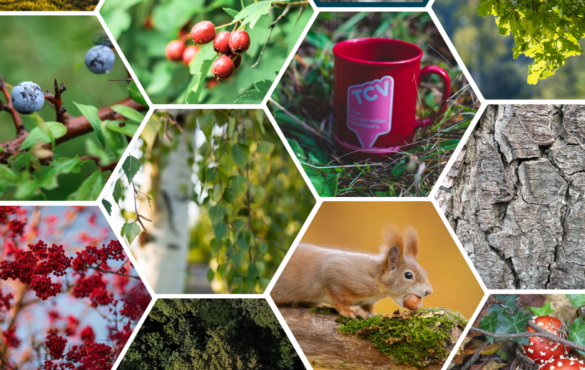
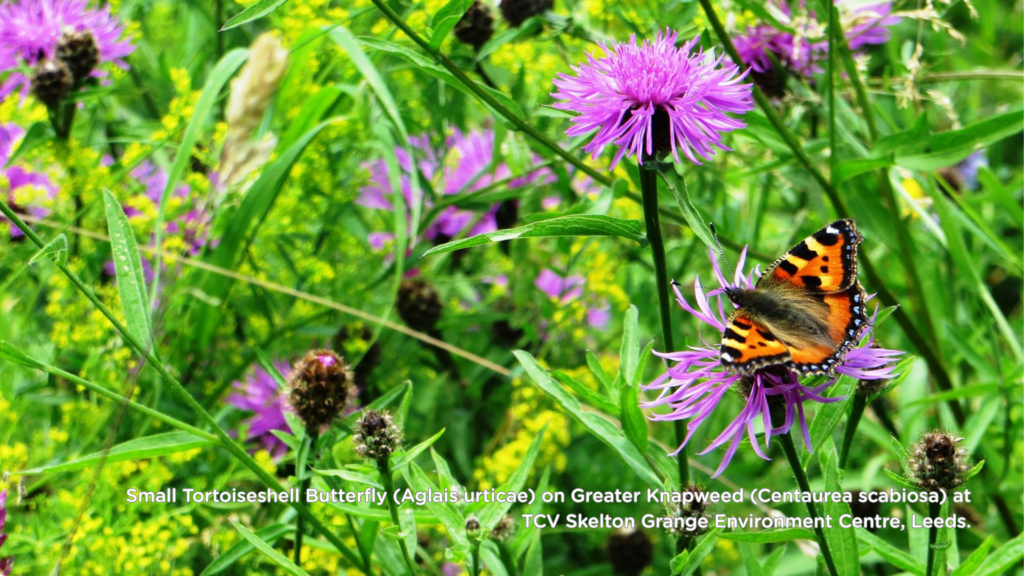
Wildflower meadows are not only visually striking, they provide vital food and shelter for pollinators like bees and butterflies, as well as small mammals and a variety of birdlife.
If you are thinking about creating your own, TCV’s step-by-step guide to creating a wildflower meadow offers practical advice to help you get started. It does not need to be everywhere. A park edge, a verge or a quieter corner is often the perfect place to begin. What matters most is helping people understand why the change is happening.
When communities see the benefits, these wilder spaces often become something people value rather than question.
2. Plant native trees and hedgerows that people can connect with
Trees and hedgerows are essential for biodiversity. They create wildlife corridors, provide shade, improve air quality and shape the character of a place.
Bringing people together through community planting and hedgelaying can also help strengthen connections to the places they live. Choosing native species makes a real difference, as they support far more wildlife than non-native planting.
Through TCV’s I Dig Trees programme, community groups can access free trees, funded by local authorities and corporate partners, and bring people together to plant them. These planting days often become moments of connection, giving people a sense of ownership over the spaces they help create.
In many urban areas, increasing tree cover is also about creating equality and fairness, helping ensure everyone has access to greener, healthier environments.
3. Rethink how land is managed
A common question is how to increase biodiversity without increasing costs.
Often, the answer lies in doing things differently rather than doing more. Adjusting mowing schedules, leaving areas to grow or managing spaces with wildlife in mind can all deliver strong results for both nature and people.
These changes not only support biodiversity and local people’s health, but they can also reduce long-term maintenance pressures.
4. Look again at the spaces you already have
Not every project needs new land or large investment. Some of the most effective work comes from improving existing spaces.
A park can support more wildlife with a few simple changes. A school ground can include habitat features alongside play areas. Even small additions like shrubs, log piles or nesting boxes can make a difference.
Many TCV projects begin with these kinds of improvements and gradually grow into thriving, multi-use community spaces.
5. Help nature move by connecting habitats
Wildlife needs connected spaces to survive and adapt.
In built-up areas, this often means thinking about how individual sites link together. A hedgerow can connect two green spaces. A line of trees can guide movement. A well-managed verge can act as a corridor.
This kind of joined-up thinking is central to Local Nature Recovery in the UK, helping ensure that biodiversity gains are not isolated, but part of a wider network.
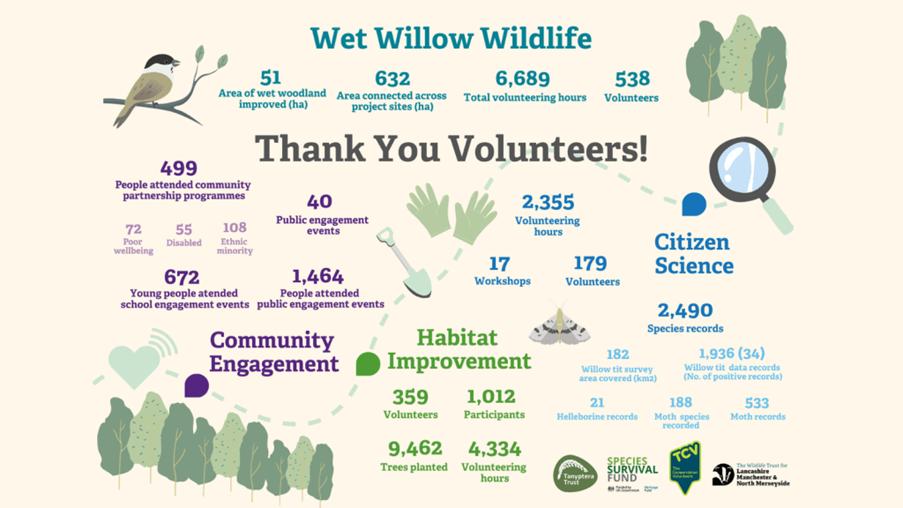
TCV’s Wet Willow Wildlife partnership project shows how this works in practice. By restoring and reconnecting wet woodland habitats across multiple sites in the North West, the project is creating corridors that allow species like the threatened willow tit to move, feed and breed more freely. Alongside this, volunteers are helping to improve habitat quality and map wildlife across the landscape, strengthening connections for both nature and people.
6. Support pollinators in simple, visible ways
Pollinators are a great focus for community biodiversity action because their impact is easy to see and understand.
Planting nectar-rich species that flower across the seasons helps ensure a continuous food source. Protecting existing flowering plants and reducing pesticide use also makes a significant difference.
These are practical steps that residents, schools and community groups can all get involved in, building awareness as well as impact.
7. Bring people into the process early
Successful biodiversity projects are built with people, not just for them.
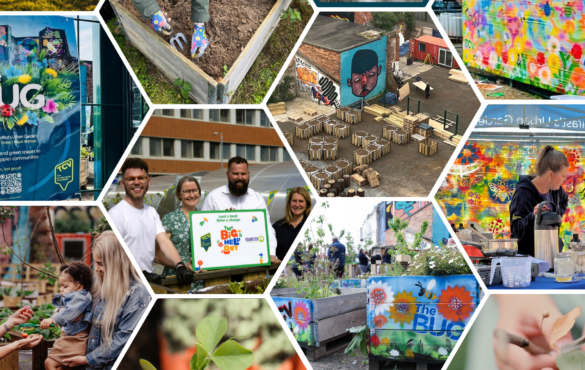
Inviting volunteers to shape and care for local spaces creates a sense of ownership that lasts well beyond the initial project. This might involve community workdays, school engagement or employee volunteering programmes that bring businesses into the heart of local action.
TCV’s Green Gym is a great example of how this can work. By combining conservation activity with health and wellbeing benefits, it supports both nature and the people taking part.
Making these opportunities inclusive and accessible is essential. Everyone should feel able to connect with nature, regardless of background or experience.
8. Make biodiversity part of everyday decisions
For councils in particular, one of the biggest opportunities is to embed biodiversity into everyday processes.
Planning decisions, land management, local strategies, and even annual team-building days all have the potential to shape the natural environment. When biodiversity is considered from the outset, it becomes easier to deliver consistent and meaningful improvements.
This is how local action supports national goals and creates long-term change. For organisations looking to embed biodiversity into wider sustainability plans, TCV’s work in corporate volunteering shows how environmental action and community benefit can go hand in hand.
9. Use practical guidance to build confidence
Many groups want to take action but are unsure where to start or how to do things well.
TCV’s Conservation Handbooks provide clear, practical guidance based on real experience. They cover a wide range of habitats and techniques, helping councils and community groups plan and deliver projects with confidence.
Having access to trusted, accessible information can make the difference between an idea and a successful, lasting project.
10. Be part of a wider community
One of the strengths of community conservation is the shared sense of purpose across the UK.
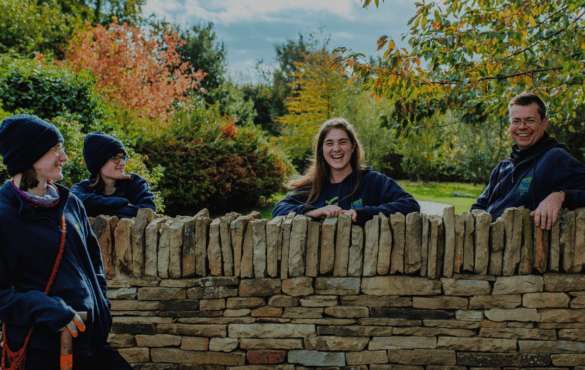
Through the TCV Community Network, groups can connect, share learning and support each other as their work develops. That sense of connection helps maintain momentum and ensures good ideas spread.
It also reinforces a bigger message. Local projects are not isolated. They are part of a growing movement working towards a healthier, more inclusive natural environment.
Why community biodiversity action matters
It is easy to think of biodiversity loss as something happening at a national or global scale, but the solutions are often local.
When people are actively involved in improving their environment, the benefits go both ways. Habitats are restored, but so are connections between people and place.
This is the thinking behind our Better Nature for All strategy. Not just increasing biodiversity, but making sure more people can experience, shape and benefit from it.
Stronger communities, healthier environments and greater access to nature all go hand in hand.
There is no single ‘best’ way to increase biodiversity in the UK. What matters is taking practical steps that fit your space and your community.
That might be planting trees, changing how land is managed or creating opportunities for people to get involved. Over time, those actions build into something much larger.
If you are ready to take the next step, TCV can help.
From planting through I Dig Trees and engaging teams through employee volunteering, to improving wellbeing with TCV’s Green Gym and supporting you through TCV’s Community Network and Conservation Handbooks, we bring people and nature together to create lasting change.
Keep up to date with the latest news and activities from The Conservation Volunteers by following us on Facebook, LinkedIn, Instagram, BlueSky and YouTube.
You can also sign up to receive TCV’s Greenzine e-newsletter for more ways to get involved.