There is something special about creating your own festive wreath.
Whether you celebrate Christmas, enjoy seasonal nature crafts or simply love marking the arrival of winter, making a wreath is a wonderful way to connect with the natural world.
Instead of buying a mass-produced wreath that has travelled miles, arrived wrapped in packaging and may contain plastic, artificial snow or tinsel, making your own from natural materials is a simple way to celebrate the season while connecting with nature on your doorstep.
Whether you’re crafting with family, gathering foliage with neighbours or creating a thoughtful handmade gift, a natural wreath showcases the colours, textures and beauty that winter has to offer. Best of all, when made from responsibly sourced materials and natural decorations, it can be entirely biodegradable.
In this guide, we’ll show you how to make a beautiful wreath using UK foliage, share tips for gathering materials responsibly and offer plenty of inspiration for creating something uniquely local, seasonal and sustainable. We’ll also share ways to connect with nature and get involved in seasonal activities in your local community.
What You’ll Need
One of the joys of making your own wreath is combining different colours, textures and scents. Before you begin, gather your tools and choose a variety of natural materials to create a wreath that’s full of character.
Wreath making tools
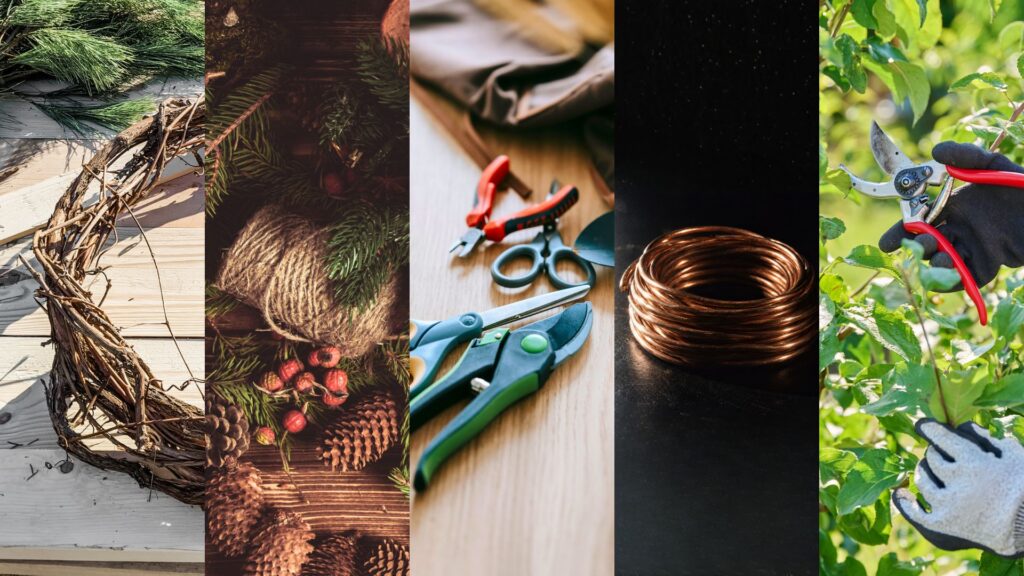
- A natural wreath ring, such as willow, or a reusable frame
- Florist’s / garden wire or biodegradable string
- Secateurs, good strong scissors, wire cutters
- Gardening gloves for handling prickly stems like holly
Natural materials
One of the pleasures of making a natural wreath is working with whatever winter has to offer. The best wreaths combine a variety of textures, shapes and colours. Look for a mix of evergreen foliage to form the base, colourful natural accents for interest, and a few finishing touches that reflect the character of your local area. Rather than relying on a single type of greenery, try combining several species to create depth, contrast and interest.
For a lush evergreen base
Holly, ivy, Scots pine, fir, spruce, cedar, juniper and box all work beautifully and can be mixed to create depth, texture and different shades of green.
For scent
Woody herbs such as rosemary, bay, lavender and thyme can add subtle fragrance while blending naturally into the wreath.
For seasonal colour
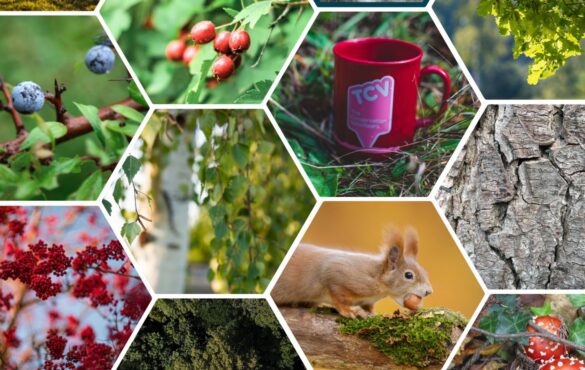
Dogwood stems bring striking red, yellow and orange tones, while holly berries, rose hips and hawthorn berries add classic festive colour.
For texture and natural character
Pine cones, teasel seed heads and variegated foliage help create contrast and visual interest, giving your wreath a more natural, layered appearance.
For a festive finishing touch
Dried orange and grapefruit slices add warm bursts of colour and a subtle seasonal feel without relying on plastic decorations.
For a woodland-inspired look
Moss can help create a fuller wreath and adds a beautiful woodland feel. If you choose to use it, only collect small amounts where you have permission to collect and avoid removing large patches from a single area.
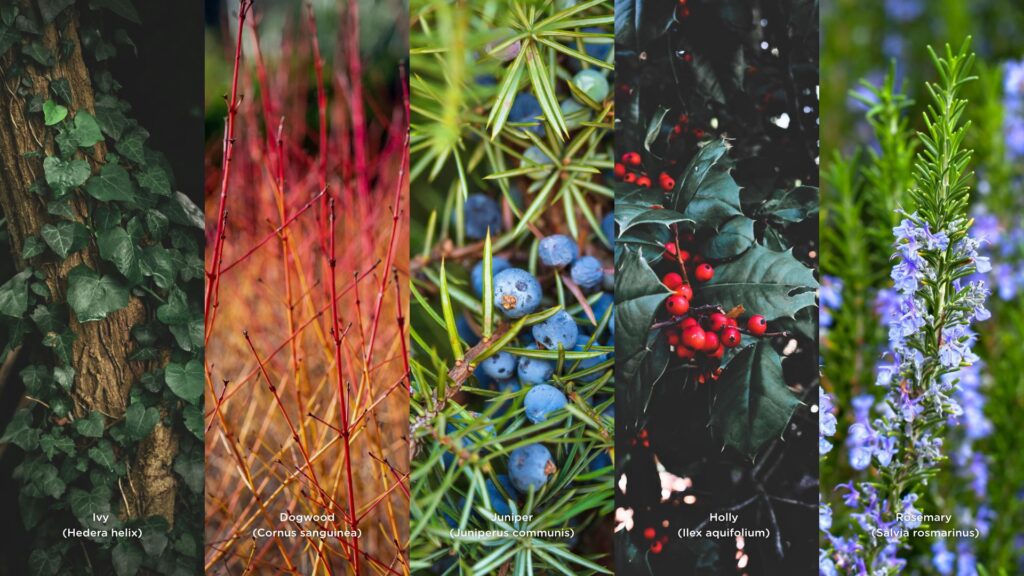
Don’t be afraid to experiment. Some of the most eye-catching wreaths combine deep green evergreens with colourful dogwood stems, variegated foliage and natural decorations such as pinecones or dried citrus slices. By mixing different textures and shades, you’ll create a wreath that feels far more natural and distinctive than anything bought from a shop or online.
Gather Responsibly and Make It a Community Activity
One of the best things about wreath-making is that it encourages us to look more closely at the nature on our doorstep. Once you spend the time to carefully look, you’ll often find more inspiration nearby than you might expect.
A few simple principles will help protect wildlife and ensure others can enjoy nature too:
- Only take what you need
- Gather small amounts from several plants rather than large quantities from one
- Before collecting any materials, always make sure you have the landowner’s permission and never collect from protected sites.
- Best of all, make good use of cuttings that were going to be discarded, such as hedge trimmings/tree pruning’s, etc
- Leave plenty of berries for birds and other wildlife – remember, these are their lifeline to get them through the winter
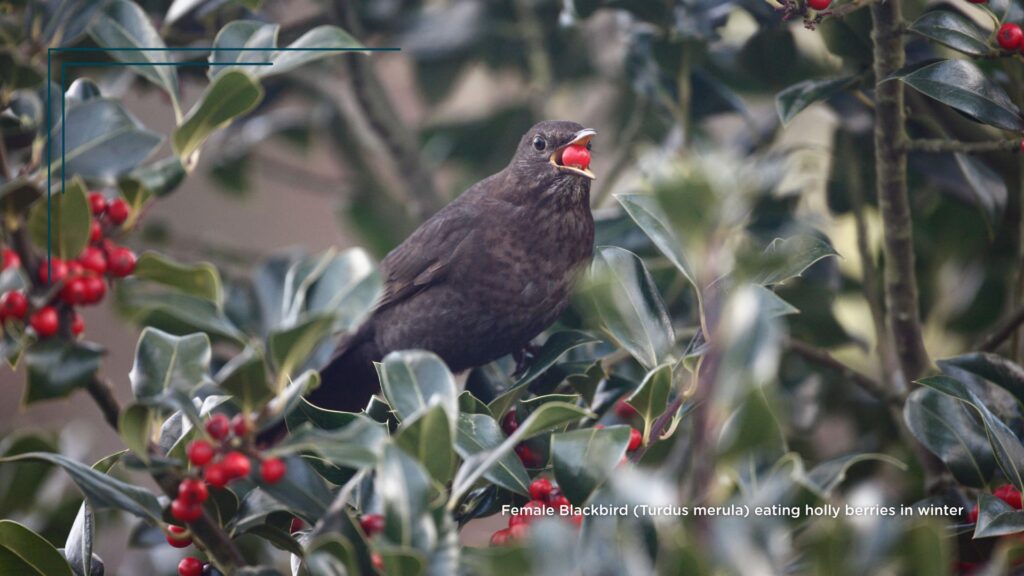
As with any outdoor activity, wear suitable clothing for the weather, take care when using tools and only collect materials that you can confidently identify.
Wreath-making is also a wonderful way to connect with the people around you, as well as nature. For children, gathering foliage can turn a winter walk into an adventure, encouraging them to spot different plants, notice seasonal changes and spend time outdoors together during the colder months.
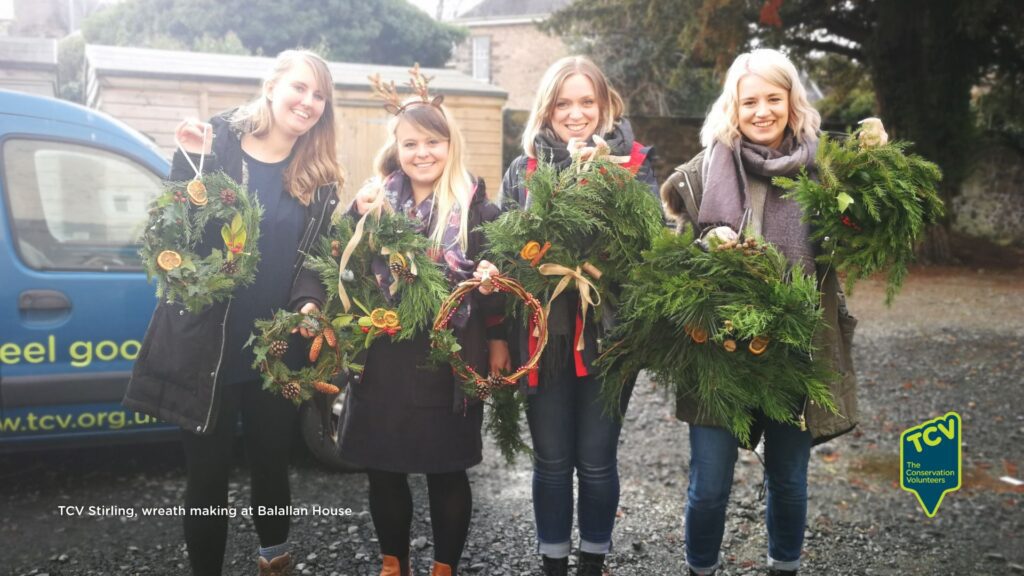
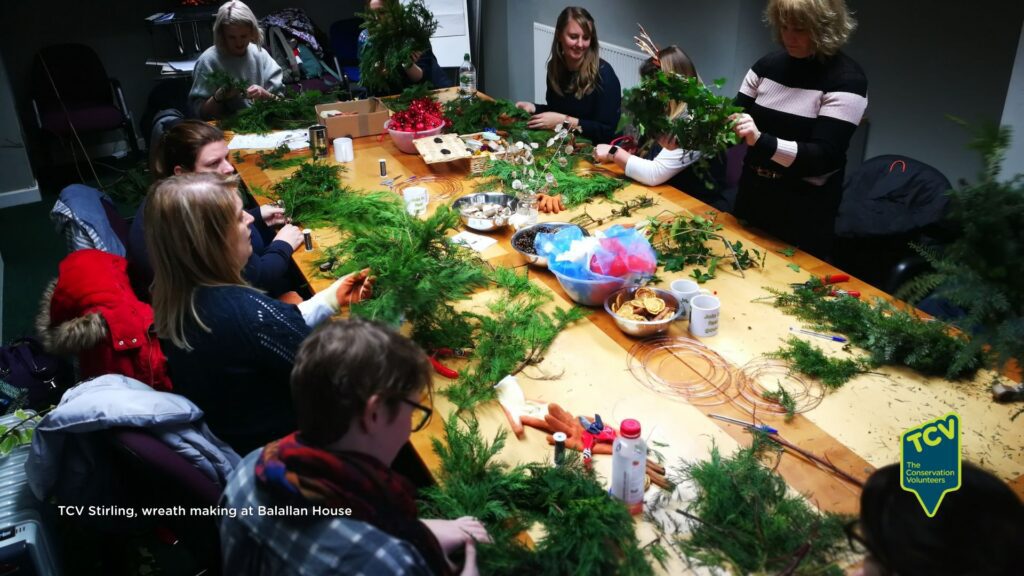
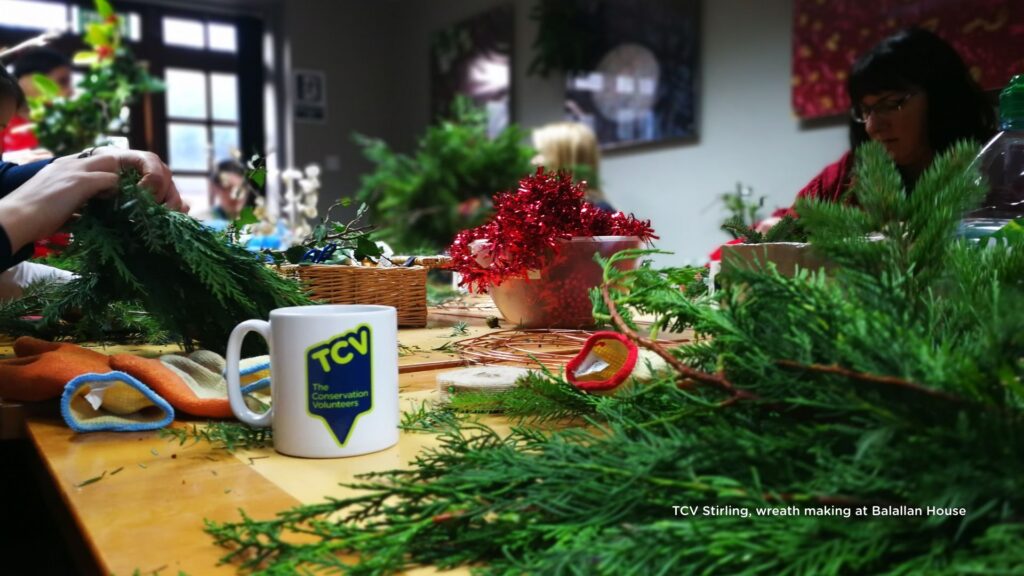
It’s equally rewarding as a shared activity with family, friends or neighbours. If everyone shared a few cuttings from their garden, you’ll enjoy a far greater variety of colours, textures and foliage than any one person could gather alone. Better still, invite them round and make the wreaths together. A festive afternoon of crafting, conversation and seasonal refreshments can quickly become a Christmas tradition in its own right.
How to Make a Natural Wreath
1. Prepare your base
Start with a natural wreath ring, such as wound willow, or a reusable wire frame. This can be used year after year, making it a more sustainable option than single-use alternatives.
2. Create small foliage bundles
Gather small bunches of evergreen foliage and bind the stems so they’re easy to work with.
3. Attach foliage around the frame
Position your first bundle on the frame and secure it with wire or natural string. Add the next bundle so that it overlaps the stems of the previous one, working your way around in the same direction and covering any string or wire as you go.
4. Build layers and texture
Mix different types of foliage as you go – this is what makes the wreath individual to you!
5. Add colour
Once the base is complete, weave in decorative elements such as dogwood stems, pine cones, rose hips, berries and dried citrus slices. Some thin cotton thread can be useful here.
6. Secure and finish
Check that everything is firmly attached. Add a loop of natural twine for hanging and make any final adjustments.
7. Save what you can for next year
Once it’s time to take down your wreath, keep your wire frame (if using) and florist’s wire. Reusing materials each year reduces waste and makes future wreath-making cheaper and easier.
Let Your Local Landscape Inspire You
The most memorable wreaths often reflect the places they come from.
Think about what’s available locally and let your wreath celebrate the character of your area. Gardeners may have access to colourful dogwood stems, evergreen herbs or interesting seed heads. Those living near woodlands might find inspiration in pinecones, ivy and moss.
If you live by the coast, consider incorporating materials collected responsibly during a beach clean, such as small pieces of driftwood, sea glass or discarded rope fragments. Not only can these create a distinctive local wreath, but they can also help remove litter from the shoreline.
The result is something that couldn’t have come from a shop shelf. It’s a wreath that tells a story about where you live.
How long does a natural wreath last?
Most natural wreaths will stay looking their best for around 2 to 4 weeks outdoors and 1 to 3 weeks indoors.
Tips for keeping your wreath fresh
- The cooler the conditions, the longer fresh foliage is likely to last.
- Hang it outdoors if possible
- Mist lightly with water during dry weather
- Keep indoor wreaths away from radiators and direct heat or sunlight
- Use freshly cut materials when making your wreath
- Remove any stems that begin to deteriorate – consider ‘topping up’ with fresh items
When the festive season is over, simply remove any wire or reusable elements and compost the natural materials.
Wreaths, Winter and Folklore
Evergreen plants have been part of winter traditions for centuries. Long before modern Christmas decorations became commonplace, holly, ivy and other greenery were brought indoors during the darkest months of the year, adding colour and life when much of the landscape lay dormant.
Many winter customs across Britain and Europe marked the turning of the seasons and the gradual return of longer days after the winter solstice. Because evergreens remained green throughout winter, they came to symbolise endurance, renewal and life’s resilience during the colder months.
The circular shape of a wreath is often associated with continuity and the cycle of the seasons, with no beginning and no end. Over time, wreaths became firmly associated with Christmas celebrations, particularly during the Victorian era when festive decorating traditions, including Christmas trees, grew in popularity across Britain.
Holly has long held a special place in British folklore, where it has been linked with protection, good fortune and winter celebrations. Ivy was often seen as a symbol of friendship and fidelity, and both plants continue to feature in festive decorations today. The traditional carol The Holly and the Ivy reflects the importance of these plants in British winter customs.
Whether you’re continuing a family tradition or creating your very first wreath, you’re taking part in a seasonal custom that reflects our longstanding connection with the natural world.
Frequently Asked Questions Regarding Festive Wreaths
Can a natural wreath be composted?
Yes. Natural wreath materials can be composted once any wire, ribbon and non-biodegradable decorations have been removed and stored for reuse next year. Longer stems can be cut into smaller pieces to help speed up the composting process. Make sure your wreath actually is natural before composting (not plastic) and avoid composting any materials covered in glue and anything that has been sprayed with glitter or fake snow.
What does a wreath symbolise at Christmas?
Wreaths have a long history and their meaning has evolved over time. Evergreen plants were used in winter celebrations long before modern Christmas traditions became established, valued for bringing colour and life into homes during the darkest months of the year.
The circular shape of a wreath is often associated with continuity, renewal and the cycle of the seasons, while evergreen foliage has long symbolised endurance and resilience through winter.
Over time, wreaths also became part of Christian Christmas traditions. Some Christians view the circular shape as a symbol of eternity, while evergreen foliage can represent everlasting life.
Today, for many people, a Christmas wreath is simply a welcoming festive decoration that celebrates the beauty of the season and the natural world.
When should a Christmas wreath be taken down?
Traditionally, Christmas decorations are taken down on Twelfth Night, which marks the end of the twelve days of Christmas. Depending on how the twelve days are counted, Twelfth Night falls on either 5 or 6 January, which is why you’ll sometimes see different dates given.
However, there’s no strict rule. Many people keep natural wreaths up for as long as they remain fresh and attractive, particularly if they continue to add colour and interest through the winter months.
Once the festive season is over, remove any wire, twine or reusable elements and store them for next year. The remaining natural materials can usually be composted, allowing your wreath to return to the natural cycle from which it came.
What greenery lasts the longest in a wreath?
Fir, cedar and ivy are all known for retaining their appearance well throughout the festive season. Among conifers, fir is often considered one of the best choices for wreath-making because it combines rich colour with excellent needle retention.
How do I make an eco-friendly Christmas wreath?
Use locally sourced natural materials, avoid plastic decorations, reuse your wire frame each year and compost the natural elements once Christmas is over. Gathering responsibly and only taking what you need helps minimise impacts on local wildlife and habitats.
A quick note on safety
If you’re gathering materials outdoors, make sure you can confidently identify any plants you intend to use and avoid anything you suspect may be toxic or cause skin irritation. Wear gloves when handling holly, thorny stems or prickly foliage, and take care when using secateurs or florist’s wire. Children should always be supervised when collecting materials and making wreaths.
If foraging away from your own garden, always seek the landowner’s permission and be mindful of uneven ground, slippery surfaces and winter weather conditions.
Celebrate The Festive Season the Natural Way
Creating a natural wreath is about much more than festive decorating. It’s a chance to slow down, spend time outdoors and notice the colours, textures and wildlife that make winter special.
Whether you’re gathering foliage with children, swapping cuttings with neighbours or crafting a handmade gift for someone you care about, wreath-making is a simple way to connect with nature during the darker months of the year.
As TCV volunteer Caroline explains:
I have benefitted from meeting a new group of people and learning some new ideas about planting and looking after outside spaces. More unexpectedly I have joined in making a bird box, a Christmas wreath and taken part in surveys of local birds and flower life. It’s fun, and the physical work involved in some of the tasks feels rewarding. I also feel more comfortable with litter-picking out and about, seeing it as a necessary thing to do, not an odd pastime!
If you’d like to make a wreath alongside others, or discover more ways to connect with nature in your local area, visit our Find TCV page and see what’s happening near you.
Because when people come together to celebrate and care for nature, the benefits last far beyond the festive season.
Keep up to date with the latest news and activities from The Conservation Volunteers by following us on Facebook, LinkedIn, Instagram, BlueSky and YouTube.
You can also sign up to receive TCV’s Greenzine e-newsletter for more ways to get involved.
Visit www.tcv.org.uk and add your postcode to explore the volunteering opportunities available in your area.